




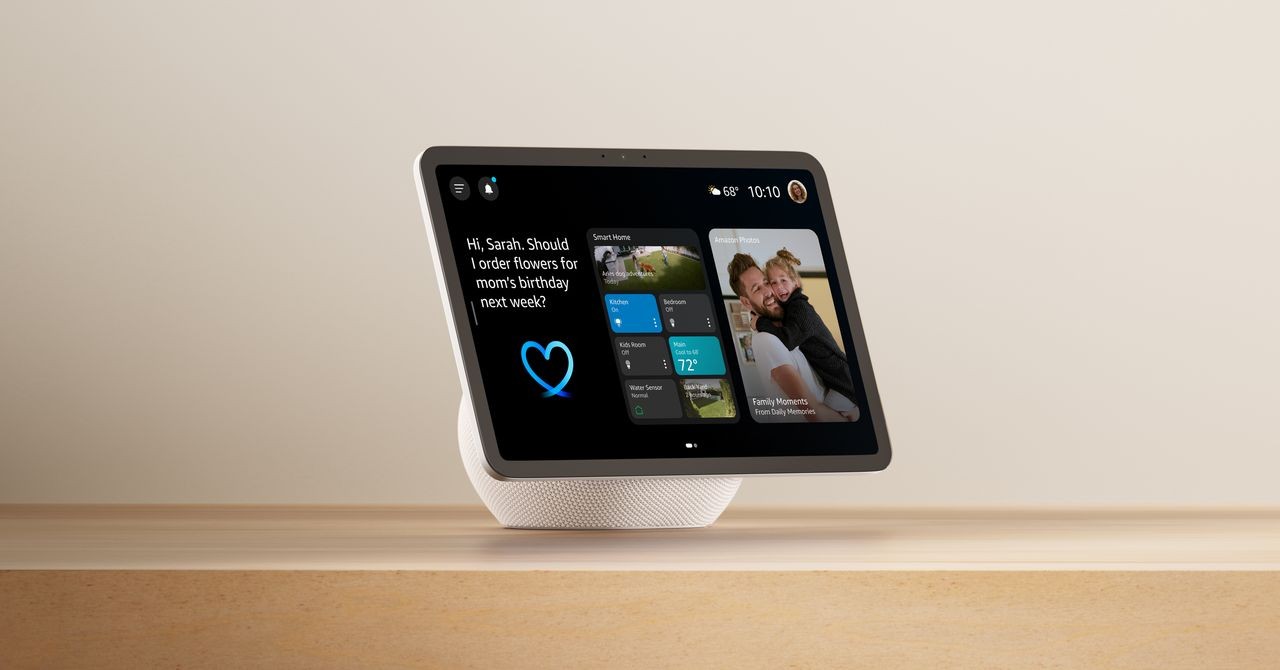
Amazon has begun rolling out its new AI-powered Alexa+ voice assistant to all Prime members, whether they requested access or not. The upgrade, previously limited to Early Access users, introduces a more conversational and chatbot-like experience – and a new default voice many are calling “sassy.” Here’s what you need to know about Alexa+, how it differs from the original Alexa, and how to revert if you prefer the older version.
The Shift to AI-Powered Assistance
Alexa+ represents Amazon’s push to compete directly with AI assistants like ChatGPT. The new version aims for more natural, human-like interactions, going beyond simple commands to engage in more complex conversations. On Echo Show devices, this manifests as a text-based chat alongside the voice response, similar to messaging apps.
Key changes include :
– A noticeably different default voice, described by some as sounding like a “teenager.”
– Broader availability: if you have Prime, Alexa+ is likely already on your devices.
– Cross-platform access: now available on Alexa.com for browser use, integrating with smart home devices and apps.
While currently free for Prime members, Amazon plans to charge $20 per month for non-Prime users once the full version launches.
The Forced Upgrade Controversy
The rollout hasn’t been without friction. Some users report Amazon forcibly upgrading their devices even after repeatedly declining the update. The company insists notifications were sent via email, app alerts, and device prompts, but the experience for some has been less voluntary.
“Alexa+ is significantly more capable… we’re working to make it available to as many customers as possible,” said an Amazon spokesperson.
This aggressive push highlights Amazon’s strategy to quickly adopt AI across its ecosystem, even at the expense of user preference. The company is betting that the improved capabilities will win over users in the long run.
How to Revert to Original Alexa
If you dislike the new experience, switching back is straightforward: simply say, “Alexa, exit Alexa Plus.” This will restore the original voice and interaction style. However, some users have reported subtle changes even in the reverted voice (Feminine 2), suggesting Amazon may have quietly updated it over time.
Other considerations :
– Reverting will disable the chatbot-style text chats on Echo Show devices.
– Amazon doesn’t specify what features are lost during the downgrade, and related settings are buried in the Alexa app.
– The original Alexa still displays ads, but the new version shows them during active question asking.
Alexa vs. Alexa+: What’s Really Different?
Beyond the voice, Alexa+ introduces changes to how information is displayed. For example, the weather report becomes a limited text-based chat instead of a full-screen display with detailed hourly forecasts. The new assistant also prioritizes conversational flow over efficient task completion, which some users find frustrating.
The core capabilities remain largely unchanged, but the experience feels different. While Alexa+ isn’t yet as capable as competitors like ChatGPT, Amazon is working to bridge that gap. The full, paid version of Alexa+ is still in development, with no firm release date.
In conclusion, Amazon’s push for Alexa+ is a clear attempt to dominate the AI assistant space. Whether this forced upgrade improves the overall experience remains to be seen, but users now have the power to revert if they prefer the original Alexa – at least for now.