



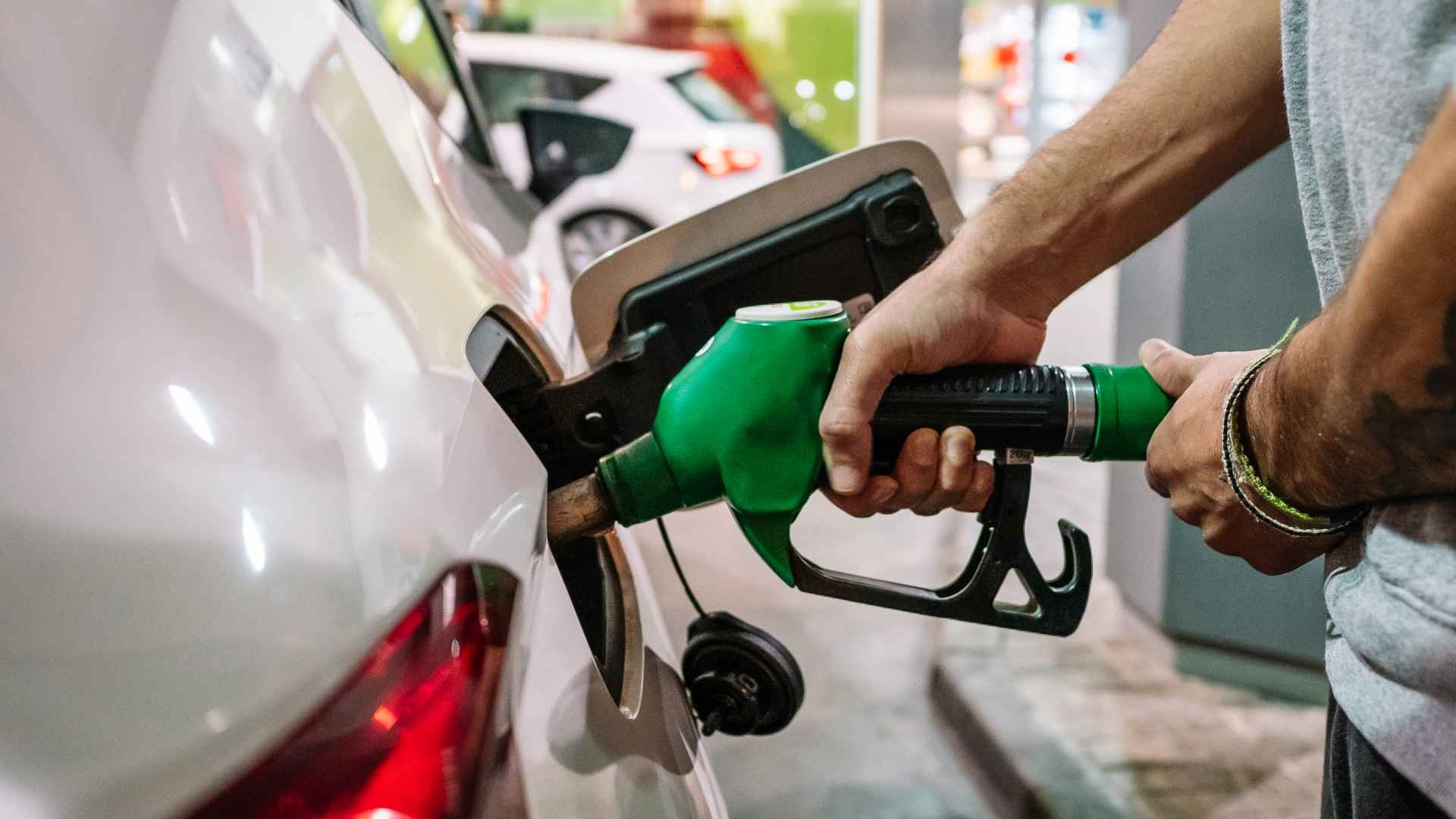
A glimmer of hope for cash-strapped Americans heading into the holiday season: gas prices are predicted to fall significantly in the coming months. Patrick De Haan, head of petroleum analysis at GasBuddy, suggests a drop of $0.10 to $0.30 per gallon, driven by several factors converging at an opportune time.
The Factors Behind the Forecast
De Haan points to three primary forces creating this potential reprieve for drivers:
- OPEC+ Production Boost: In October, the OPEC+ alliance surprised many by agreeing to increase oil production. This move comes amidst typical winter seasonal oversupply in the Northern Hemisphere, meaning increased production could lead to even lower prices than usual during this period.
-
Switch to Winter Blend Fuel: As temperatures dip, refineries shift to producing “winter-blend” fuel. This blend contains a higher percentage of butane, which is generally less expensive to produce. This change coincides with naturally lower demand for gasoline as summer travel season winds down and people drive less in winter months.
-
Federal Reserve’s Interest Rate Cut: While the link between interest rates and gas prices is complex, De Haan believes the October Federal Reserve rate cut could have a positive effect. Lower interest rates might signal a softening economy, potentially reducing demand for oil. Additionally, they reduce production costs for oil companies, which could translate into savings for consumers at the pump.
Regional Variations Expected
While these factors paint an optimistic picture nationally, De Haan anticipates even more dramatic drops in certain regions:
- West Coast and Northeast: These areas typically face higher gas prices due to supply issues (refinery shutdowns on the West Coast) and a heavier reliance on imported oil in the Northeast. With pre-existing vulnerabilities, these regions stand to benefit most from an increase in supply and any corresponding decrease in price.
Potential Speedbumps on the Road Ahead
While these positive factors dominate the outlook, unexpected events could still send gas prices soaring:
- Weather Disruptions: Hurricanes or other severe weather events can cripple refineries, damage fuel pipelines, or disrupt production and delivery, quickly tightening supply and driving up prices.
- Unexpected Demand Surge: A stronger-than-expected economy, a surge in travel, or any upswing in consumer and business activity could outpace available supply, pushing prices upward.
- Geopolitical Tensions: Government tariffs on oil imports or global conflicts can quickly disrupt supply chains and trigger price hikes.
Refineries: A Constant Wildcard
Even temporary disruptions at refineries due to outages, maintenance, or unforeseen circumstances can significantly impact gas prices.
In conclusion, several factors point towards a welcome drop in gas prices this winter, particularly due to increased production, seasonal fuel shifts, and potentially lower interest rates. However, the volatile nature of global energy markets means that unforeseen events could easily derail this positive forecast.