




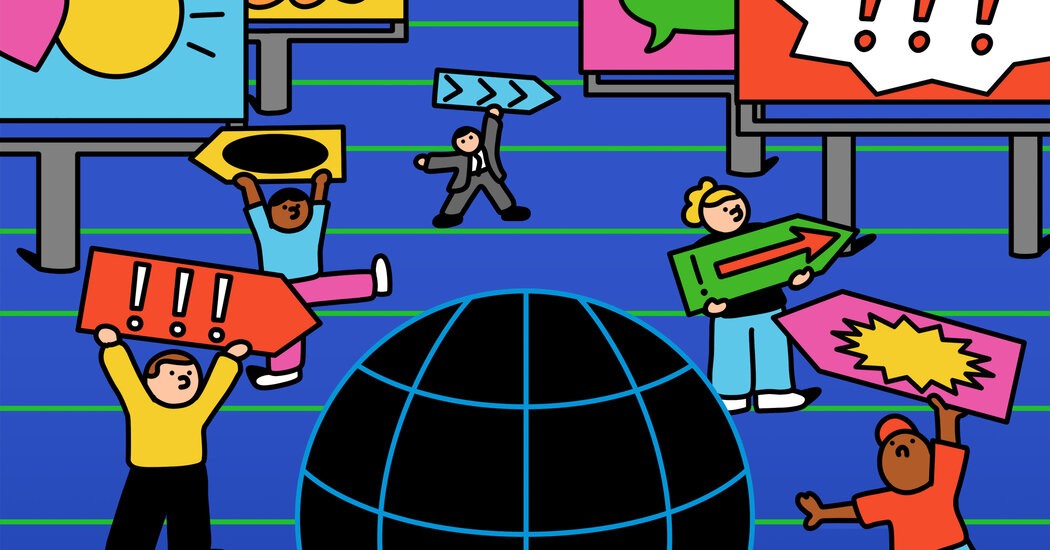
The rise of artificial intelligence chatbots like ChatGPT is forcing a fundamental shift in how businesses approach marketing. No longer is it enough to simply target human consumers; companies must now actively influence the information these AI models access and relay. This realization is sweeping across corporate America, as brands discover that chatbots often lack accurate or up-to-date knowledge about their offerings.
The Problem: AI’s Limited Knowledge Base
Athenahealth CMO Stacy Simpson experienced this firsthand in late 2024. When querying AI chatbots about her company, she found they often provided outdated or incomplete information, sometimes even failing to recognize Athenahealth as a viable option. This stems from the fact that chatbots rely on the data they are trained on, which can quickly become stale or skewed by unreliable sources.
Why This Matters: The New Gatekeepers of Information
The stakes are high. Chatbots are increasingly used by consumers as research tools, and their responses directly influence purchasing decisions. As Brian Stempeck, co-founder of AI start-up Evertune, puts it: “There is a new influencer you need to reach, and it’s this AI model.”
This isn’t just a minor adjustment to marketing strategy. The digital landscape has always been in flux—from the early days of banner ads to the dominance of social media—but the speed and impact of this shift are unprecedented. Digital advertising spending has already surpassed traditional media, reaching $350 billion in the U.S. last year, according to eMarketer.
The Future of Marketing: Winning Over the Robots
The challenge for marketers is clear: they must actively cultivate the AI’s perception of their brand. This means ensuring that chatbots have access to accurate, current information—a task that requires ongoing monitoring, data optimization, and possibly direct engagement with AI developers. The brands that fail to adapt risk being overlooked by a growing segment of the consumer market that relies on these AI-driven recommendations.
In short, the rules of marketing have changed. The next frontier isn’t about reaching more humans—it’s about teaching the machines what to say.