




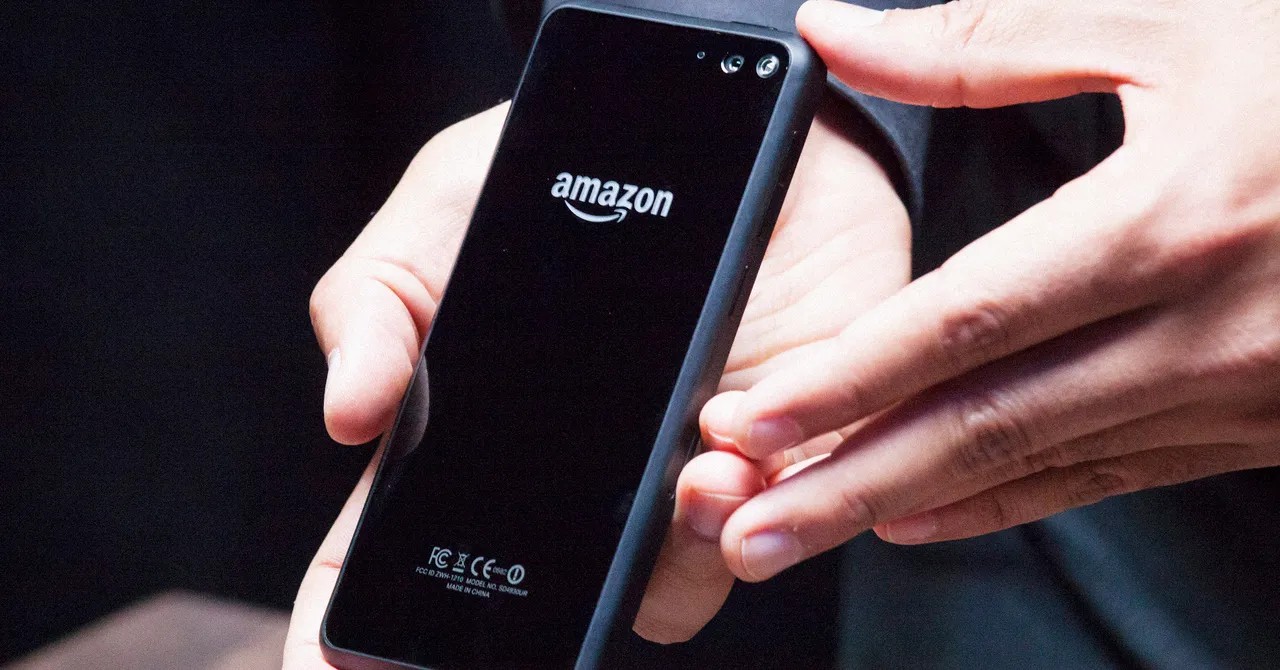
After a decade-long hiatus since the ill-fated Fire Phone, Amazon is reportedly developing a new smartphone, codenamed “Transformer.” The device will heavily integrate Amazon’s Alexa+ AI assistant and shopping features, but experts and industry analysts question whether it can compete in a market dominated by Apple and Samsung. The project’s viability remains uncertain, with no confirmed launch date or pricing details.
The Shadow of the Fire Phone
Amazon’s previous foray into smartphones ended in a swift failure. The 2014 Fire Phone was plagued by a limited app ecosystem and underwhelming sales. Its gimmicky 3D display and “Firefly” feature, which allowed instant purchasing via camera scanning, failed to resonate with consumers. The new Transformer phone is reportedly considering an Android-based operating system, potentially without traditional app stores, leaning instead on an AI-driven interface.
This approach isn’t entirely new; other companies, like Deutsche Telekom and Nothing, are exploring generative UIs that adapt dynamically based on voice input. However, Amazon’s history suggests its primary focus will remain on commerce integration, raising concerns about user privacy and data exploitation.
AI and the Future of Mobile Interfaces
The Transformer project aligns with broader trends in AI-powered mobile experiences. Companies like Google and OpenAI are advancing “agentic” AI assistants capable of automating tasks on users’ behalf. Amazon’s Alexa+ could leverage this technology to create a more immersive, personalized shopping experience.
Yet, the market is saturated with AI features from established players. Experts argue that Amazon’s offering will struggle to differentiate itself, particularly given its reputation for aggressive data collection and privacy missteps.
Privacy Concerns and Amazon’s Track Record
Amazon’s history of privacy blunders casts a long shadow over the Transformer project. Investigations have revealed data protection failures, suburban surveillance via Ring cameras, and the use of Alexa voice transcripts for targeted advertising. Researchers warn that an Amazon smartphone would amplify these harms, providing the company with unprecedented access to user conversations and behaviors.
Amazon’s patents, such as one allowing for health-related product recommendations based on voice analysis, demonstrate its willingness to exploit personal data for commercial gain. This raises questions about whether consumers will accept such tradeoffs for convenience or price.
Market Realities and the Role of Panos Panay
Industry analyst Francisco Jeronimo argues that Amazon’s smartphone entry is ill-timed, citing supply-chain issues, economic headwinds, and the dominance of Apple and Samsung. He believes Amazon’s best bet is a companion device or wearable that prioritizes AI control over hardware competition.
The success of the Transformer project may hinge on Panos Panay, the former Microsoft Surface executive brought in to revitalize Amazon’s hardware division. His ability to generate excitement and brand loyalty will be crucial, but even he faces an uphill battle against established competitors and consumer skepticism.
In conclusion, while Amazon’s second attempt at a smartphone reflects broader trends in AI and mobile technology, the project faces significant challenges. Its success will depend on overcoming privacy concerns, differentiating itself in a crowded market, and convincing consumers that its vision for the future of mobile computing is compelling enough to overcome its troubled past.