




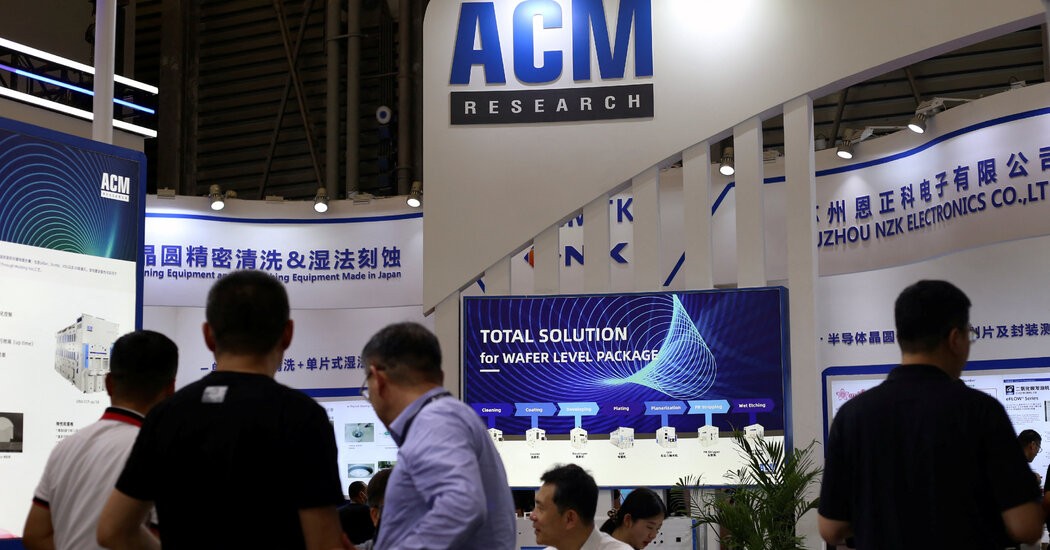
U.S. lawmakers are pressing Intel to explain its potential use of semiconductor manufacturing tools from ACM Research, a Chinese company blacklisted by the U.S. government. The concerns center around national security risks and whether taxpayer money, invested in Intel, could inadvertently support a foreign adversary.
Congressional Inquiry
A bipartisan group of six senators—including Elizabeth Warren (D-MA) and Tom Cotton (R-AR)—sent a letter to Intel CEO Lip-Bu Tan this week demanding answers. The lawmakers specifically question whether Intel is testing or using equipment from ACM Research, which manufactures tools crucial to chip production. They have requested a response by March 20, seeking details on safeguards protecting Intel’s processes and assurances that U.S. funds are not flowing to China.
The Stakes: Taxpayer Investment and National Security
This scrutiny comes as Intel receives significant public funding. The Trump administration invested $8.9 billion in the company last year, acquiring a 10% stake—one of the largest government investments in a private business since the 2008 financial crisis. Lawmakers argue that reliance on blacklisted Chinese technology could directly undermine U.S. semiconductor leadership and compromise national security.
The situation is further complicated by previous concerns raised about CEO Tan’s ties to China, making this a sensitive issue for both the company and the government. This isn’t just about business; it’s about how the U.S. balances economic interests with geopolitical realities.
What’s at Risk?
ACM Research’s tools are used in a critical step of chip manufacturing: removing material from silicon wafers. If compromised, these processes could be vulnerable to espionage or sabotage. Lawmakers want to know how Intel plans to prevent that risk, especially given the substantial U.S. investment.
The core question is whether Intel can reconcile its business needs with the growing pressure to decouple from China in strategic industries.
Intel has not yet publicly responded to the letter. The company faces growing pressure to demonstrate its commitment to U.S. national security interests as it seeks to regain its dominance in the semiconductor market.