



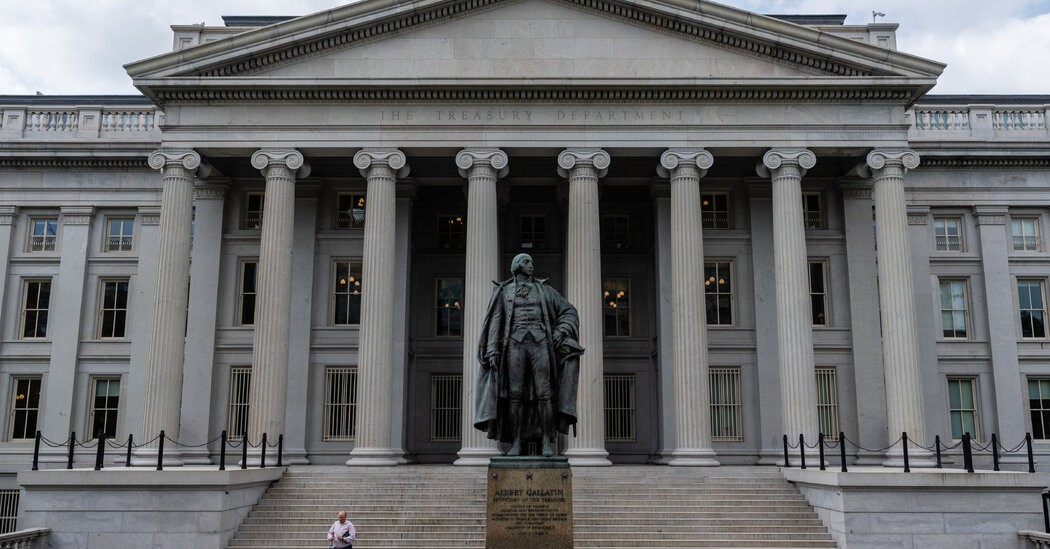
Investors in the restructured U.S. version of TikTok are obligated to remit a $10 billion fee to the U.S. Treasury, marking an exceptional instance of direct federal involvement in a private corporate transaction. This payment reflects a novel approach by the Trump administration, effectively monetizing its role in brokering the deal amid national security concerns.
The fee is structured as a transaction levy, with approximately $2.5 billion already paid upon deal completion in January. Remaining installments are scheduled for future payments, according to sources familiar with the arrangement. Key investors include Oracle, MGX (an Emirati firm), and Silver Lake, each holding roughly 15% equity in the U.S. TikTok entity.
The context behind this is crucial: the deal was forged to resolve years of legal and political uncertainty surrounding TikTok’s ownership by the Chinese company ByteDance. Bipartisan anxieties over potential national security risks—specifically data access and influence—fueled scrutiny and ultimately forced a restructuring.
The White House, under President Trump, took an unusually active hand in the process. Vice President JD Vance led the negotiations, and Trump himself publicly referenced a “tremendous fee” for facilitating the deal, framing it as a direct benefit to the U.S. government.
This intervention sets a precedent for future high-stakes corporate transactions involving perceived national security implications. The $10 billion fee effectively establishes a new cost of doing business for foreign-owned companies seeking to operate in the U.S. market under heightened scrutiny. The Treasury and Mr. Vance’s office declined to provide further comment.
This deal is not just about TikTok; it is about the U.S. government asserting a financial stake in the resolution of geopolitical tech conflicts. It remains to be seen if this approach will become commonplace or if it was a singular move under the Trump administration.