



For over six days, nearly 90 million Iranians have been cut off from the global internet, following a similar shutdown in January and weeks of limited access during violent suppression of protests. This blackout is not just another instance of digital repression; it’s now compounded by escalating regional tensions between Iran, the US, and Israel, creating a unique crisis in connectivity.
The Dual Reality: Intranet vs. Global Access
The Iranian regime has strategically maintained access to its domestic intranet, the National Information Network (NIN), allowing daily life to continue within controlled boundaries. While many Iranians have adapted, using VPNs and proxies to bypass restrictions during partial outages, these tools are useless during total shutdowns. The reality is stark: only government officials, the military, and the elite retain full access to the outside internet, supplemented by a select few with Starlink terminals.
The Impact of Escalating Conflict
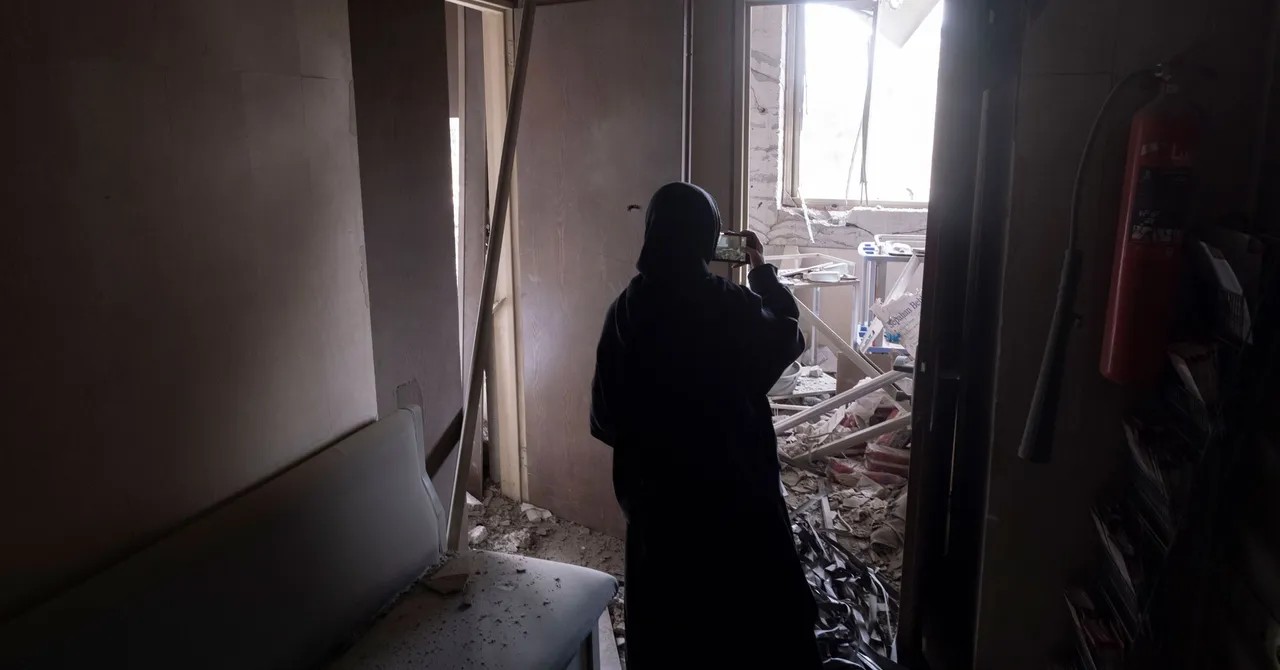
The current blackout began immediately after reported strikes killed Supreme Leader Ali Khamenei on February 28th. Monitoring firms like Kentik report a 99% drop in outbound traffic, with “whitelisting” allowing limited connectivity for favored individuals or technical necessities. Even this sliver of access is vulnerable; air strikes on infrastructure have caused further outages, blurring the line between censorship and wartime disruption. The shutdown conceals the true state of connectivity, making damage assessment impossible.
A Decade of Digital Suppression
Over the past decade, Iran has systematically built the infrastructure for digital control, including laws and surveillance systems. Blackouts in 2019, 2022, 2025, and now twice this year demonstrate increasingly sophisticated blocking techniques. Each shutdown silences dissent, isolates citizens from accurate news, and prevents evidence of abuses from reaching the outside world.
The Rise of the NIN: A Controlled Ecosystem
To mitigate the impact of global blackouts, Iran has expanded the NIN and its internal apps. State-backed propaganda is now actively promoted within the intranet, with the government even issuing warnings against using the global internet. Experts describe the NIN as an “authoritarian network design” that provides tiered access: elites, tech companies, and universities retain global connectivity while the general population is excluded.
Regime Narratives in Wartime
Analysis of Telegram channels reveals a shift in strategy. Rather than simply blocking information, the regime is now actively shaping narratives, even in English, to influence perceptions of the conflict. Factnameh, an Iranian fact-checking organization, found that regime-linked channels exaggerated reports of retaliatory strikes while suppressing early rumors about Khamenei’s death. This suggests a deliberate effort to control the wartime information environment.
Circumvention and the Role of US Funding
For most Iranians, the global internet remains inaccessible. Civil society groups and activists have resorted to smuggling Starlink systems and leaking evidence of violence. One such tool is Conduit, a peer-to-peer platform developed by Psiphon with funding from the US State Department and Open Tech Fund (OTF). While funding cuts under the Trump administration nearly crippled the project, recent support from Senators Lindsey Graham and James Lankford has kept it operational.
The Adaptability of Resistance
Despite the challenges, Psiphon reported over 9 million Iranians using its network in January and 21 million in February, demonstrating the resilience of circumvention efforts. The ongoing blackout underscores the need for adaptable tools that can withstand government suppression.
In conclusion, Iran’s internet blackout is not just a temporary disruption; it’s a calculated strategy to consolidate control during a period of escalating regional conflict. The regime’s reliance on its domestic intranet and active manipulation of information flows demonstrate a commitment to digital sovereignty, even at the cost of isolating its citizens.