


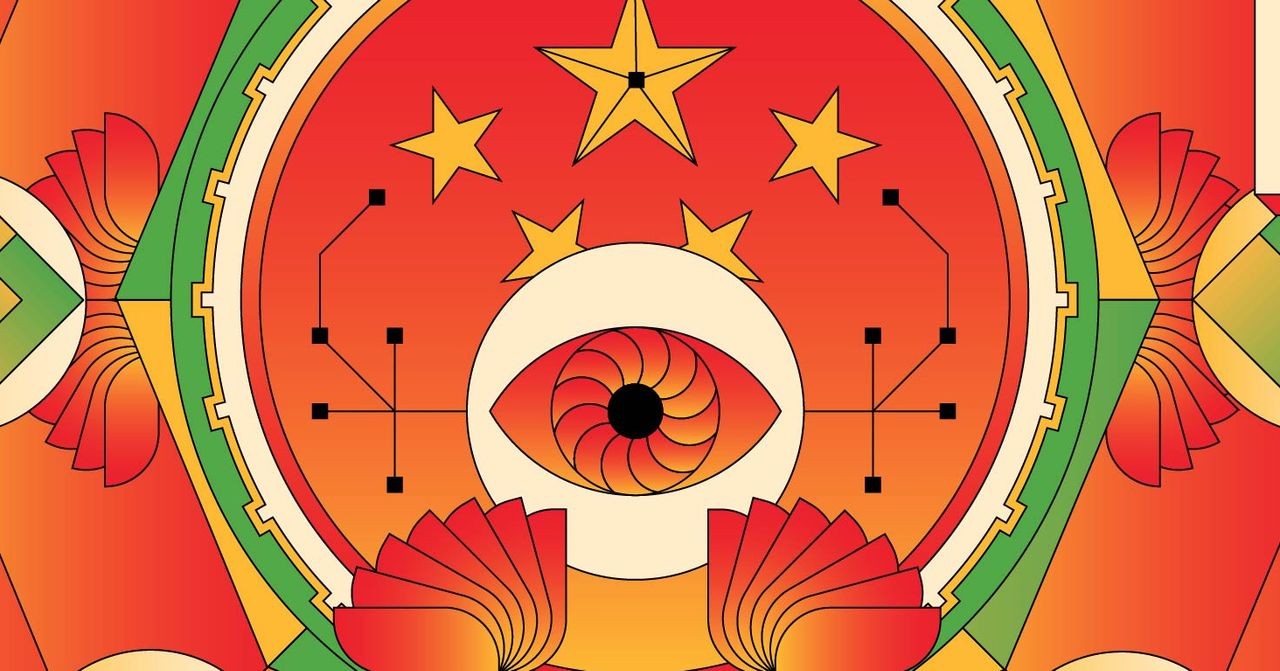
China is experiencing a rapid expansion in artificial intelligence, driven by thousands of companies – all tracked in a publicly accessible government registry. While the West debates broad AI regulations, China employs a targeted, iterative approach, requiring developers to register tools with “public opinion properties” and demonstrate adherence to 31 risk categories, including avoiding discrimination and upholding “core socialist values.” This system has inadvertently created the most detailed map of any nation’s AI development.
The Registry: A Unique Insight
The Cyberspace Administration of China (CAC) mandates registration for any AI tool with potential social impact. Applicants submit filings to local CAC branches, which are then reviewed centrally before public listing. This contrasts sharply with the US, which lacks a comparable centralized system, and the EU’s comprehensive AI Act, which is still under development.
The CAC’s updates, compiled by researchers at Trivium China, reveal a diverse landscape. From AI managing homestays to optimizing state power grids, the registry covers a wide spectrum of applications.
Regional Clusters & State Involvement
The majority (80%) of China’s generative AI registrations cluster in tech hubs: Beijing, Shenzhen, Shanghai, and Hangzhou. Each city offers unique advantages: Beijing benefits from academic and political resources, Shenzhen from hardware supply chains, Shanghai from commercial ties, and Hangzhou from e-commerce powerhouses like Alibaba.
However, innovation extends beyond these centers. Chongqing is emerging as a logistics and manufacturing AI node, while Hefei (“China’s speech valley”) houses leading speech-recognition firms like iFlyTek. Even less prominent regions like Guizhou (“Big Data Valley”) and Inner Mongolia are integrating AI into industries like mining and agriculture.
State-linked entities account for 22% of filings, with partnerships between state-owned enterprises and Big Tech common. PetroChina, for example, collaborates with Huawei and iFlyTek on oil and gas applications, while State Grid utilizes DeepSeek for power grid optimization. Foreign firms represent just 0.5% of registrations, with Ikea and Yum China (KFC) among the few participants.
Competition & Consolidation
China’s AI competition is intense, unlike the US market dominated by OpenAI, Anthropic, and Google. Over half the listings focus on cross-sector technologies, from foundational models to multimedia tools. This reflects a desire to avoid dependence on competitors.
However, the market is consolidating. Six major players – Moonshot, Minimax, Zhipu, Baichuan, 0.1AI, and Stepfun – are all backed by Alibaba or Tencent. ByteDance’s Doubao has surpassed DeepSeek in popularity, though its dominance remains uncertain.
Niche Innovators: Real-World Applications
Beyond the headline-grabbing giants, startups are rapidly deploying AI in specialized fields.
- Squirrel AI: Pivoting from banned tutoring, Squirrel AI now licenses AI-powered learning platforms to franchisees, serving 1.2 million students. Its founder envisions a future where teachers act as “data analysts” rather than knowledge providers.
- AI Kanshe: This startup analyzes health through images of tongues, palms, and faces, combining traditional Chinese medicine with machine vision. It serves both consumers and medical professionals.
- Zhongtan Puhui Cloud Technology: A former Wall Street quant trader founded this company to automate carbon accounting for industries like China Minmetals Group and DHL, reducing audit times by 90%.
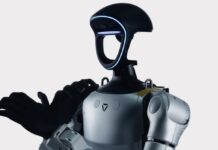
- UBtech: Inspired by Honda’s Asimo, UBtech manufactures robots for factories, schools, healthcare, and homes. Its Walker S series is used by automakers like BYD and Zeekr.
- XVerse: Founded by a former Tencent VP, XVerse builds immersive virtual worlds powered by AI, launching the Saylo app with 20 million users, turning chat conversations into AI-driven stories.
In conclusion, China’s AI boom is not only massive but also uniquely transparent, thanks to the government’s registration system. This ecosystem, driven by both state and private actors, is rapidly reshaping industries, from education to healthcare to manufacturing, while raising questions about data privacy, ethical oversight, and long-term strategic control.