



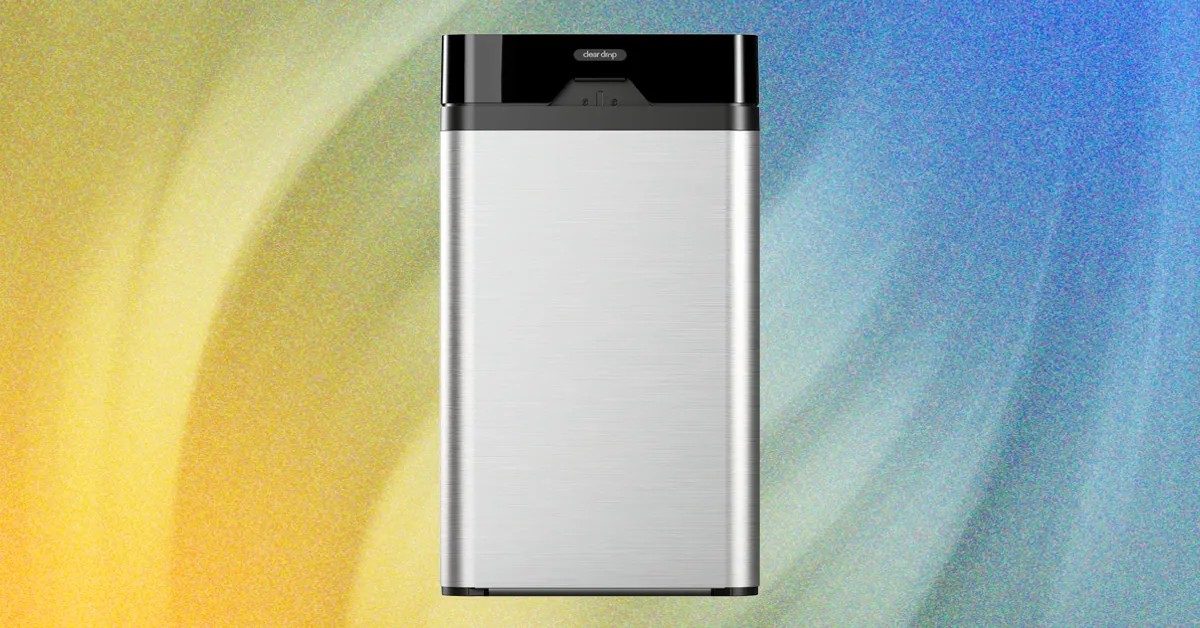
The Clear Drop Soft Plastic Compactor (SPC) is a unique, if impractical, device designed to tackle the growing problem of soft plastic waste in homes. Unlike traditional recycling systems, which often reject these materials, the SPC preprocesses plastic film – bubble wrap, Amazon mailers, and freezer bags – compacting it into recyclable blocks. While innovative, the $2,000 upfront cost plus a $49 monthly subscription makes it inaccessible for most consumers.
The Mechanics of Home Compaction
The SPC resembles a stainless steel trash can with a black lid, operating much like a paper shredder. It compresses up to 3 pounds of plastic into a shoebox-sized block, then ships it to a recycling facility. Clear Drop founder Ivan Arbouzov envisions the machine appealing to highly motivated sustainability advocates frustrated by the difficulty of dealing with soft plastics. The device itself is unobtrusive, taking up about 2 square feet of space and emitting minimal noise during compaction.
The Economic Reality
The biggest obstacle is cost: $799 upfront, followed by a $49 monthly fee for mailers. The unit requires proprietary mailers, costing about $15 each, adding to the long-term expense. This pricing structure positions the SPC as a niche product, not a mainstream solution.
The Recycling Process: From Home to Facility
The SPC aims to streamline recycling by delivering pre-compacted, traceable plastic feedstock. Traditional recycling facilities struggle with soft plastics due to contamination and sorting challenges. The compressed blocks bypass this issue, ensuring material makes it into the system. Currently, processing occurs at a facility in Frankfort, Indiana, with Clear Drop aiming to expand regional infrastructure to reduce shipping costs.
Environmental Concerns and Long-Term Viability
Recycled plastic can pose environmental risks if not processed correctly. Heating plastic can release harmful chemicals, including benzene. However, Clear Drop argues that controlled, consistent feedstock streams mitigate this risk. The company is piloting collaborations with research organizations like The Shaw Institute and commercial entities to validate its approach.
A Transitional Product?
The SPC is less a consumer gadget and more a bridge to a more efficient waste system. While individual households may struggle to justify the expense, the device demonstrates the potential for distributed recycling. The real solution, however, lies in reducing soft plastic production at the source. Consumers may be better served by advocating for systemic change rather than bearing the financial burden of specialized waste management tools.
Ultimately, the Clear Drop SPC is a high-cost experiment that highlights the need for better infrastructure while leaving consumers to bear the burden of a problem created by unsustainable production practices.