



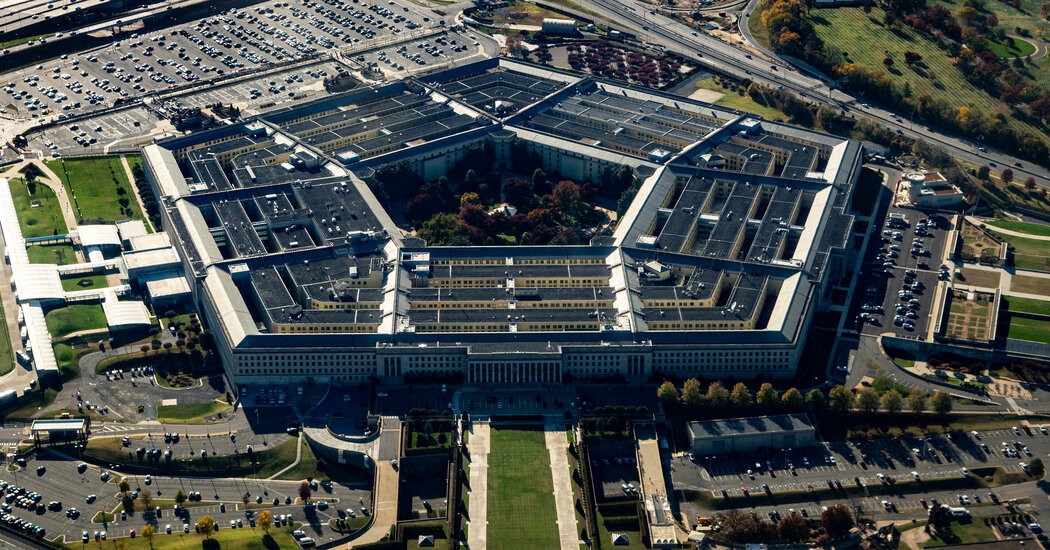
Silicon Valley is increasingly siding with Anthropic, an AI startup, in a growing standoff with President Trump and the Pentagon over the ethical and operational boundaries of artificial intelligence in military applications. The dispute centers on Anthropic’s refusal to allow unrestricted use of its technology, specifically concerning surveillance of American citizens and deployment in autonomous weapons systems.
Tech Industry Opposition to Unfettered AI Use
The resistance isn’t limited to Anthropic alone. Over 100 Google employees signed a petition demanding the company refuse Pentagon compliance on certain AI military projects. Amazon and Microsoft employees echoed these concerns in a separate open letter, urging leadership to maintain strict limits on AI’s military applications. The core argument from technologists across Silicon Valley is that AI should not be weaponized for mass surveillance or used in ways that could erode democratic principles.
Anthropic CEO’s Stance and Trump’s Retaliation
Dario Amodei, Anthropic’s CEO, has publicly stated his opposition to using the company’s AI for surveillance or autonomous weapons, arguing it would undermine rather than defend democratic values. This position has drawn sharp criticism from the Trump administration. The President himself labeled Anthropic a “radical Left AI company,” while Defense Secretary Pete Hegseth accused the startup of being a “supply chain risk,” a move that could effectively cut off federal contracts.
Shift in Silicon Valley Dynamics
This conflict marks a notable shift in Silicon Valley’s relationship with the Trump administration. The industry, previously seen as largely compliant with government initiatives, is now openly challenging restrictions on AI ethics. Support for Anthropic has grown from initial whispers to widespread vocal opposition, with leaders and engineers at rival companies joining the fray.
This dispute highlights the increasing tension between technological innovation and government control, particularly regarding AI’s potential for both national security and civil liberties violations. The core question remains: Who decides how AI is used, and what safeguards are in place to prevent its misuse?