



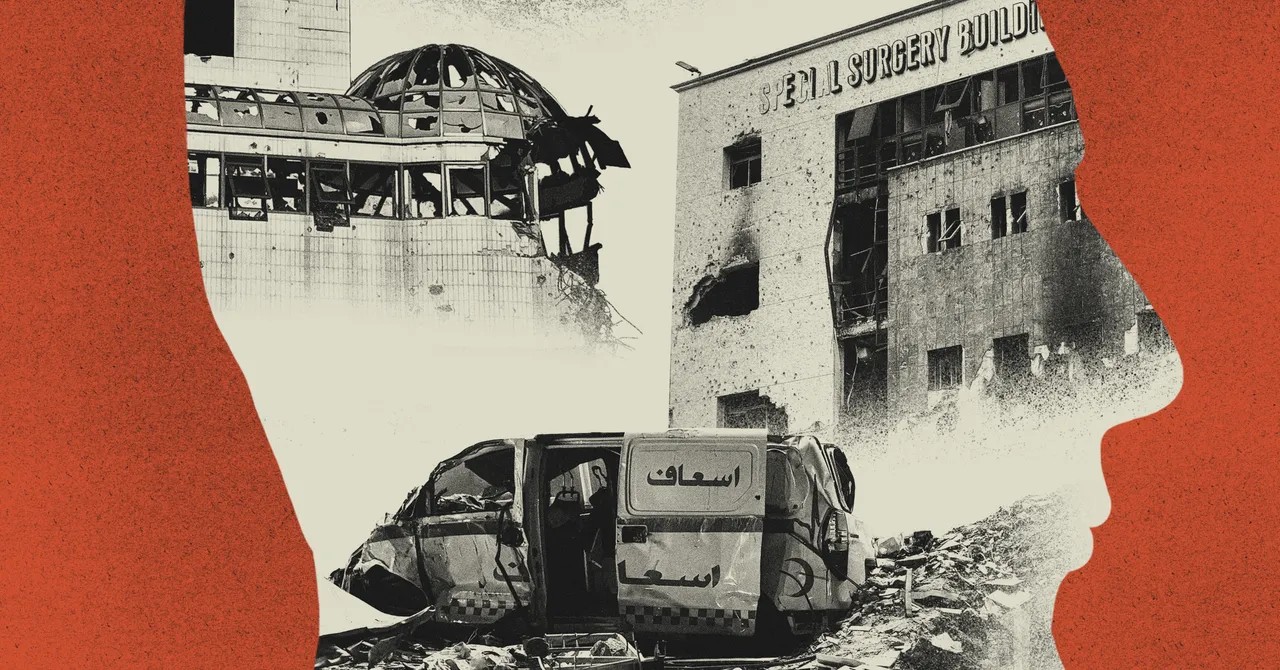
The healthcare system in Gaza is collapsing not from the immediate violence of war alone, but from a sustained campaign of deliberate obstruction and destruction. While international law protects hospitals, the Israel Defense Forces (IDF) has systematically targeted them, a practice now recognized under the term “domicide” – the destruction of homes and infrastructure essential for life. As of late 2023, only 14 out of Gaza’s 36 hospitals were still operational, a stark indication of the ongoing devastation. Over 1,700 healthcare workers have been killed, with another 220 remaining in Israeli detention.
False Ceasefires and Manufactured Scarcity
The brief ceasefires announced in October offered a false promise of recovery. Even if fully enforced, Gaza’s decimated healthcare infrastructure was already stretched beyond capacity, equipped only to handle acute war injuries. A genuine end to hostilities would have overwhelmed remaining doctors with patients seeking care for chronic conditions and routine illnesses – problems exacerbated by years of conflict.
However, the situation is far worse: Israel allows doctors into Gaza but severely restricts the entry of essential medical supplies. Multiple aid workers report smuggling vital equipment in their personal luggage. This deliberate scarcity isn’t accidental; it ensures that Gaza’s healthcare system remains crippled even during periods of reduced fighting. Doctors on the ground describe this as a continuation of genocide by other means – a slow, agonizing attrition through deprivation rather than outright killing.
The “Yellow Line” and Systematic Obstruction
The ongoing violence, even after ceasefire declarations, is concentrated along the arbitrary “yellow line” separating Israeli-occupied territory from the rest of Gaza. Casualties continue as soldiers fire upon Palestinians perceived to cross this ill-defined boundary. Between the announced ceasefire and mid-February, Israel killed over 600 people, bringing the total death toll (likely an undercount) to over 72,000, according to the Palestinian Ministry of Health.
The flow of aid is equally restricted. Despite international pressure, Israel allowed only 260 people out of 18,500 in need of urgent medical care to leave Gaza via the Rafah crossing in two weeks. Even more alarming, only 269 people were permitted to return , raising fears of forced displacement.
“The war is not over… The casualties are still happening.” – International doctor at Al-Shifa Hospital
This isn’t just a byproduct of conflict; it’s a systematic policy designed to break Gaza’s ability to sustain life, even after the immediate fighting subsides. The denial of basic medical resources, combined with continued violence and restricted movement, ensures that Gaza’s healthcare system – and the people it serves – remain on the brink of collapse.