
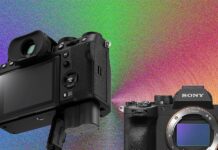



The modern camera market offers an overwhelming number of choices, but the best mirrorless cameras deliver DSLR-quality images without the bulk. Whether you’re a beginner or a professional, there’s a model suited to your needs. This guide cuts through the jargon to help you choose the right gear. The truth is, the most important thing is your vision and practice—but a quality camera still makes a difference.
Why Mirrorless Cameras Matter
Mirrorless cameras have surged in popularity because they combine the image quality of traditional DSLRs with a smaller, lighter form factor. This makes them ideal for travel, street photography, and anyone who prioritizes portability. The technology has matured to the point where the performance gap between mirrorless and DSLR is minimal, with mirrorless often exceeding DSLRs in autofocus speed and video capabilities.
Key Features to Consider
Choosing a camera involves understanding a few core specs. Don’t get bogged down in numbers, but know what matters for your shooting style:
- Sensor Size: Larger sensors (full-frame) generally perform better in low light and offer more dynamic range. APS-C sensors are more affordable and still deliver excellent results.
- Autofocus: Modern mirrorless cameras have incredibly fast autofocus systems. Some excel at tracking specific subjects (humans, animals, vehicles).
- In-Body Image Stabilization (IBIS): This reduces camera shake, allowing slower shutter speeds without blur. Essential for low-light shooting.
- Electronic Viewfinder (EVF): The EVF displays a real-time preview of your shot. Quality varies significantly between models.
- Weather Sealing: Protects the camera from dust and moisture, though no system is truly waterproof.
- Battery Life: Battery performance has improved, but some cameras still require multiple batteries for extended use.
- JPEG Quality: All cameras can shoot RAW or JPEG. Some manufacturers, like Fujifilm, offer superior in-camera JPEG processing.
Top Picks for Different Photographers
Best All-Around: Sony A7V
The Sony A7V ($2,898) currently stands out as the best all-purpose mirrorless camera. It balances high resolution (33 megapixels), fast autofocus, and excellent video capabilities. Its stacked sensor reduces rolling shutter and delivers exceptional dynamic range. It’s a near-professional camera at a more accessible price point. The A7V’s 12.47 stops of dynamic range rival medium format cameras, and its autofocus excels at tracking subjects.
Specs:
- Sensor: 33 MP Full-Frame CMOS (Partially Stacked)
- Viewfinder: 3.69M-Dot OLED (0.78x Magnification)
- Max Frame Rate: 30 fps Continuous Shooting
- Video: UHD 4K 60p (Oversampled from 7K)
Best for Beginners: Nikon Z5II
For those new to mirrorless, the Nikon Z5II ($1,597) offers a full-frame experience without the unnecessary bells and whistles. Its 24-megapixel sensor delivers excellent image quality, and its autofocus system is fast and accurate. The Nikon Z5II is an excellent entry point into the Nikon ecosystem. Nikon’s color science is renowned for its natural look, making JPEGs straight out of the camera appealing.
Specs:
- Sensor: 24 MP Full-Frame CMOS
- Viewfinder: 3.69M-Dot OLED
- Max Frame Rate: 14 fps (Mechanical Shutter)
- Video: 4K UHD at 30p (Full-Frame)
Best APS-C: Fujifilm X-T5
The Fujifilm X-T5 ($1,699) delivers exceptional image quality from an APS-C sensor. Its 40-megapixel sensor rivals full-frame cameras in detail, and Fujifilm’s film simulations provide unique aesthetic options. The X-T5’s retro design and physical dials offer a tactile shooting experience. Fujifilm’s lenses are also surprisingly affordable, making it a cost-effective system.
Specs:
- Sensor: 40 MP XTrans APS-C
- Viewfinder: 3.69M-Dot OLED
- Max Frame Rate: 15 fps
- Video: 6.2K/30p (4:2:2 10-bit)
Other Noteworthy Options
- Fujifilm X-E5: A compact rangefinder-style camera with similar image quality to the X-T5.
- Sony A7RV: For those who prioritize maximum resolution (61 megapixels).
Final Thoughts
Choosing a mirrorless camera is about matching the tool to your needs. All modern cameras are capable of producing incredible images, so focus on ergonomics, features, and the lens ecosystem. The best camera is the one you’ll use the most.