


The luxury market, long seen as recession-proof, is showing cracks. What was once a reliable indicator of economic strength – the demand for ultra-expensive items like Hermès Birkin bags – is now shifting as even the wealthiest consumers re-evaluate their spending. This isn’t just about belt-tightening; it’s about where the smart money is going in a changing world.
The “Birkin Indicator” and Why It Matters
For years, the Birkin bag has been more than just a handbag: it’s a status symbol, an investment, and a barometer for the ultra-rich. Record sales continued even during the pandemic, proving that high-end luxury can thrive even in downturns. However, trends are changing. According to industry analysts, by 2027, luxury handbags will likely see a decline in favor of alternative investments like jewelry, watches, art, and exclusive experiences.
This shift is driven by a simple principle: the wealthy prioritize value. When an item becomes overpriced or loses its exclusivity, they move on. Rising private school tuition, volatile stock markets, and the sheer cost of maintaining high-end real estate all force even the richest individuals to make hard choices.
Designer Brands Feel the Pinch
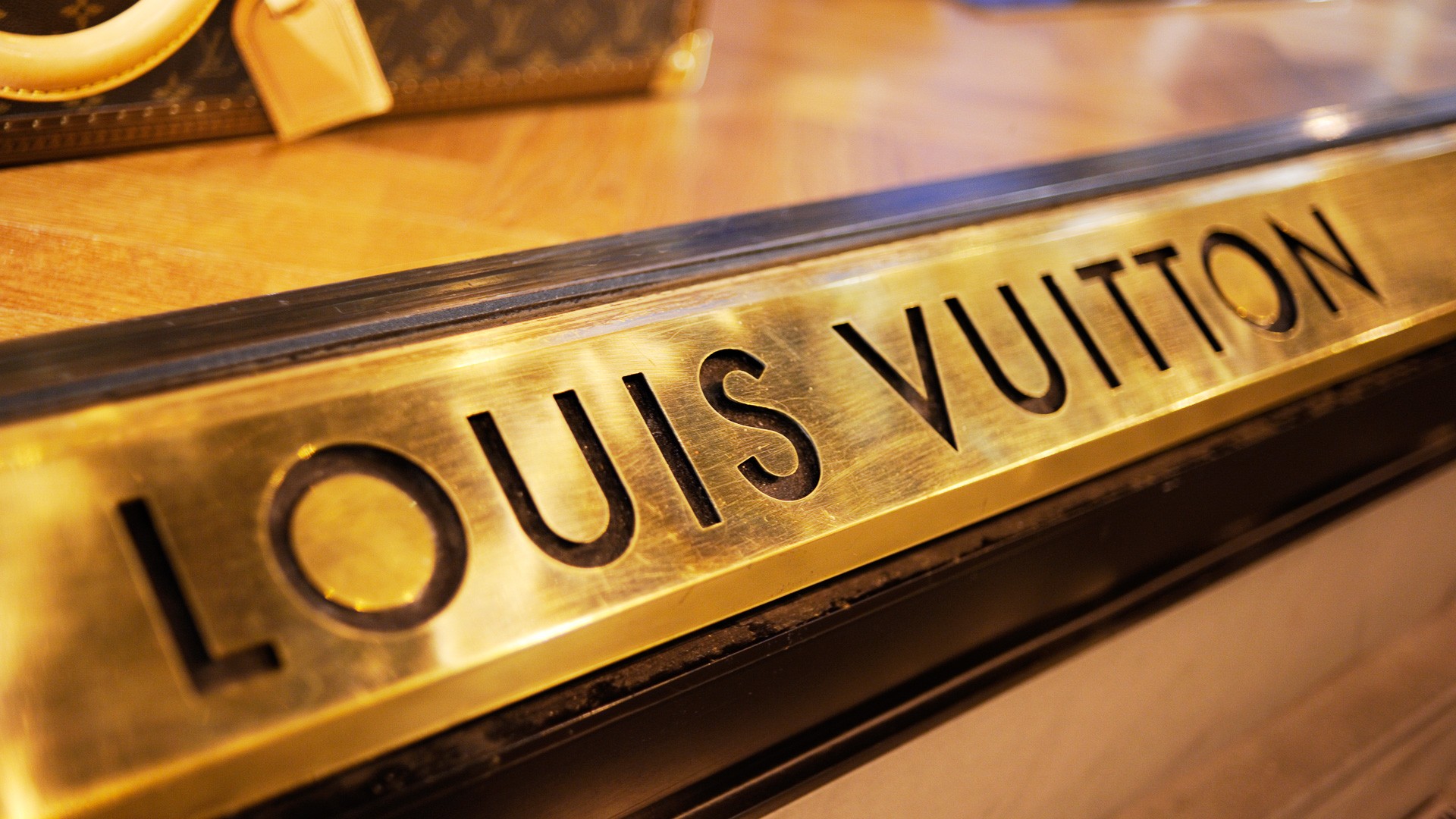
The slowdown isn’t limited to handbags. Luxury giants like LVMH (owner of Dior, Louis Vuitton, Tiffany & Co.) and Kering (Gucci, Yves Saint Laurent, Bottega Veneta) are already reporting sales declines. LVMH profits dropped 15% to $10.5 billion as of July 2024, and industry observers note that after a decade of growth, the sector is “bombing across the globe.”
This isn’t just a momentary dip; it’s a sign that the era of endless luxury spending is over. The wealthy are still buying luxury, but they’re becoming more selective, favoring items that hold or increase in value.
Trade Policies and Luxury Goods
Another major factor is geopolitical: tariffs imposed by the Trump administration have significantly impacted the European and Swiss luxury markets. A 15% tariff on European goods and a 39% tariff on Swiss products entering the U.S. has directly affected consumer behavior. The most prestigious watches, handbags, and designer clothing – many of which are made in Italy, France, or Switzerland – are now more expensive for American buyers.
This has forced consumers to reconsider purchases, driving some to look for alternatives or delay high-end spending.
The Future of Luxury Spending
The wealthy aren’t abandoning luxury entirely; they’re simply shifting their focus. Jewelry, watches, and art collections hold long-term value and can appreciate in price, making them more attractive investments. Meanwhile, exclusive experiences – such as private travel or curated events – offer prestige without the depreciating asset.
The era of buying luxury simply for the sake of it is fading. The wealthy now demand both exclusivity and tangible returns on their investments.
The “Birkin indicator” may still hold some weight, but it’s no longer the sole measure of luxury spending. The future belongs to those who can adapt to a market where even the richest buyers are making calculated decisions.