




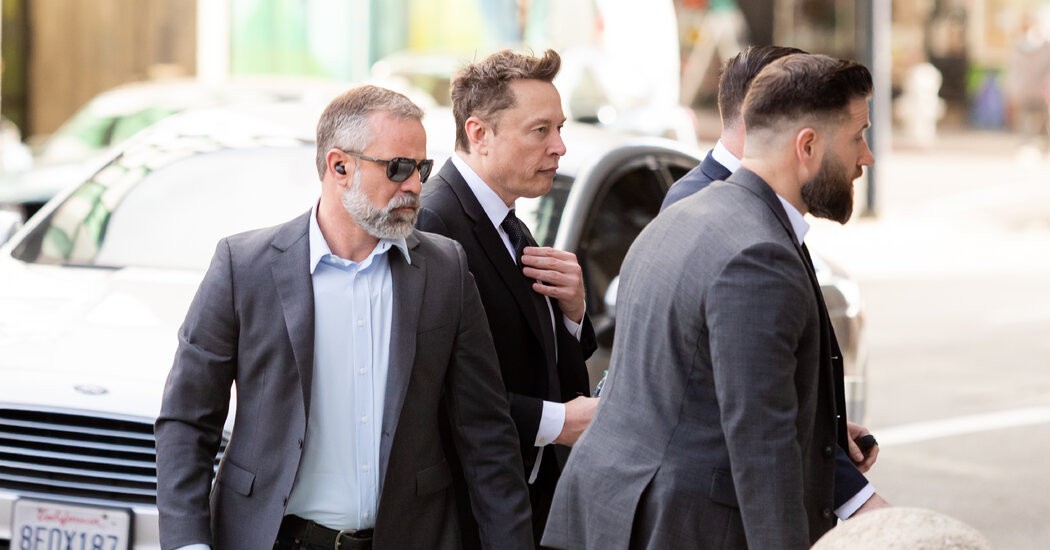
Elon Musk took the stand Wednesday in a shareholder lawsuit, admitting his 2022 social media posts about Twitter (now X) were ill-considered but denying they were a deliberate attempt to manipulate the company’s stock price. The case centers on accusations that Musk tried to drive down Twitter’s value before completing his $44 billion acquisition, potentially forcing a renegotiation of the deal.
The Core of the Dispute
Musk testified he didn’t foresee his comments – including declaring the deal “on hold” due to concerns over bot accounts – would trigger a stock drop. He likened the situation to casually mentioning being late for a meeting, arguing it doesn’t automatically cancel the appointment. “If this was a trial about whether I made stupid tweets, I would say I’m guilty,” Musk stated, yet maintained the posts weren’t intended to materially impact the market.
A Pattern of Legal Battles
This isn’t an isolated incident for Musk. He has a history of aggressively defending himself in shareholder lawsuits, often taking cases to court rather than settling. In 2023, he prevailed in a suit brought by Tesla investors who claimed losses after his 2018 tweet falsely asserting “funding secured” for a Tesla buyout. He also won a case over Tesla’s 2016 SolarCity acquisition, where shareholders argued he pressured the board to bail out his failing investment. Most recently, the Delaware Supreme Court upheld his $139 billion Tesla pay package after it was previously challenged in court.
Why This Matters
Musk’s willingness to litigate, rather than compromise, sets him apart from many corporate leaders. The repeated success of his legal defenses raises questions about the boundaries of CEO conduct and the potential for social media to influence market volatility. His testimony suggests a disregard for the immediate financial consequences of his online statements, a dynamic that could reshape expectations for public figures in the age of instant communication.
The outcome of this case could set precedent for how CEOs are held accountable for public statements that affect shareholder value. Musk’s approach suggests that even reckless messaging may not be legally actionable if intent to manipulate markets cannot be proven.