




Many retirees dream of settling into a perfect home, but real estate experts warn that certain choices often lead to stress instead of relaxation. The shift to fixed income means high-maintenance homes and inconvenient locations can quickly become financial and logistical burdens. Here’s what to avoid when downsizing or relocating for retirement.
Luxury Features: A Costly Illusion
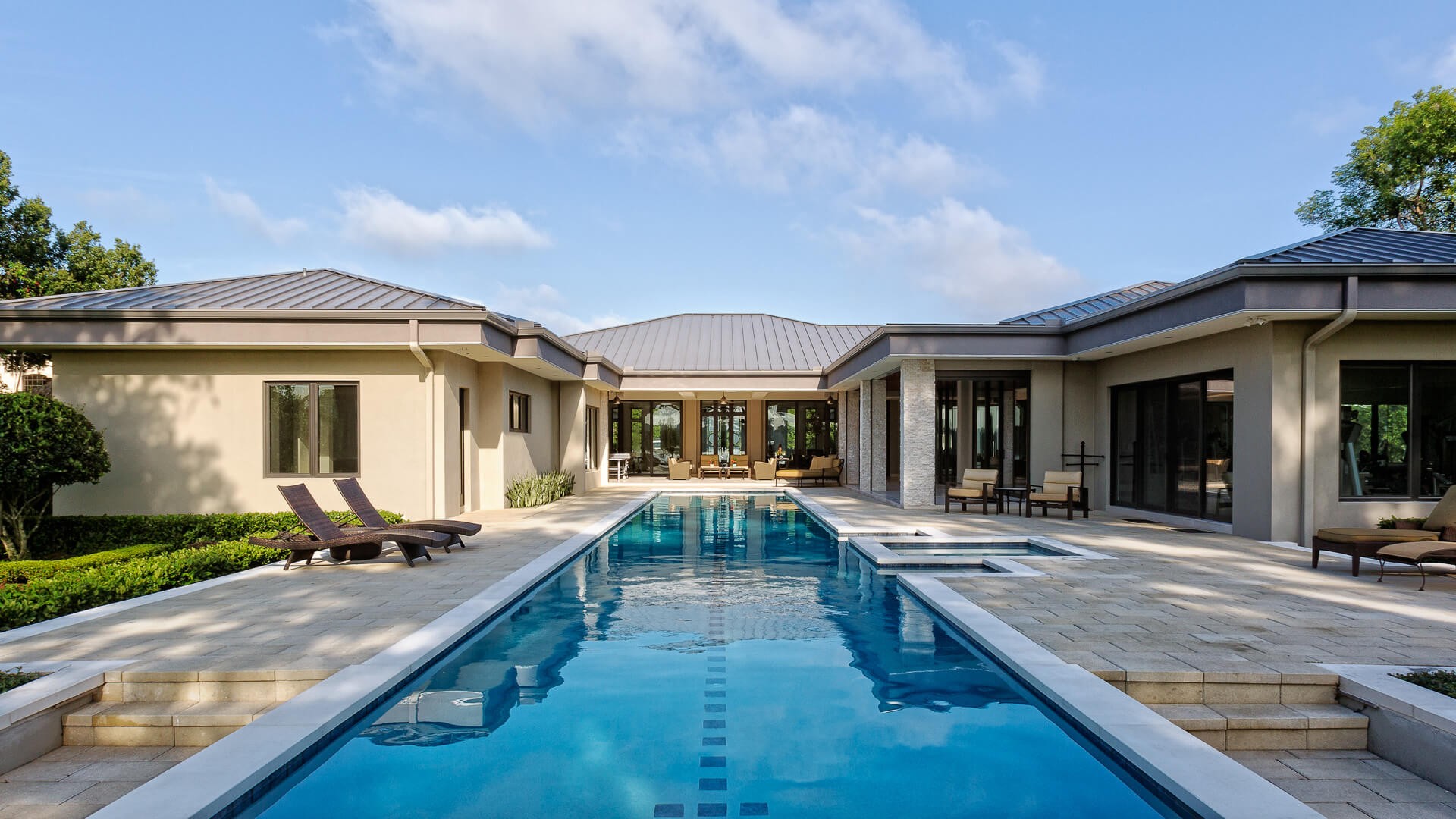
Whirlpool tubs, swimming pools, and high ceilings may seem appealing, but they translate into substantial ongoing expenses. According to Aaron Perez, CEO of Sell Your San Antonio House, these amenities “take a big bite out of a set retirement income and can cause more stress.” Nearly 40% of buyers aged 60-74 regret owning a pool, with maintenance costing thousands monthly, as Nick Manfredi of As-Is Housebuyers notes.
Accessibility: A Regret Waiting to Happen
Two-story homes and inaccessible bathrooms are frequent sources of regret. While mobility may not be an immediate concern, it can change rapidly, and retrofitting is expensive. Danny Margagliano, a Realtor with Destin Property Expert, points out that retirees often end up reselling to find single-story alternatives. Stair lifts and other alterations average $9,700 in additional costs.
Trendy Designs: Short-Lived Appeal
Chasing trends in home design is another common mistake. Chase Baxter, Realtor and owner of Spokane Cash Home Buyers, warns that trends are fleeting, and costly updates will be necessary when it’s time to sell. Focus on timeless design elements and use trends for easily changeable details like paint and decor.
Oversized Homes: Hidden Financial Drain
Larger homes mean higher property taxes, insurance premiums, and energy bills. Ben Kruse, South Jersey Realtor, explains that retirees face rising expenses with long hallways and awkward bathroom layouts. These additional costs can be difficult to manage, especially on a fixed income.
Location Oversights: The Forgotten Factor
Even a perfect home can be frustrating if it’s far from healthcare, family, or essential amenities. Manfredi advises walking the neighborhood at different times to assess traffic and proximity to medical services before making a decision. Testing the lifestyle—including winter conditions—can help avoid buyer’s remorse.
In retirement, prioritize ease, safety, and sustainability over luxury or size. Careful planning and realistic expectations are crucial to ensure your home remains a source of comfort rather than financial strain.