




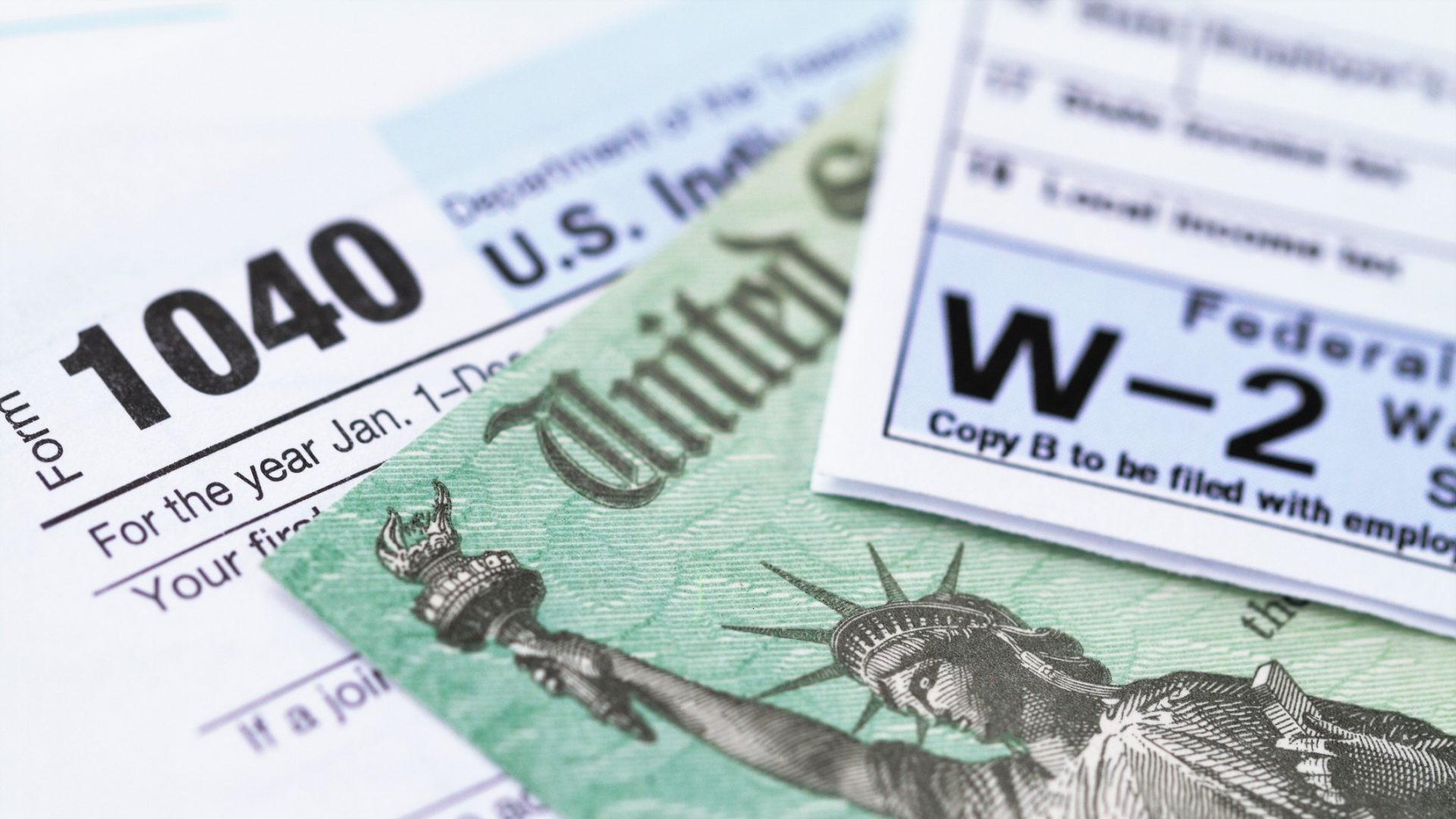
Tax refunds are often seen as a financial bonus, but changes in tax laws and income sources could lead to smaller checks in 2026. The biggest surprise for many taxpayers will be the impact of side hustle income, under-withholding, and forgotten self-employment taxes. Here’s a breakdown of why refunds may shrink and how to avoid unpleasant surprises.
The Rise of Side Hustles and Tax Liabilities
The explosion of gig work (Uber, Etsy, freelancing) is a primary reason for smaller refunds. Many taxpayers who picked up these income streams during the pandemic haven’t adjusted their W-4 withholding at their main jobs. This means no taxes are automatically deducted from the side hustle income, leading to a potential tax bill when filing.
According to CPA Josh Katz, founder of Josh Katz CPA, people often assume extra income is “gravy” until they realize they owe taxes, potentially including penalties for underpayment. The problem is compounded by the fact that…
Self-Employment Tax: The Hidden 15.3%
Gig income is subject to an additional 15.3% self-employment tax for Social Security and Medicare. Unlike traditional W-2 employment, where employers cover half of these taxes, gig workers pay the full amount. This can significantly reduce a refund, especially if taxpayers haven’t planned for it. For example, $20,000 earned from DoorDash in a 22% tax bracket could result in roughly $7,400 in combined income and self-employment taxes.
How to Avoid Tax Surprises
The IRS expects taxes to be paid throughout the year, not just at filing time. Here are two ways to avoid a smaller refund or a tax bill:
- Adjust W-4 Withholding: Increase withholding from your main job to cover taxes on side hustle income.
- Make Quarterly Estimated Payments: Pay taxes on side income every three months to avoid penalties.
CPA Katz advises setting aside 30–35% of all 1099 income in a separate account and treating it as already spent. This proactive approach ensures funds are available when taxes are due.
The IRS wants their money throughout the year, not all at once in April. If you wait until you file to pay it all, you’re also getting hit with underpayment penalties which just makes it worse.
Failing to plan ahead means potentially owing money instead of receiving a refund, and facing additional penalties for underpayment. The key takeaway is that ignoring side hustle income or self-employment taxes can significantly shrink your refund.