



Electric vehicle (EV) drivers face unique challenges as winter approaches. While EVs offer advantages in traction, cold weather significantly impacts battery performance and range. Proactive preparation is essential for a safe and efficient winter driving experience. This guide outlines five key steps to ensure your EV is ready for the colder months.
1. Battery Health Check
Cold temperatures reduce EV battery capacity. Owners should expect a 10–20% range decrease below freezing, with steeper reductions in extreme cold. A diagnostic check can assess battery condition; if deterioration is present, adjust winter driving plans accordingly. Understanding your battery’s limitations is the first step to mitigating range anxiety.
2. Master Preconditioning
Leverage your EV’s preconditioning feature. Use the vehicle’s timer or app to warm the battery and cabin while still plugged in. This maximizes range by drawing power from the grid instead of the battery, offering a warmer and more efficient start. SlashGear reports this also extends battery life. Preconditioning is a simple yet effective way to optimize winter performance.
3. Invest in Winter Tires
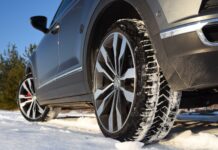
EVs benefit from winter tires, especially given their instant torque. Wheel spin is more likely on slick surfaces, and EVs tend to be heavier than gasoline vehicles. EV Magazine highlights that specialized low-rolling-resistance tires are ideal, but any high-performance snow tire will improve winter grip. Proper tires are non-negotiable for safe winter driving.
4. Optimize Heating Usage
Conserve battery power by prioritizing localized heating. EVs consume energy rapidly when heating the entire cabin. Kelley Blue Book suggests using heated seats and steering wheels instead, as these features require significantly less energy. Smart heating strategies can make a noticeable difference in range.
5. Plan Ahead for Charging
Winter demands extra patience and preparation. Park indoors whenever possible to minimize temperature extremes. Charge more frequently, allowing additional time, as cold weather slows charging speeds. Familiarize yourself with nearby charging stations to avoid unexpected range issues. Proactive planning is key to avoiding winter-related inconveniences.
Winter conditions demand respect and planning from all drivers, but EVs require extra consideration due to their dependence on battery performance. By taking these five steps, EV owners can ensure a safer, more comfortable, and more reliable winter driving experience.