




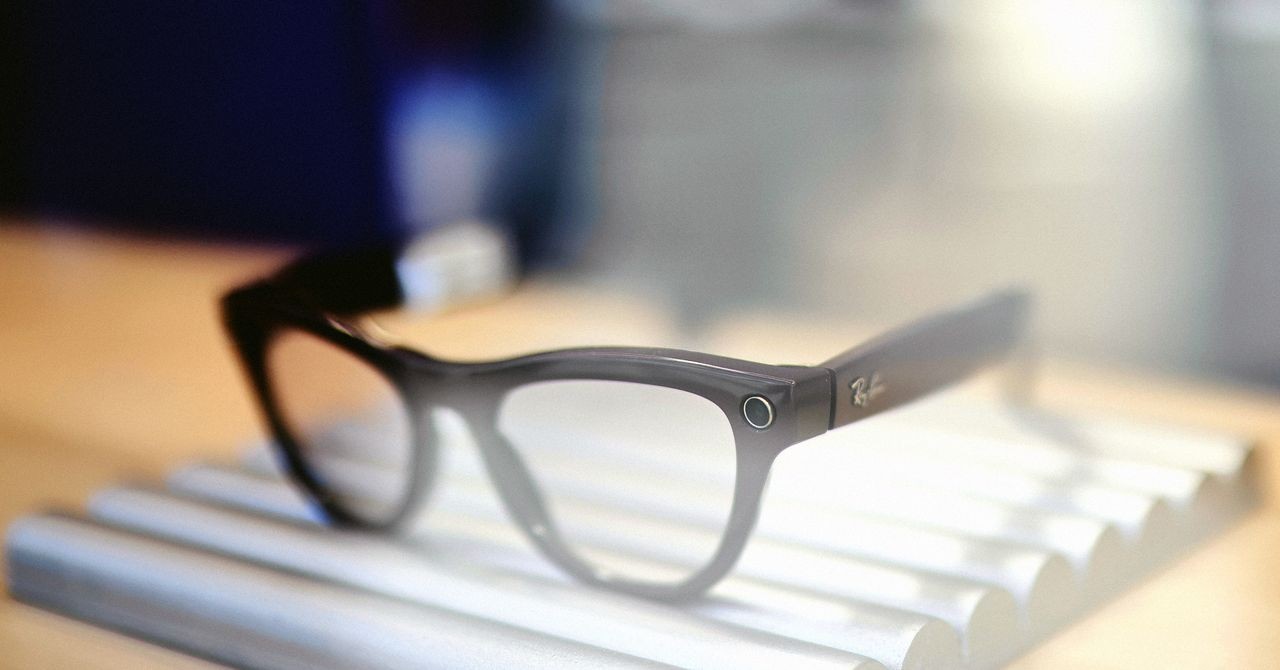
The sleek, seemingly innocuous Ray-Ban Meta smart glasses are rapidly becoming a tool for unchecked public recording, raising serious privacy and ethical concerns. What began as a tech novelty is now being weaponized by influencers, harassers, and even potentially, surveillance agencies. The glasses, capable of recording video from the wearer’s perspective, have sparked a backlash as users document interactions – sometimes without consent – and upload footage to social media platforms.
The Problem with Unsolicited Recording
The core issue isn’t the technology itself, but its application. People like Joy Hui Lin, a researcher in Paris, are experiencing firsthand how these glasses can create a feeling of violation. She was approached by students who later revealed they had been recording her without asking, a scenario becoming increasingly common. The glasses’ discreet design makes them harder to detect than previous smart glasses like Google Glass, making surreptitious recording easier.
The situation is exacerbated by content creators who actively exploit the glasses for exploitative or predatory behavior. Influencers with millions of followers are filming interactions with strangers, often women, with little regard for consent. This has earned the glasses the derogatory nickname “pervert glasses.”
Meta’s Role and Data Practices
The problem extends beyond individual bad actors. Meta automatically uploads footage from the glasses to its servers, where it’s reviewed by contract workers, including potentially sensitive or private content. Investigations have revealed instances of nudity, sex acts, and other compromising material being recorded without the subjects’ knowledge. This practice has already triggered a consumer protection lawsuit.
Moreover, Meta plans to expand the glasses’ AI capabilities, collecting user videos for further training. Despite these concerns, Meta claims users are responsible for complying with laws and using the glasses “in a safe, respectful manner,” a statement many find hollow given the device’s inherent potential for abuse.
The Stealth Market and Countermeasures
The privacy concerns have led to a burgeoning black market for modifications that disable the recording indicator light. Individuals are offering “stealth mode” versions of the glasses for cash, allowing users to record completely undetected. This underscores the difficulty of regulating the technology effectively.
However, some are fighting back. Yves Jeanrenaud, a programmer, developed the “Nearby Glasses” app, which scans for Bluetooth signals from Meta and Snap smart glasses, alerting nearby users to potential surveillance. The app has been downloaded over 59,000 times but Jeanrenaud himself believes the fight for privacy is already lost, citing a culture where exploitation and entertainment are closely linked.
The Bigger Picture
The rise of smart glasses highlights a disturbing trend: the normalization of constant, often aggressive recording in public spaces. Smartphones already made this possible, but smart glasses make it more frictionless and secretive. Governments are starting to take notice, with U.S. senators demanding Meta detail its biometric data practices and consent policies.
Ultimately, the issue isn’t just about the glasses themselves, but the broader lack of regulation surrounding surveillance technology. Without stronger laws protecting personal privacy, these devices will likely continue to be exploited for harassment, stalking, and potentially, even more sinister purposes. The era of ubiquitous, hidden recording is here, and it’s raising uncomfortable questions about consent, exploitation, and the future of public space.