




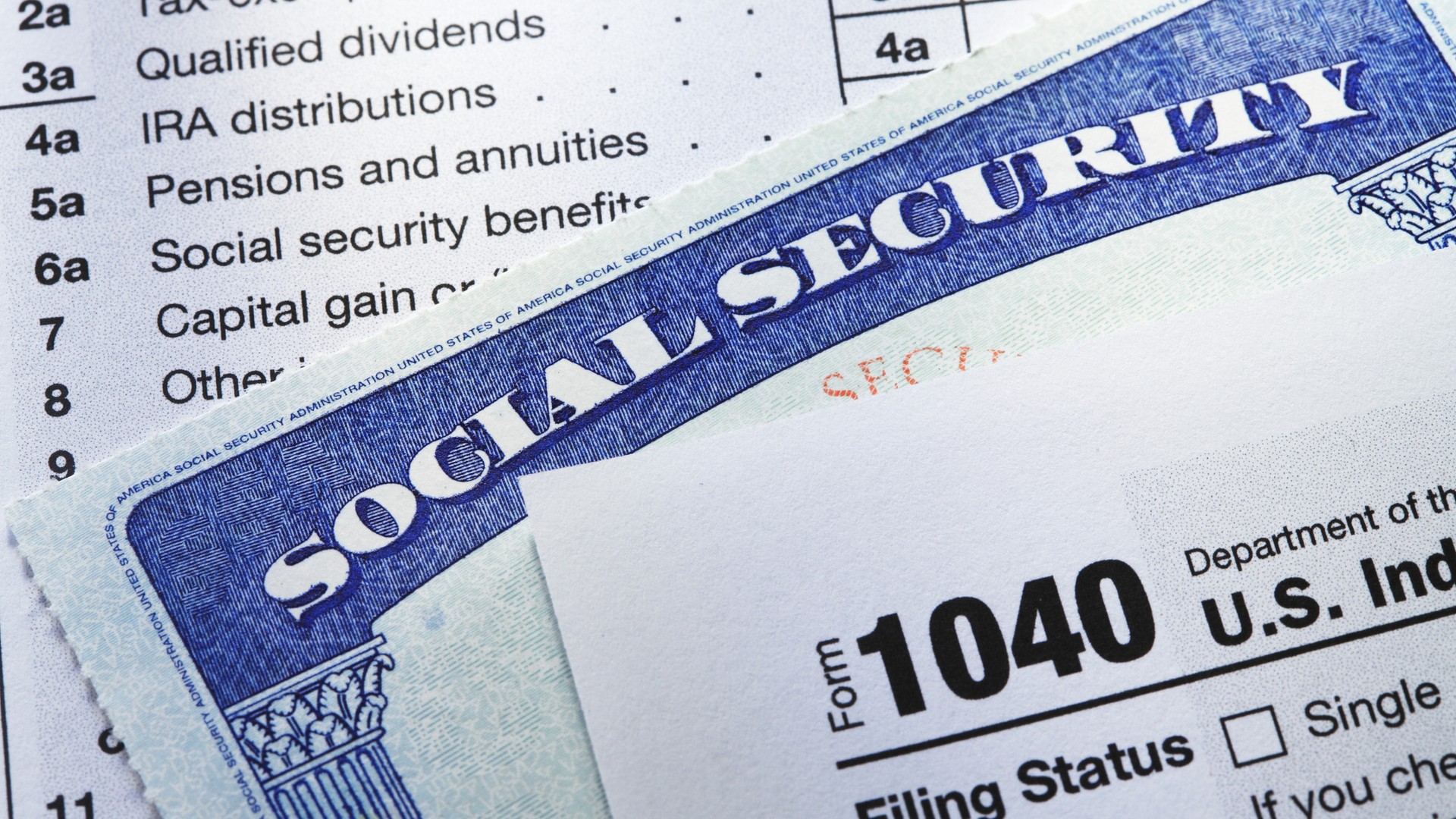
Many people mistakenly believe retirement automatically means lower taxes. While income does change, taxes don’t simply disappear. In fact, Social Security, required withdrawals, and investment gains can create a complex tax situation for retirees. Here’s a breakdown of five common myths and why they don’t hold up under scrutiny:
Myth 1: Social Security Is Tax-Free
This is perhaps the most persistent myth. Many retirees assume their benefits won’t be taxed, but the IRS taxes Social Security based on “provisional income” —your adjusted gross income, plus half your benefits, plus tax-exempt interest.
If your provisional income exceeds certain thresholds (which change annually), up to 50% or even 85% of your benefits may be taxed at the federal level. This means a seemingly “safe” benefit can still trigger a tax liability.
Myth 2: You’ll Automatically Be in a Lower Tax Bracket
While a reduced paycheck might suggest lower taxes, that’s not always the case. Required Minimum Distributions (RMDs) from traditional IRAs and 401(k)s kick in at age 73 and can push your income higher than expected.
Combine RMDs with Social Security and investment gains, and you may find yourself in the same tax bracket—or even higher—than before retirement. The IRS publishes updated tax brackets annually; ignoring them is a costly mistake.
Myth 3: Waiting to Withdraw Always Saves Taxes
Delaying withdrawals sounds logical: larger balances mean more money, right? Not necessarily. Larger balances lead to larger RMDs, which are fully taxable.
This can force you into higher tax brackets later in life. Strategic withdrawals, rather than indefinite delays, may be more tax-efficient.
Myth 4: Roth Conversions Are Only for the Wealthy
This myth keeps many retirees from a potentially powerful tax strategy. Roth conversions—moving money from a traditional IRA to a Roth IRA—can be beneficial even at moderate income levels.
If you expect to be in a higher tax bracket later, paying taxes now at your current rate may save you more in the long run. Filling a lower tax bracket early in retirement can be especially advantageous.
Myth 5: Retirement Makes Taxes Simple
Fewer paychecks don’t equal simpler taxes. Retirement income comes from multiple sources—Social Security, RMDs, investment gains—each with different tax rules.
Plus, these income streams can impact your Medicare premiums, creating additional complexity. Retirement taxes require careful planning, not just hoping for the best.
In conclusion: Retirement taxes are often more complicated than many people realize. Assuming lower taxes without accounting for RMDs, Social Security taxation, and investment gains can lead to unexpected tax bills. Strategic planning, including Roth conversions and efficient withdrawals, is essential for minimizing your tax burden in retirement.