




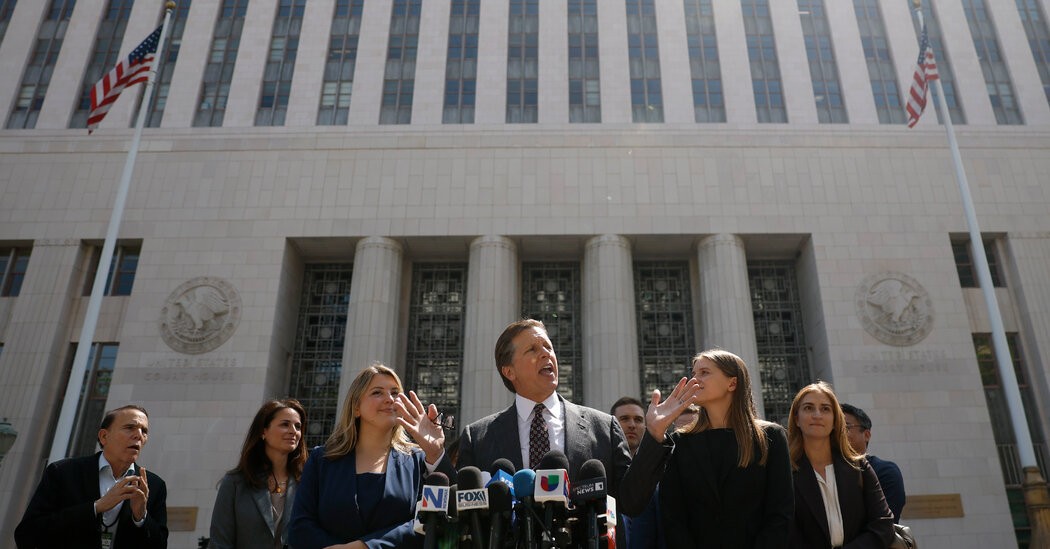
For years, U.S. lawmakers have held hearings and proposed bills to protect children on social media, but meaningful change has stalled. Now, juries are stepping in to fill the void. This week, landmark rulings in Los Angeles and New Mexico found Meta and YouTube liable for harming young users – a shift signaling that legal pressure is finally mounting against tech giants.
Landmark Rulings Signal a Turning Point
On Wednesday, a Los Angeles jury ruled in favor of a plaintiff who alleged Meta and YouTube intentionally designed addictive features that harmed her. The case sets a precedent for holding companies accountable for personal injury caused by their platforms. Separately, in New Mexico, a jury found Meta in violation of state law for failing to protect users from child predators.
Why this matters: These verdicts bypass legislative gridlock, proving that social media companies can be legally held responsible for the risks their platforms pose to children. Previously, legal challenges focused on content moderation; now, the focus is shifting to the design of addictive algorithms and safety failures.
Growing Global Backlash
The jury decisions reflect a wider backlash against social media’s impact on youth mental health. Parents and policymakers worldwide are increasingly critical of platforms that contribute to rising rates of depression, anxiety, and self-harm among young people.
- Legislative Momentum: U.S. Senators Marsha Blackburn and Richard Blumenthal are pushing for the Kids Online Safety Act, citing the verdicts as proof of the need for federal intervention.
- International Restrictions: Over 30 U.S. states have banned phones in schools, and Australia recently banned social media for those under 16. Spain, Denmark, France, Malaysia, and Indonesia are considering similar measures.
These moves suggest a growing consensus that the current self-regulation model for social media is failing to protect children, and more aggressive measures are necessary. The lawsuits and international bans will force social media companies to address their platforms’ harms or face further legal and regulatory consequences.
The implications are clear: juries and governments alike are now willing to hold social media companies accountable for the well-being of young users.