


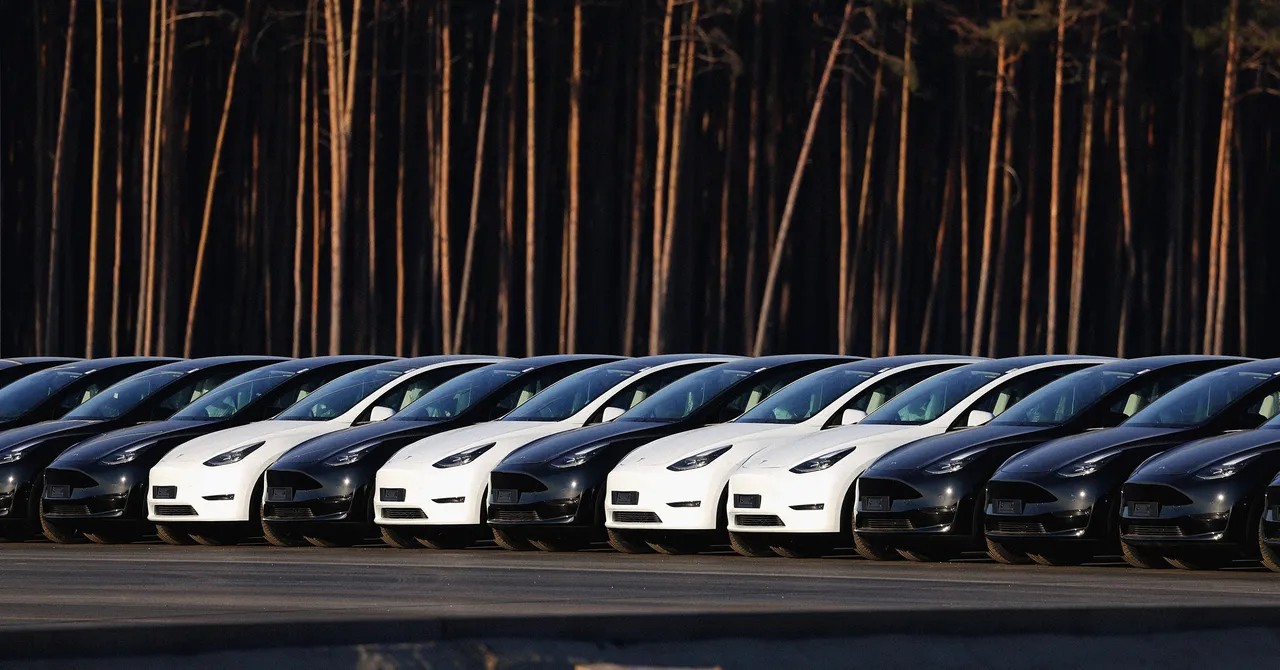
The unwavering devotion to Tesla and Elon Musk is beginning to crack. Recent controversies over Full Self-Driving (FSD) transfers and shifting pricing on models like the Cybertruck have ignited outrage among even the most ardent Tesla enthusiasts, revealing a community that tolerates little dissent. What began as a shared belief in EVs and autonomous technology is now strained by perceived bait-and-switch tactics and Musk’s increasingly erratic behavior. This isn’t just about money; it’s about loyalty tested to the breaking point.
The FSD Transfer Backlash: A Broken Promise
Tesla initially promised existing FSD purchasers could transfer their “lifetime” licenses to new vehicles purchased by March 31. However, the company quietly revised the terms, requiring customers to take delivery of a new car by that date, a condition many couldn’t meet due to production delays. This sparked fury among Tesla owners who felt cheated. The anger boiled over on X (formerly Twitter), where even prominent Tesla influencers voiced their discontent.
The response within the community was telling: those who dared criticize were swiftly labeled as “morons” and blocked, highlighting the intense pressure to conform. This isn’t just about product frustrations; it’s a clear demonstration of how Tesla’s ecosystem suppresses dissent.
The Price Games and the Illusion of Exclusivity
The Cybertruck’s launch further exposed Tesla’s pricing volatility. Musk initially announced a base price of $59,990, only to clarify within days that the deal was temporary. The price later climbed to nearly $80,000. This manipulation, combined with the FSD transfer issue, eroded trust among buyers who felt manipulated.
Why this matters: Tesla’s success relies heavily on its brand image and a loyal following. Eroding that trust could have long-term consequences, particularly as competitors enter the EV market.
From Enthusiasts to Exiles: The Breaking Point
For many, the breaking point wasn’t just about money but about Musk’s increasingly unpredictable behavior. Earl Banning, a Tesla enthusiast who once enjoyed close ties to the community, grew disillusioned when Musk dismissed concerns about his inflammatory political statements, even when they alienated his own fans (including Banning’s transgender child). Banning’s story illustrates a common pattern: initial adoration, followed by gradual skepticism, and ultimately, ostracism for questioning the leader.
The dynamic is cult-like. The community demands unwavering support, and dissent is met with hostility. This isn’t organic; it’s a carefully cultivated ecosystem where loyalty is rewarded and criticism punished.
The Rise of Counter-Narratives
People like Jilianne, who livestreams FSD malfunctions on X, are now openly challenging Tesla’s claims. Despite losing followers and facing harassment, she continues to document the software’s failures, exposing the gap between marketing hype and reality.
Dan O’Dowd, another former believer, founded the Dawn Project to lobby against FSD, arguing that the technology is unsafe. His campaign has included provocative ads during major events, further antagonizing Tesla loyalists.
The common thread: these individuals all once bought into the Tesla narrative but became disillusioned when reality clashed with Musk’s promises. Their dissent, though often met with hostility, is forcing a reckoning within the community.
The Future of Tesla’s Loyalty
Tesla’s fervent following remains strong, but cracks are forming. The company’s aggressive tactics and Musk’s unpredictable behavior are testing the limits of blind faith. As more influencers and owners voice their concerns, the community may fragment, with some choosing to remain loyal while others seek alternatives.
The long-term effects remain to be seen, but one thing is clear: the Tesla “cult” is no longer monolithic. The pressure to conform is eroding, and the price of loyalty may soon outweigh the benefits for some believers.