

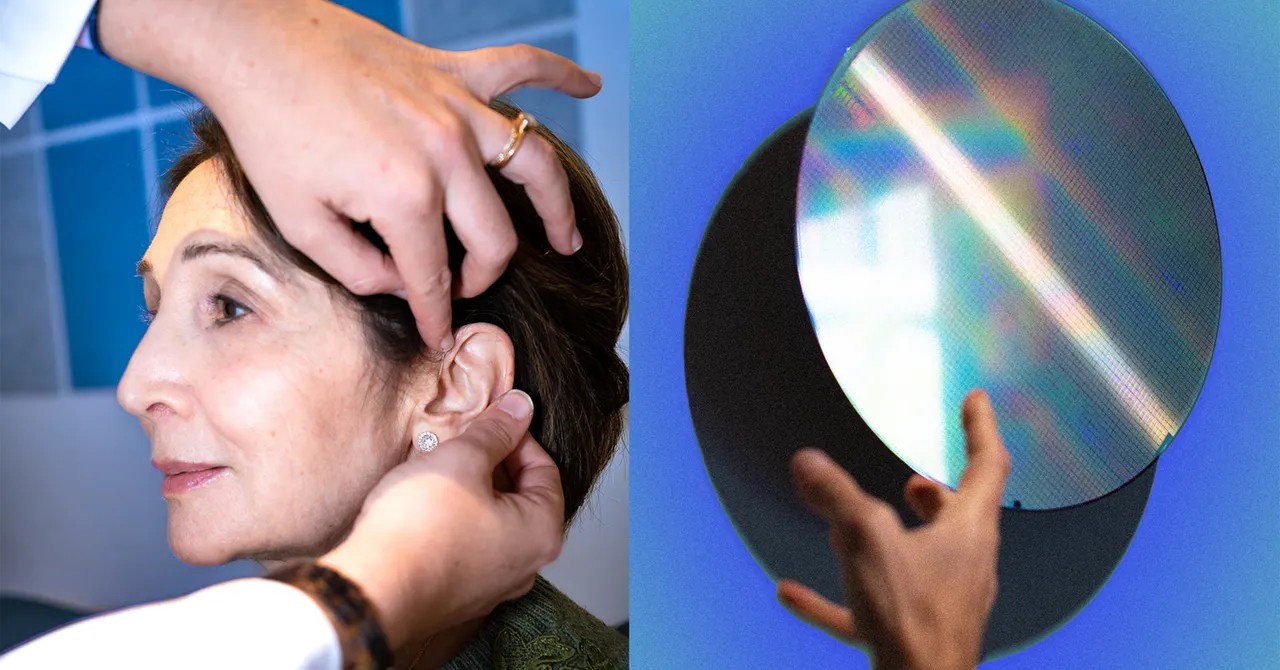
A hush-hush buzz is circulating among New York’s power circles: financial titans, Hollywood stars, and sports team owners are all talking about Fortell, a new hearing aid promising dramatically superior sound quality thanks to its AI technology. It’s not widely available yet; access has been exclusive, turning it into a status symbol for the well-connected.
The Exclusive Beta Test
Early testers, including venture capitalists and celebrities, rave about Fortell’s performance. The devices look standard on the outside, but the real magic happens in noisy environments. During street tests, wearers report clear conversations even amid traffic and chatter, a feat other high-end hearing aids struggle to achieve. Ashley Tudor, a beta tester married to a venture capitalist, described her experience as so moving she “burst into tears.”
For some, getting into the beta program is a flex. One investor noted it’s become “a major flex for the post-70 set,” akin to owning a rare Birkin bag. When entertainment lawyer Allen Grubman got his, he was flooded with calls from high-profile individuals desperate to get one. Billionaires, musicians, TV producers, and A-listers like Henry Kravis and Steve Martin are among those who finagled their way in. Even actor Bob Balaban, previously frustrated with existing devices, eventually secured access.
The Origin Story: Driven by Personal Loss
Fortell’s co-founder, Matt de Jonge, was motivated by his grandparents’ decline into isolation after their hearing loss worsened. He watched them retreat from conversations, ultimately contributing to their cognitive decline. This experience fueled his mission: to create hearing aids that didn’t just amplify sound, but restored connection.
De Jonge, previously working on AI at Bridgewater Associates, realized that existing hearing aid technology was failing. Despite a $14 billion industry, users weren’t satisfied. He and Cole Morris, a former Bridgewater colleague, approached Joshua Kushner for funding. Initially considering a radical overhaul of a hospital’s software, they pivoted back to the original goal: an AI-powered hearing aid.
The Science Behind the Breakthrough
The key was AI-driven source separation: isolating speech from background noise with natural clarity. Igor Lovchinsky, a former Juilliard pianist turned AI scientist, led the development. His team trained AI models using synthetic data to handle challenging environments, achieving a level of realism that bypassed the brain’s natural rejection of artificial sound.
The technology required a custom chip for real-time processing. With $150 million in funding, including contributions from Tesla investor Antonio Gracias, Fortell refined its spatial AI to replicate the brain’s natural sound perception. The company scaled up production, attracting endorsements from high-profile investors and users who experienced life-changing results.
The Launch: Limited Access, High Price
Fortell will sell hearing aids at a single clinic on Park Avenue in Manhattan, with a deliberately limited initial rollout. The price is set at $6,800, which is competitive with other high-end options but still prohibitive for many. This exclusivity has sparked frustration among those locked out, yet it reinforces the brand’s allure for the elite.
De Jonge acknowledges the limitations, but defends the price as a necessary step to ensure quality. However, the lack of broader accessibility raises concerns: millions who could benefit remain excluded, potentially accelerating their cognitive decline. While Fortell aims to revolutionize hearing aids, its current model risks exacerbating existing inequalities.
The Future of Hearing Aids?
Fortell’s success hinges on scaling production without compromising quality. Whether the company can deliver on its promise to make this technology accessible to all remains to be seen. For now, it remains a status symbol for the privileged, a reminder that even in healthcare, innovation can be gatekept by wealth and exclusivity.