



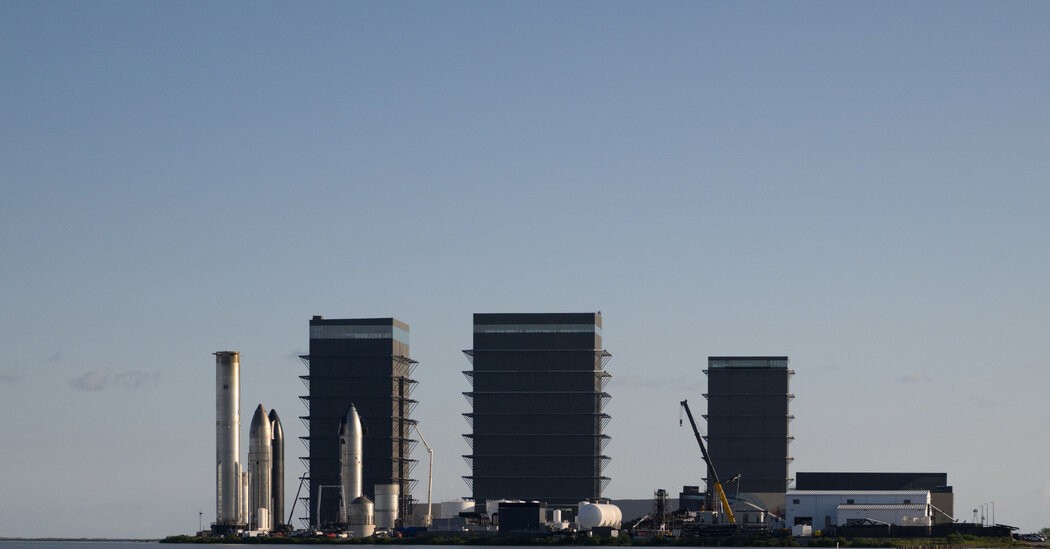
Elon Musk has combined SpaceX, his aerospace giant, with xAI, his artificial intelligence startup, in a move that further cements his control over a rapidly expanding tech and space empire. The merger, announced Monday, is driven by financial synergy, the race for AI dominance, and Musk’s long-term vision for building data centers in space.
Financial Lifeline for xAI, Boost for SpaceX
The deal’s financial terms remain undisclosed, but it positions the newly combined entity as one of the world’s most valuable private companies, exceeding a $1 trillion valuation. xAI, founded later than many AI competitors, has burned through billions attempting to catch up. The merger provides a much-needed financial boost while allowing SpaceX to capitalize on the growing AI boom.
IPO Plans: Raising $50 Billion
Two sources familiar with the plan indicate an initial public offering (IPO) is slated for around June. Musk intends to raise approximately $50 billion through the offering, leveraging the combined strength of SpaceX and xAI. This move signals confidence in investor demand, despite questions about the sustainability of xAI’s spending.
Space-Based Data Centers: The Core Strategy
Musk has openly stated that a key driver of the merger is the construction of data centers in orbit. This strategy addresses the increasing demand for computing power needed to run advanced AI models and provides a unique infrastructure advantage. Space-based data centers bypass terrestrial limitations in energy and cooling, potentially revolutionizing AI development.
A Vertically Integrated Vision
The move underscores Musk’s increasingly interconnected approach to his businesses: rockets, AI chatbots, social media (X), and satellite internet. He sees these entities not as separate ventures, but as pieces of a larger, vertically integrated innovation engine. Last year’s merger of X with xAI was a prelude to this larger consolidation.
“SpaceX has acquired xAI to form the most ambitious, vertically-integrated innovation engine on (and off) Earth,” Musk wrote in a company memo.
This strategy highlights Musk’s belief in the synergy between space technology, AI, and information platforms, creating a closed-loop system where each component feeds the others. The move also suggests a willingness to take calculated risks, even if the immediate overlaps between these businesses aren’t obvious to outsiders.
The consolidation of SpaceX and xAI is not simply about financial gain; it represents a fundamental shift in Musk’s approach to innovation, one where the boundaries between industries blur and the long-term vision supersedes short-term profitability. The combined company is poised to reshape the future of both AI and space exploration.