




Recent breakthroughs in technology are reshaping medicine, warfare, and daily life at an unprecedented pace. From brain implants to next-generation cellular networks, the world is entering a new era of interconnected devices, powerful AI, and escalating security concerns.
China’s Lead in Brain-Computer Interfaces
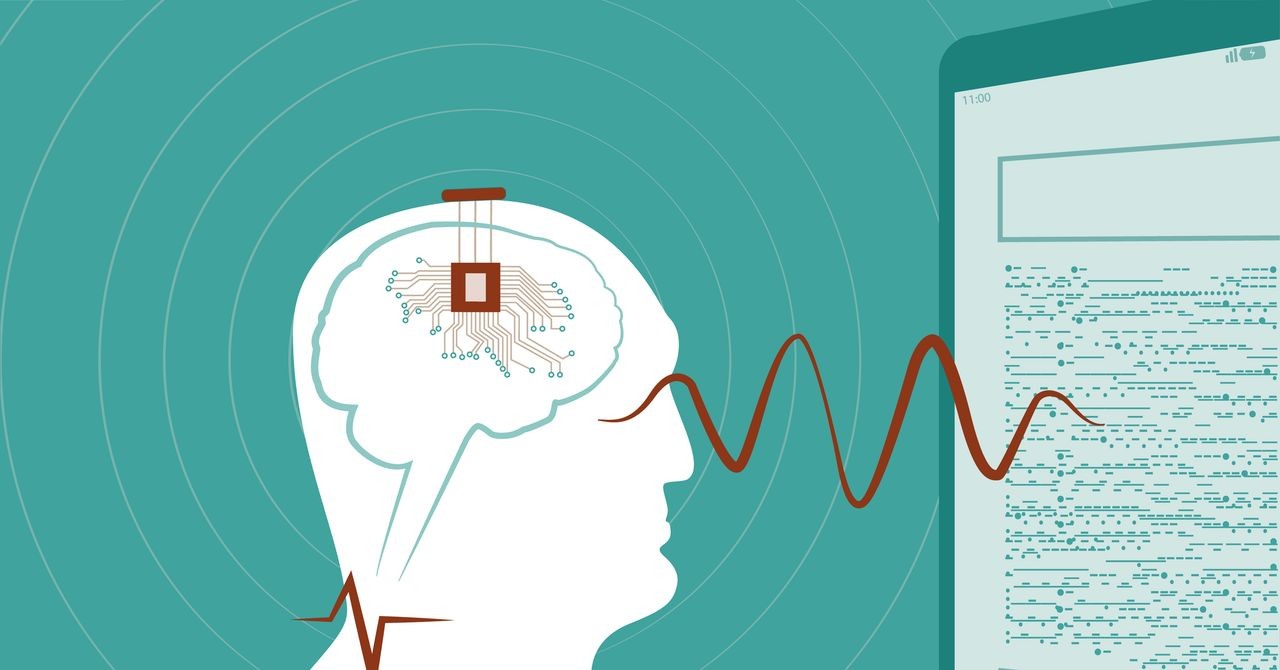
China has approved the first commercial sale of brain chips, signaling a major push to dominate the rapidly evolving neurotechnology industry. This move positions China as a frontrunner in a field that could redefine human-machine interaction. While the ethical implications remain under debate, the economic and strategic advantages are clear: brain implants promise to enhance cognitive abilities, treat neurological disorders, and potentially even control behavior.
Japan’s Breakthrough in Reprogrammed Cells
Japan has authorized the first medical products based on reprogrammed human cells —a technology pioneered two decades ago. This milestone marks a turning point in regenerative medicine, offering new treatments for previously incurable diseases. The approval process reflects Japan’s commitment to cutting-edge biotechnology and its potential for global healthcare innovation.
The Long-Term Reality of Brain Implants
One patient, Rodney Gorham, has lived with a Synchron brain-computer interface for five years. His experience shows that long-term implantation is feasible, and new applications are continuously discovered. This suggests that brain implants are not just experimental but could become a practical reality for people with disabilities or those seeking cognitive enhancement.
6G: The Next Wireless Revolution
6G cellular technology is expected to arrive by 2030, promising faster upload speeds, AI integration, and advanced sensing capabilities. This new generation of wireless networks will not only improve connectivity but also enable real-time monitoring of vehicles, devices, and even individuals. The implications for surveillance and autonomous systems are significant.
AI Safety vs. Military Applications
Anthropic, a leading AI developer, is facing pressure to compromise its safety standards in order to secure military contracts. The company’s reluctance to allow its AI for autonomous weapons or government surveillance could cost it billions. This illustrates a fundamental conflict: the pursuit of AI safety versus the demands of national security.
Aging and the Shingles Virus
Recent research suggests that reactivations of the shingles virus may accelerate aging and increase dementia risk. Scientists are now investigating whether vaccines and antivirals can protect the brain from these effects. This finding highlights the complex link between viral infections, neurological health, and longevity.
Cybercrime: Robot Vacuum Hacks
A security breach exposed 6,700 camera-enabled robot vacuums to unauthorized access. The incident underscores the vulnerability of IoT devices and the growing threat of cyberattacks on everyday appliances. This type of hack could lead to privacy violations, data theft, or even physical harm.
AI-Powered Cartels
Mexico’s CJNG drug cartel has embraced AI, drones, and social media to expand its operations. The cartel’s leader, Nemesio “El Mencho” Oseguera Cervantes, may be dead, but the organization’s use of technology ensures its survival and dominance in the criminal underworld.
The Rise of Home Health Monitoring
There are now more ways than ever to monitor blood pressure at home, from digital cuffs to smartphone apps. This trend reflects a growing emphasis on preventive healthcare and remote patient monitoring. However, the accuracy and reliability of these devices vary widely.
The AI Arms Race
The race to develop advanced AI is pushing safety concerns aside as companies prioritize military applications over ethical considerations. The debate over killer robots and autonomous weapons is intensifying, with little progress toward meaningful regulation.
Attempts to Block AI Surveillance
A new device called Spectre I aims to block always-listening AI wearables, but its effectiveness is questionable due to physical limitations. The attempt highlights the growing desire for privacy in an increasingly monitored world, but practical solutions remain elusive.
Mysterious Tech: Gebbia’s Unidentified Device
US Chief Design Officer Joe Gebbia was spotted using an unidentified pair of earbuds with a circular disc, sparking speculation about advanced surveillance or experimental wearables. The incident underscores the secrecy surrounding cutting-edge tech and the lack of transparency from industry leaders.
These developments underscore a critical moment in history where technology is outpacing regulation and ethical oversight. The convergence of brain implants, AI, and surveillance tools is creating a world where human autonomy and privacy are increasingly at risk.