


This week’s headlines span from practical consumer gadgets to high-stakes cybersecurity breaches, and the uneasy intersection of tech with geopolitical tensions. Here’s a breakdown of key developments.
ChromeOS Flex Revives Legacy Hardware
Google is partnering with Back Market to make its ChromeOS Flex installer available on USB drives, giving older Windows PCs and Macs a new lease on life. This move is significant because it directly addresses the e-waste problem and offers affordable computing options for users who don’t need the latest hardware. It also demonstrates Google’s strategy of expanding its OS reach beyond Chromebooks, potentially capturing a larger segment of the budget-conscious market.
Cybersecurity: Zero-Day Exploits and Government Tools
A sophisticated iPhone hacking toolkit, suspected to have originated from a US government agency, has fallen into the hands of foreign spies and criminals. This represents a severe security risk, as it bypasses traditional defenses and could compromise sensitive data on a massive scale. The incident highlights the dangers of state-sponsored hacking tools being leaked or stolen – it’s a reminder that even the most secure devices can be vulnerable.
Big Tech’s Role in Immigration Enforcement
A WIRED investigation revealed that ICE and CBP have spent over $515 million on tech products from companies like Microsoft, Amazon, Google, and Palantir. This confirms the deep entanglement of major tech firms with US immigration enforcement, raising ethical questions about their complicity in controversial policies. The scale of spending shows how integral these technologies are to border security and surveillance operations.
Consumer Trends: Gaming, Fashion, and Health
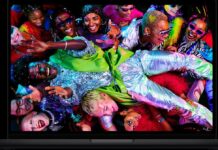
Several consumer-focused stories dominated this week. Razer’s BlackShark V3 Pro gaming headset is on sale, offering a high-end audio experience for gamers. Apple announced new MacBook Air and Pro models with upgraded chips, increased storage, and higher prices. The company’s decision to delay the rumored entry-level MacBook suggests a tiered pricing strategy. Meanwhile, demand for at-home blood pressure monitors is surging, as consumers take a more proactive approach to health monitoring.
The iPhone’s Origins and Doomscrolling
David Pogue’s new book, Apple: The First 50 Years, details the intense secrecy surrounding the development of the original iPhone. This provides a glimpse into Apple’s culture of innovation and control, which has defined its success. On a more critical note, the relentless cycle of war alerts, breaking news, and algorithmic feeds is driving users into a “doomscrolling” loop, exacerbating anxiety and political polarization.
In conclusion, this week’s tech landscape is defined by a mix of opportunity and risk. From reviving old hardware to securing devices against state-level hacking, innovation and security are intertwined. The role of big tech in both enabling consumer convenience and facilitating government surveillance remains a critical point of discussion.