

President Trump is imposing sweeping new tariffs on nearly all imports to the United States, effectively bypassing a recent Supreme Court ruling that struck down previous levies. The move, outlined in an executive order Friday evening, applies a 10% tariff to most goods entering the country, with limited exceptions for critical minerals, select agricultural products (beef, fruits), automobiles, pharmaceuticals, and imports from Canada and Mexico. These tariffs take effect on February 24, 2026.
Why This Matters: This decision highlights an escalating pattern of executive overreach in trade policy. The Trump administration has demonstrated a willingness to exploit loopholes and push the boundaries of presidential authority in pursuit of protectionist measures, even when legally challenged. The Supreme Court’s ruling was meant to curb unchecked presidential power over tariffs, but Trump has responded by finding a new legal basis to achieve the same outcome.
Exploiting the Trade Act of 1974
The administration is leveraging Section 122 of the Trade Act of 1974, a rarely used provision that permits the president to impose tariffs up to 15% if “large and serious” trade deficits exist. These tariffs are initially limited to 150 days unless Congress authorizes an extension. Legal experts, such as Gregory Husisian of Foley & Lardner LLP, anticipate this will serve as a “bridge authority,” allowing Trump to maintain pressure while preparing alternative tariff justifications.
Long-Term Strategy: The 150-day window provides time to launch more durable tariffs under Section 301 (unfair trade practices) or Section 232 (national security concerns). The administration has already announced plans to accelerate investigations under these sections, effectively bypassing the need for immediate congressional approval.
Suspension of De Minimis Exemption Remains
Alongside the new tariffs, the administration confirmed its indefinite suspension of the de minimis exemption, which previously allowed packages under $800 in value to enter duty-free. This policy change, implemented last year, caused significant backlogs at US borders and drove up prices on online shopping platforms. The suspension remains in effect despite the Supreme Court ruling, further disrupting international trade.
Refund Uncertainty and Legal Battles
The Supreme Court ruling did not clarify how to handle refunds for companies that paid tariffs previously deemed illegal. Trump indicated this would likely be settled in court, leaving businesses facing a protracted and potentially messy refund process. Experts predict disputes over refund amounts could drag on for months or even years, as companies file claims and the government challenges their calculations.
Distorted Interpretation of the Ruling
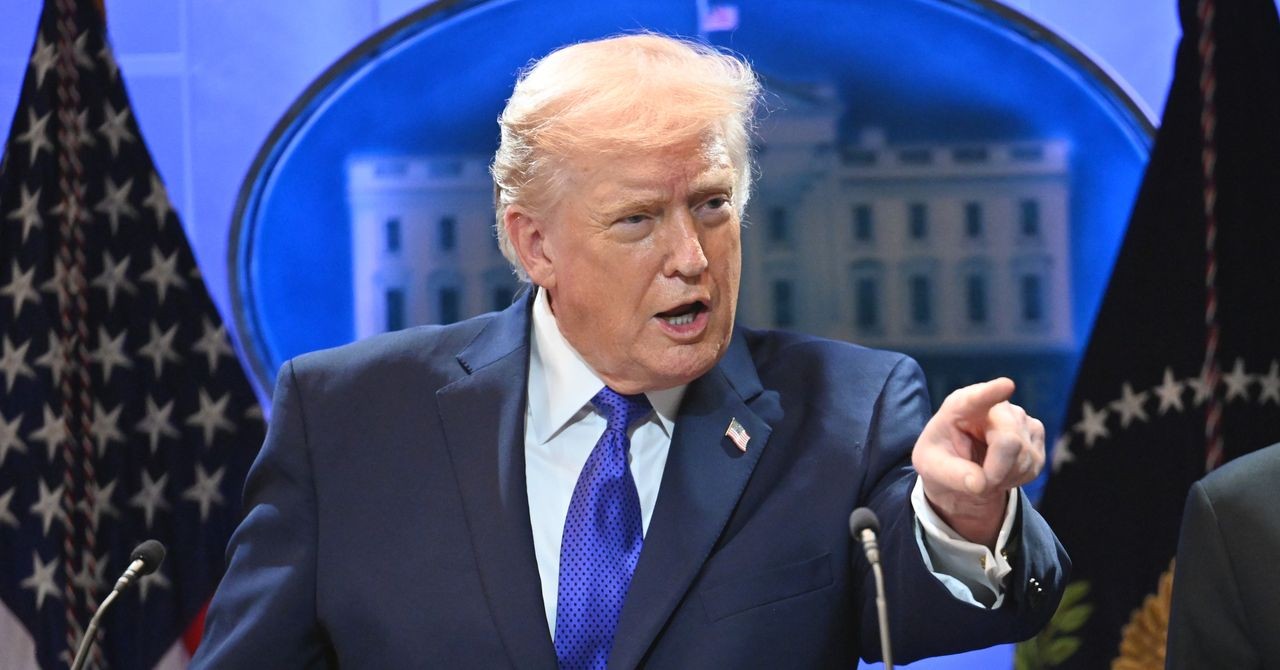
During a highly charged press conference, Trump misrepresented the Supreme Court’s decision, claiming it gave him broad authority to ban imports but not to charge fees. He also veered into unrelated grievances, including criticism of Europe and the Federal Reserve chair Jerome Powell, while boasting about his reading comprehension skills.
“The court has given me the unquestioned right to ban all sorts of things from coming into our country… but not the right to charge a fee. How crazy is that?” – President Trump
The Bigger Picture: This series of actions underscores a broader trend of Trump’s willingness to circumvent legal constraints and exploit ambiguities in trade law. The administration’s aggressive approach suggests a continued commitment to protectionist policies, even at the expense of established legal norms. The long-term consequences include heightened trade tensions, increased uncertainty for businesses, and potentially further legal challenges.