



Selecting the right mid-layer is crucial for comfort and performance in outdoor activities. Whether you’re backpacking, hiking, or simply traveling, a versatile mid-layer can regulate body temperature and provide warmth without adding excessive bulk. This guide breaks down some of the best options available, ranging from traditional fleece to high-tech grid and merino blends, explaining how they stack up in terms of weight, warmth, and breathability.
The Case for Traditional Fleece: Decathlon HM 100
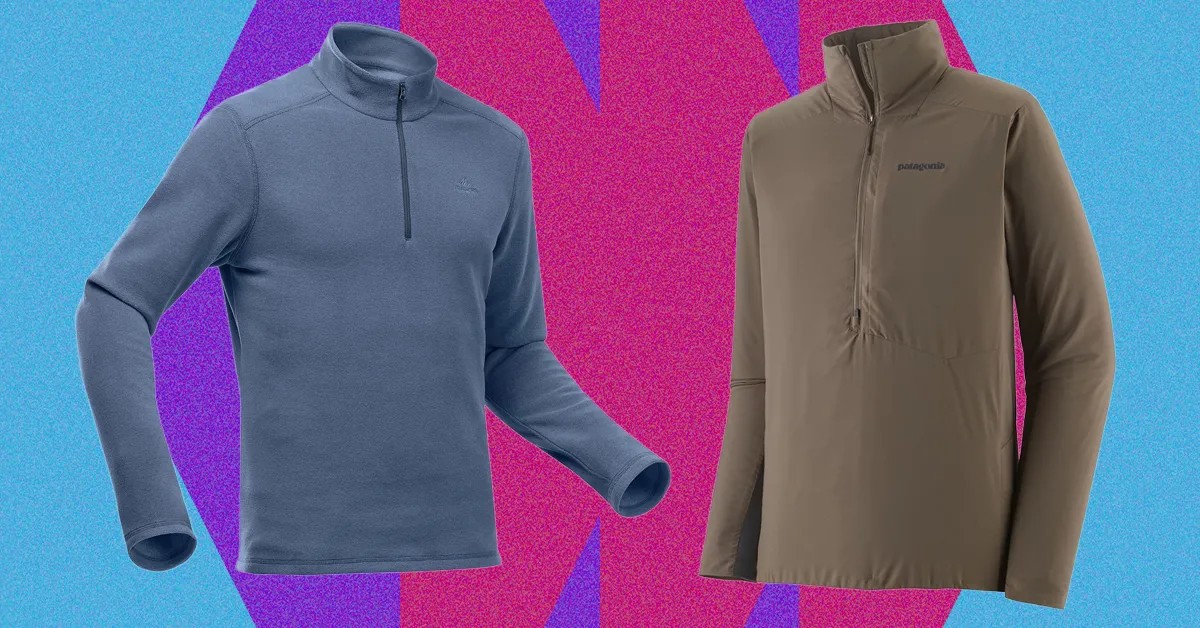
The classic pile fleece remains a strong contender, particularly for beginners. While newer materials may boast better warmth-to-weight ratios, fleece offers an unbeatable combination of affordability and durability. The Decathlon HM 100 Hiking Fleece, weighing just 7.9 oz for a men’s medium, is an excellent starting point. Unlike down, fleece retains warmth even when damp, making it reliable in unpredictable conditions. Its minimalist design—no pockets, thumb loops, or fancy features—keeps it lightweight and functional.
To complete your layering system, pair this fleece with a good base layer, a puffer jacket, and a waterproof shell. This setup provides effective insulation for most three-season hiking environments.
Grid Fleece: Patagonia R1 Air and Arc’teryx Delta Jacket
Grid fleece, such as the Patagonia R1 Air, offers improved breathability over traditional fleece. The grid pattern with elastane stitching creates a waffle-like texture that wicks away moisture more efficiently while reducing bulk. The R1 Air, a half-zip pullover, weighs approximately 9.3 oz for a men’s large. If more features are desired, the R1 full-zip hoody adds pockets and a hood, but with an additional 5 oz of weight.
For ultralight enthusiasts, Arc’teryx’s Delta Jacket utilizes Octa Fleece, a high-tech material known for its air-trapping properties and moisture-wicking capabilities. Weighing just 8.5 oz, the Delta Jacket is ideal for summer trips when paired with a sun shirt. Some users have noted its unconventional design, but its functionality outweighs aesthetic concerns for many.
Merino Blends: Ridge Merino Cloudripper and Kuiu Ultra 120
Merino wool combines warmth and comfort, but often at a weight penalty. The Ridge Merino Cloudripper blends merino with grid fleece, offering the advantages of both. The jacket weighs 16.1 oz for a men’s large, providing noticeable warmth without excessive bulk. Its dual-fabric construction keeps merino against the skin for comfort, while grid fleece enhances ventilation.
The Kuiu Ultra 120 is another lightweight merino option, weighing 7 oz for a men’s large. Made from a blend of merino and nylon, it strikes a balance between warmth, durability, and breathability. Pairing this with a lighter shell creates a flexible layering system that weighs less than many heavier grid fleece options.
The Niche Pick: Senchi Designs Polartec Alpha Direct
For those seeking the absolute lightest option, Senchi Designs offers Polartec Alpha Direct hoodies weighing under 6 oz. These jackets have gained a cult following due to their extreme warmth-to-weight ratio, but are known for being fragile and requiring special care. Senchi operates on a small-batch basis, making its products highly sought after but difficult to obtain.
Ultimately, the best mid-layer depends on your specific needs and priorities. Traditional fleece provides affordability and durability, while grid and merino blends offer enhanced performance in terms of breathability and comfort. Ultralight options such as Senchi Designs prioritize minimalism at the expense of long-term durability. By carefully considering these factors, you can choose a mid-layer that will keep you comfortable and prepared for any outdoor adventure.