




The US government and private sector continue to struggle with severe data breaches, privacy violations, and aggressive surveillance tactics. Recent revelations show law enforcement circumventing constitutional protections, while massive databases of personal credentials remain exposed online. The situation underscores systemic failures in data security and a growing disregard for individual rights.
Constitutional Rights Under Fire: Warrantless Surveillance and Data Misuse
For years, US law enforcement has bypassed Fourth Amendment protections by purchasing personal data that would normally require a warrant. Immigration and Customs Enforcement (ICE) now operates with apparent impunity, conducting warrantless raids and building a deportation network spanning multiple states. Whistleblower complaints confirm that ICE agents are openly disregarding legal restrictions, despite recent rulings affirming the illegality of such actions.
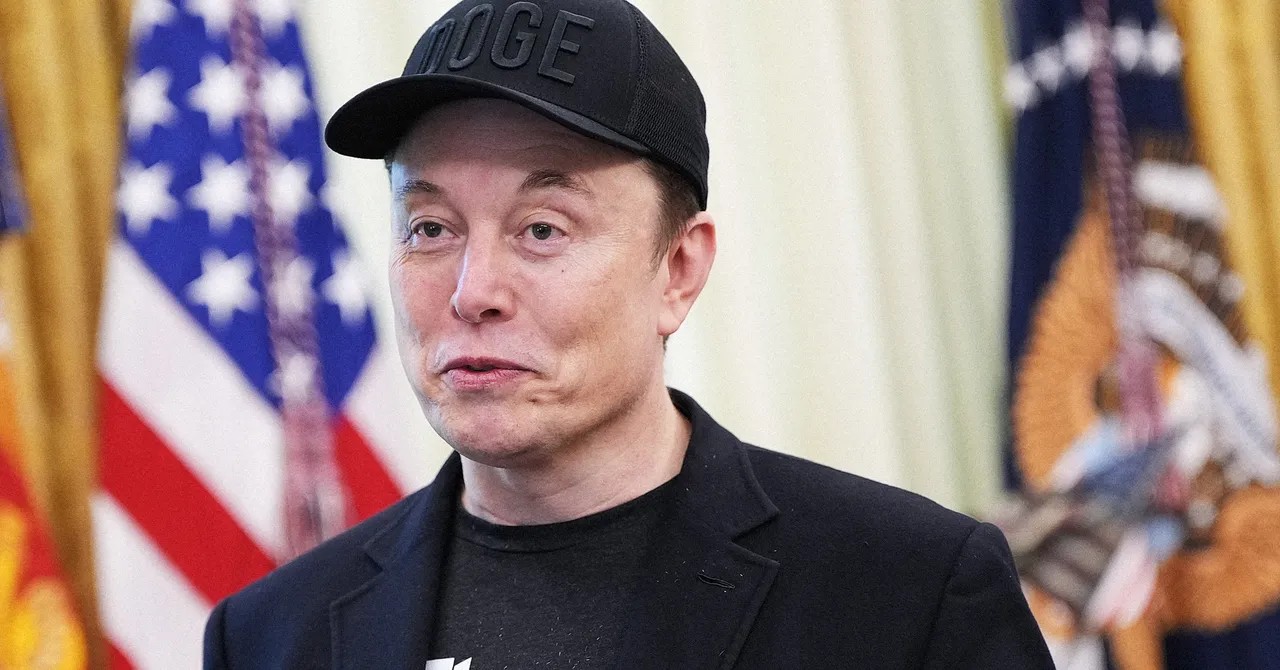
Further compounding these concerns, the Department of Justice (DOJ) admitted in court filings that operatives within the so-called Department of Government Efficiency (DOGE) may have shared Social Security Administration (SSA) data with an unnamed group attempting to influence election results. The filing detailed unauthorized data transfers via unapproved servers, raising questions about internal oversight and data security protocols. A high-ranking advisor to Elon Musk was copied on an email containing stolen SSA data, though whether he accessed the file remains unconfirmed.
Massive Data Leaks and Cybersecurity Failures
The scale of data breaches is staggering. A researcher discovered an unsecured database containing 149 million login credentials for major services like Gmail, Facebook, and Apple, as well as government systems. This database, accessible to anyone online, has since been taken offline but highlights the vulnerability of critical infrastructure to simple security failures.
Meanwhile, Under Armour is investigating a breach exposing the records of 72 million customers, including personal details like names, birthdays, and locations. Despite claims that payment information was not compromised, the scale of the leak underscores the risks of storing vast amounts of personal data.
Microsoft has also confirmed that it routinely hands over Bitlocker encryption keys to law enforcement upon request, giving agencies full access to encrypted devices. This practice effectively undermines user expectations of privacy and raises serious questions about data protection standards.
Escalating Surveillance and Data Collection
The government is also expanding its surveillance capabilities. The FAA has implemented no-fly zones around Department of Homeland Security (DHS) operations, restricting drone use within 3,000 feet of DHS assets. Violators face criminal penalties, signaling a further crackdown on civilian monitoring of government activities.
TikTok, after being sold to US investors, has begun collecting even more precise location data from its users, deepening concerns about foreign influence and privacy violations.
Finally, Iranian state television was briefly hijacked to broadcast an anti-regime message, demonstrating how vulnerable even state-controlled media can be to cyberattacks and political disruption.
Conclusion: These events reveal a disturbing trend of unchecked surveillance, systemic data breaches, and disregard for privacy protections. The government’s willingness to bypass legal constraints, coupled with widespread cybersecurity failures in both the public and private sectors, creates a hostile environment for individual rights and data security. Urgent reforms are needed to address these issues before further erosion of trust and privacy occurs.