



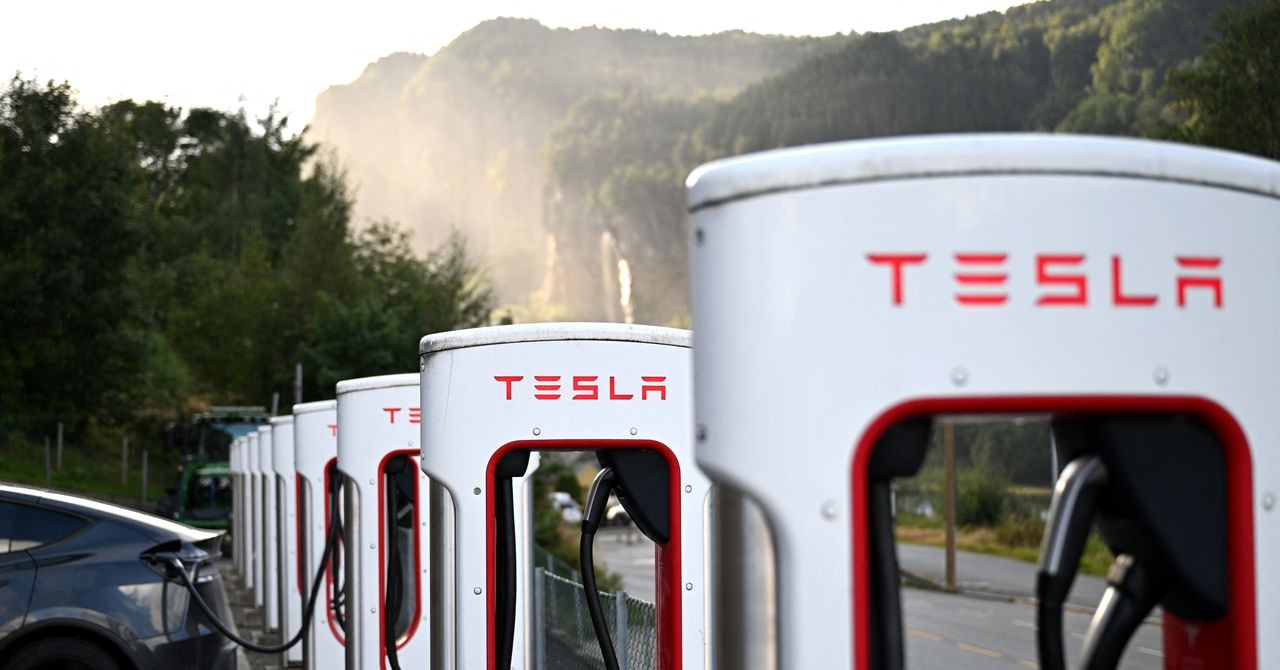
Tesla’s sales across Europe continue to fall sharply, with November 2025 seeing a significant slump in key markets. France, Sweden, and Denmark all reported declines of over 50 percent in Tesla registrations compared to the previous year. Even in Germany, where Tesla operates its only European factory, sales have halved. However, Norway is a striking exception: Tesla registrations tripled in the same period, making it the dominant car brand in the country.
The Broader European Trend
The decline isn’t isolated. Tesla’s overall European market share has dropped from 12.6 percent to 7.2 percent since May 2024. Competitors like Volkswagen and BYD are gaining ground, with Volkswagen surpassing Tesla in electric vehicle sales for the first half of the year. This shift reflects growing competition – over 150 electric models are now available from various manufacturers. A survey indicates that consumers increasingly perceive Tesla as losing its “novelty and quality” advantage.
Political Backlash and Brand Perception
Part of Tesla’s decline is tied to Elon Musk’s controversial political statements, especially in Germany. His support for the far-right AfD party triggered boycotts from companies and public figures. This highlights how political stances can directly impact consumer behavior, particularly in markets sensitive to extremist ideologies. The erosion of brand image matters because car purchases are often emotional decisions as much as rational ones.
Norway’s Unique Case
Norway’s success story is due to a long-standing policy of aggressive electric vehicle incentives. For over two decades, Norway has made EVs cheaper than traditional cars through tax exemptions – a 25 percent VAT reduction for models under €42,500. This has pushed EV penetration to an unprecedented 97.6 percent of new registrations.
However, the situation is changing. The Norwegian government plans to reduce and eventually eliminate these incentives in 2026 and 2027. This explains the current surge in Tesla sales: consumers are rushing to buy before the benefits disappear. Norway’s case is a clear illustration of how policy can rapidly accelerate EV adoption, but also how unsustainable incentives can create artificial demand.
The current success of Tesla in Norway is not necessarily a reflection of brand loyalty but a direct response to expiring financial advantages.
The underlying question is whether Tesla can maintain its position once these incentives are removed, or whether the broader European trend of declining sales will eventually catch up.