




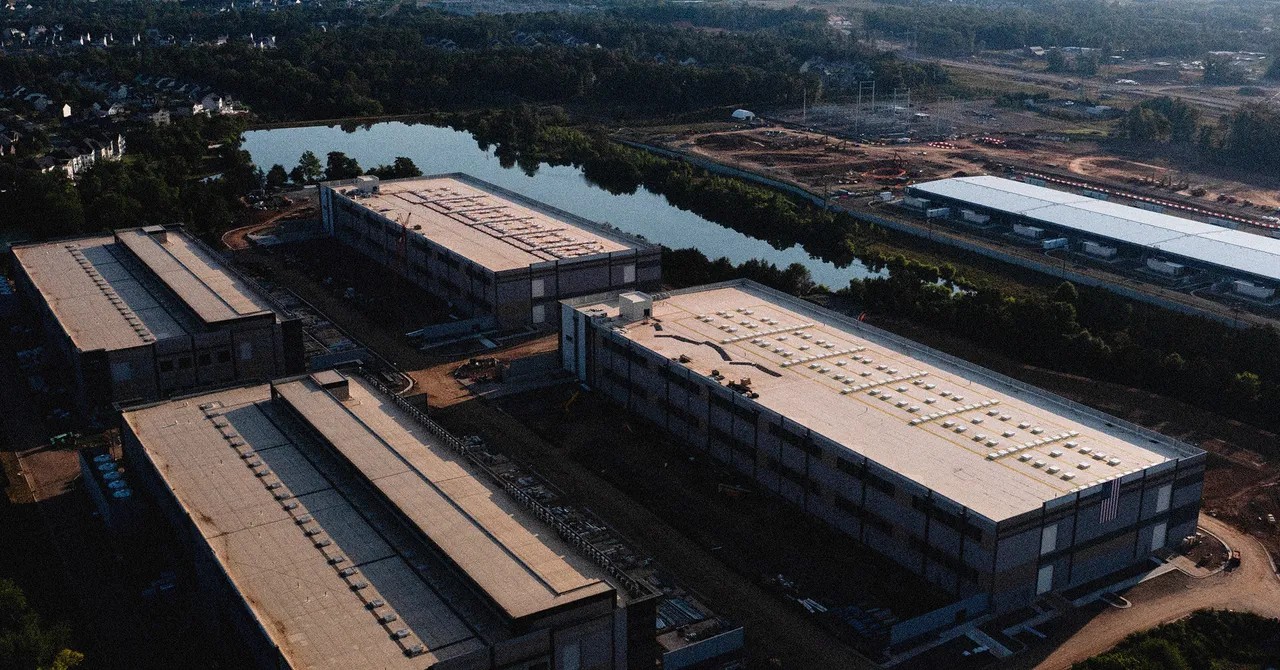
A wave of bipartisan opposition is building across the United States, with New York becoming the latest state to consider a moratorium on new data center development. This follows similar legislative efforts in at least five other states – Georgia, Maryland, Oklahoma, Vermont, and Virginia – signaling a broader trend of scrutiny over the rapid expansion of these energy-intensive facilities.
Rising Concerns Over Energy Use and Environmental Impact
The surge in data center construction is driven by the explosive growth of artificial intelligence (AI) and cloud computing, but this expansion comes at a cost. Lawmakers and advocacy groups are increasingly focused on the strain these facilities place on local power grids, escalating energy costs for consumers, and broader environmental consequences. New York, for example, currently faces 10 gigawatts of pending electric demand from data centers alone, a figure that tripled in just one year.
The backlash isn’t limited to one side of the political spectrum. Senator Bernie Sanders recently called for a national moratorium, arguing that the benefits of technology should be accessible to all, not just a select few. Florida Governor Ron DeSantis has also voiced sharp criticism, questioning whether consumers should subsidize the energy demands of chatbots.
A Bipartisan Movement Gains Momentum
The movement isn’t just theoretical. At least 14 states already have local towns or counties that have paused data center permitting. The legislation being proposed varies, from temporary pauses to more permanent restrictions requiring stricter environmental impact assessments and fair payment for energy usage.
In Virginia, where the industry has a strong foothold, the number of lawmakers advocating for reform has grown from three in 2024 to as many as 13 today. While past legislation was vetoed by the previous governor, the newly elected governor, Abigail Spanberger, appears more receptive to stricter regulations.
Industry Response and Future Outlook
The data center industry is beginning to respond, with companies like Microsoft committing to greater community engagement and transparency regarding energy usage. However, critics argue that these efforts are insufficient. Advocacy groups like Food and Water Watch are pushing for comprehensive reports on the impacts of data centers, arguing that current regulations fail to address the scale of the problem.
The trend suggests that even in states where the industry is deeply entrenched, political pressure is building. Moratoriums may be more likely to pass in regions with less existing data center infrastructure, but the growing momentum could force even major hubs to reconsider their policies.
The pushback against data center expansion reflects a fundamental shift in how policymakers and the public view the costs and benefits of the digital economy. As demand for AI and cloud services continues to rise, the debate over sustainable growth will only intensify.