
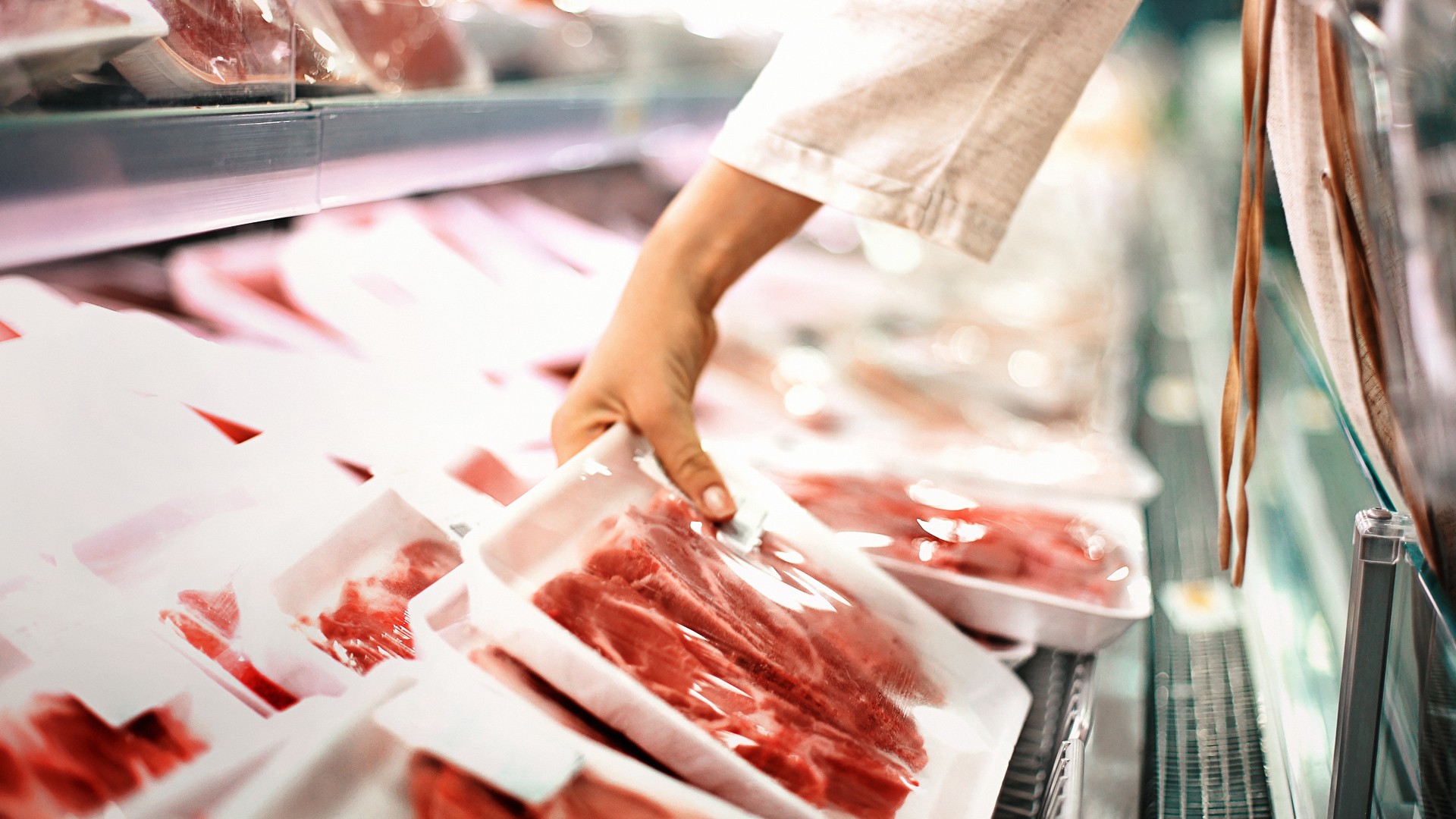
Beef prices are climbing rapidly, with increases significantly outpacing general inflation. If you’re planning barbecues or steak dinners, expect a hit to your wallet. But there are ways to adjust your grocery shopping to minimize the impact.
The Beef Price Spike
According to the U.S. Bureau of Labor Statistics (BLS), beef prices rose by double-digit percentages compared to last year. Here’s a breakdown:
- Uncooked ground beef: Up 15.2% year-over-year.
- Uncooked beef roasts: Up 12.4%.
- Uncooked beef steaks: Up 16.3%.
These increases are well above the overall February inflation rate of 2.4% and the food index inflation rate of 3.1%. The primary driver behind this surge is a historically low U.S. cattle supply, the lowest since the early 1950s. Recent droughts have devastated grazing lands and hay production, forcing ranchers to reduce herd sizes. This reduction in supply, combined with steady demand, pushes prices higher.
The Smart Protein Swap: Eggs
If you’re looking to cut costs without sacrificing protein, eggs are the best alternative right now. Unlike beef, egg prices have fallen sharply. The BLS reports a 42% decrease over the past year, including a 4% drop in February alone. This is due to a recovery in egg supply after previous shortages and a slight decline in consumer demand.
Other Options: Chicken Remains Stable
Chicken prices offer another alternative, but the savings aren’t as dramatic as with eggs. Overall chicken prices rose less than 1% year-over-year in February and even decreased by 0.3% month-over-month. While not as steep a discount as eggs, chicken remains a more affordable option than beef.
The Bottom Line: Beef prices are expected to remain elevated this spring. By switching to eggs or chicken, consumers can significantly reduce their protein costs without sacrificing nutritional value. This price dynamic underscores the importance of flexibility in shopping habits, especially when supply chain disruptions affect key commodities.