


Fire season is here. The flames get the headlines. Los Angeles knows the pain of losing homes to inferno.
But the smoke?
The smoke travels further. It covers more people. And it sneaks into places fires never reach. While Canada and the West burn during summer, the haze chokes the entire country. Cardiac deaths climb. Pulmonologists see record crowds. Smoke isn’t just unpleasant. It’s toxic.
The science is getting grimmer by the year. Wildfire smoke contains particles that are tiny enough to breach lung barriers. Once inside they enter the bloodstream. They can linger in your body for weeks.
We’re talking PM 2.5. Particles smaller than 2.5 micons. These aren’t just annoying. They damage developing lungs. They mess with fertility. They hurt your ability to concentrate. Stroke, heart disease, lung cancer—they’re all in the list of risks.
“It’s all kids,” says Heidi Huber-Stearns of the University of Oregon’s Center for Wildfire Smoke Research. “Even if they aren’t wheezing.”
It’s not just about immunocompromised people or asthma sufferers. Healthy children are vulnerable too. Their lungs are still building themselves. The smoke disrupts that process.
The golden rule? Stay inside near an air purifier. Easy advice if you can actually do it. Some people have to work outside. Some don’t have money for clean air equipment. So how do you cope when the sky turns brown and your throat itches?
Know your air index
Intelligence wins. Haze is the new summer weather in the Western US. The Northeast gets in on the action now too. Canadian fires send their gray blanket across the most populous corridors.
Go to Airnow.gov.
It pulls data from thousands of monitors. It gives you real-time updates. Plug in your zip code. See what’s actually in your breath.
Watch the number.
If the Air Quality Index (AQI) tops 150. Sensitive people—kids, seniors, anyone with lung issues—need to stay off the sidewalks. Consider wearing an N95 respirator if you must go out.
Cross 200?
Red zone. Everyone stays put. Wear masks if forced outdoors. Skip the jogging. Exercise in fresh air. Stay inside where you can filter the breeze.
Build a clean room
Air purifiers work. But you don’t always need a fancy machine.
You can DIY it. Grab a box fan. Find a MERV 13 filter. Duct tape the filter to the front. It’s called a Corsi-Rosental box. It sounds like science fiction. It costs peanuts.
Huber-Stearns confirms basic box fans compete with pricey retail units. Just check the filters. They clog fast in smoke.
Buy filters before the fire starts. Watch out for price gouging. I’ve seen filters triple in price. Don’t pay for convenience.
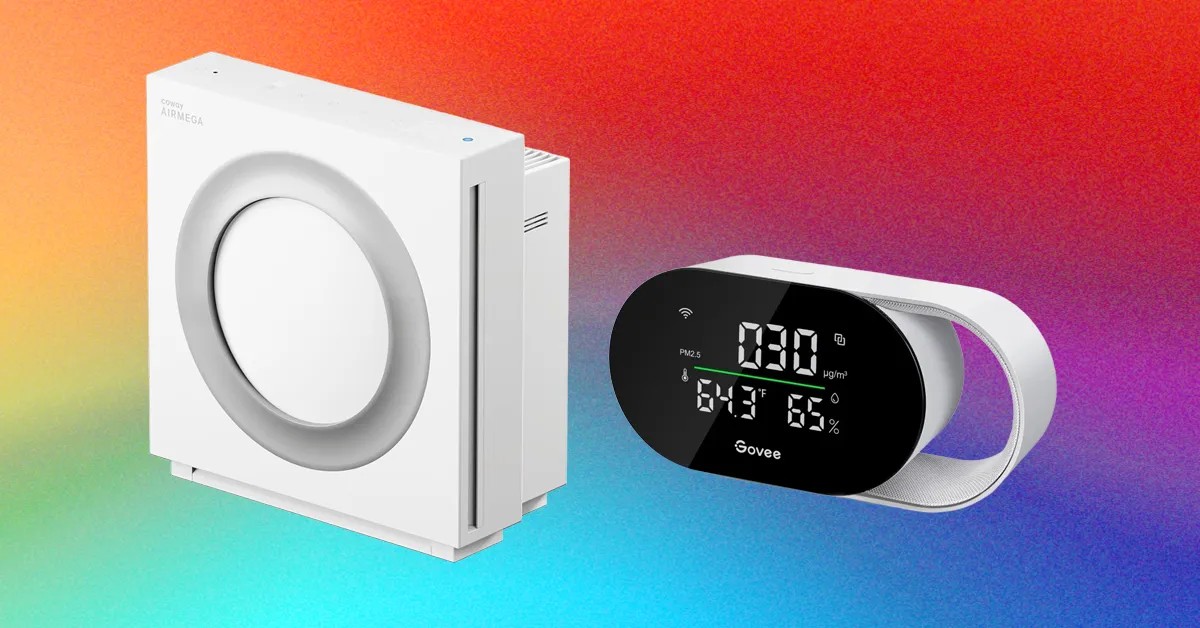
If you have the cash? Splurge on a real machine.
For monitoring. Get an air quality tracker.
The IQ Air Visual Pro is the premium pick. It tracks PM 2.5 and CO₂. It shows you the difference between indoors and outdoors.
On a budget?
GoveeLife makes a $46 monitor. It’s small. It works in the bedroom or living room. It alerts you when particles spike while you sleep. You can’t fix what you can’t measure.
Stop running outside
I know. It’s bad advice to tell a runner to stop running.
But listen to Huber-Stearns: Jogging is the worst thing to do in smoky air.
You breathe harder when you run. Deeper breaths. You pull in ten times more air during peak exertion. That means ten times the soot entering your lungs.
Same rule applies to kids at the park.
Playtime indoors? Boring maybe. Safer definitely. Huber-Stearns takes her family to the library. Why? Quiet. Filtered air. Books. Who knows. Your kid might love the library now.
If you refuse to skip cardio.
Indoor gym with HVAC. Your living room with a purifier. That’s the plan.
Driving with windows down? Mask up.
You might have leftover N95s from 2020.
Check the date. Elastic bands rot over time. The seal fails. A loose mask is useless.
A pack of fifty N95s costs less than $20 these days. Restock.
Tell your kids to keep masks on.
They will take them off.
They are uncomfortable. Kids rebel. It’s human nature. Huber-Stearns warns: stay home if possible. The mask is a last line of defense. Indoor filtration is the first.
Mental health matters too
People forget the stress factor.
Vigilance wears you down.
Check the AQI every hour. Plan around the air. Close every window. It’s exhausting.
Plus. Heat.
Window AC units leak heat. They don’t filter much. But heat stress is a killer. Don’t let your house turn into an oven. Find the balance between clean air and not dying from temperature.
“The mental health impact is very real.”
Huber-Stearns notes this is a newer field of study. It’s easy to miss the toll smoke takes on the mind.
Eight weeks of bad air? It frays your nerves. It taxes your coping mechanisms.
You might get depressed. Irritable. Mean. Isolated because everyone is hiding inside.
Researchers were surprised. They thought they understood smoke. They underestimated the psychological weight.
Recognize it.
If you feel like the world is ending. Maybe the air is killing it for you. That run-down feeling isn’t just sadness. It’s pollution.
Watch your family for the same signs. Trauma from fire or smoke isn’t always dramatic. It’s the quiet erosion of sanity.
Acknowledge it.