


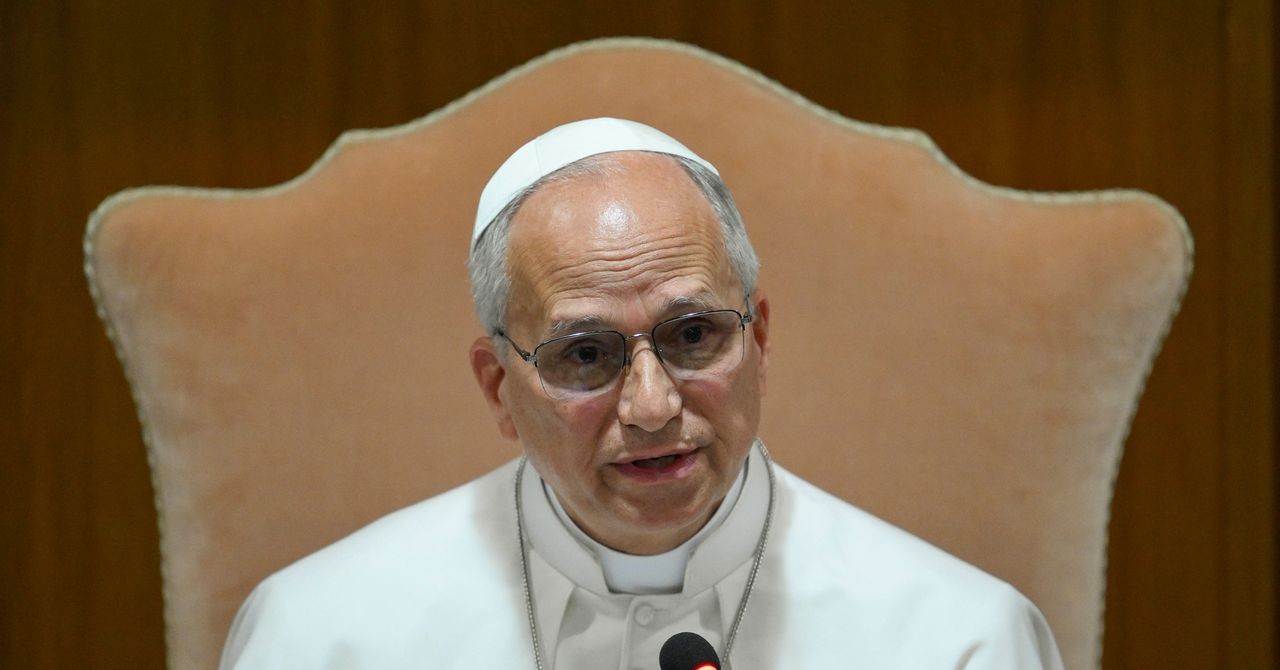
Pope Leo XIV presented his first AI encyclical this Monday. He invited Christopher Olah from Anthropic to speak. Unprecedented. The Vatican is shaking hands with Silicon Valley. Really shaking hands. To get there we have to look at how Anthropic started.
Why Anthropic?
- OpenAI researchers walked away. Dario Amodei and his sister Daniela left to start their own lab. They believed models were getting too powerful. Competition logic doesn’t work anymore. Speed kills nuance.
Anthropic built its brand on AI safety. They want control. Ethical guidance. This leads to Constitutional AI. Imagine a system trained by a constitution of principles, not just patched when it does something dangerous.
How They Converged
It wasn’t accidental. Olah was at the Vatican by design. The Holy See wanted to stop being just a moral observer and start talking directly to the people building the code.
The real work started in 2020. The Rome Call for AI Ethics. The Pontifical Academy for Life teamed up with Microsoft and IBM. Transparency. Inclusion. Accountability. Standard buzzwords, sure, but the context shifted. Fast. ChatGPT exploded. The US and China raced. Big Tech got scary powerful.
The Vatican realized tech ethics was about human survival now. Anthropic fit perfectly. While others chase growth, Anthropic wears “safety” like a badge.
The Pope’s circle watched AI alignment closely.
Olah’s Role
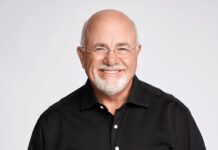
Christopher Olah is the quiet type. Less media noise than the Amodeis. More theory. More philosophy. He studies model interpretability. Basically, trying to peek inside the black box of neural networks.
“Transform neural networks into algorithms understandable to humans.”
That’s his goal. It meshes perfectly with Leo XIV’s worries. Building things too big to understand is risky. Dangerous.
Contacts likely heated up during global AI summits. The Vatican likes companies that admit they can’t fix this alone. The encyclical repeats the point. Tech isn’t neutral. Algorithms carry worldview. Anthropic tries to bake values directly into the model.
Shared fear. Big one. Systems shaped by profit and geopolitics rather than good sense.
Reputation as Product
It’s also business. For Anthropic.
Talking to the Pope boosts credibility. “Ethical AI company” sells trust. Especially now, when AI touches labor, spies, and bombs. Claude, their bot, is built on safety language. Responsibility. Ethics is part of the package.
“Magnificent” Humanity
The encyclical calls humans magnificent. Yet capable of dehumanization. AI isn’t evil. It’s a mirror.
The Pope warns against a new Digital Babylon. Everything reduced to data. Performance. Efficiency. Truth loses.
He hits hard on private power concentration. Transnational actors holding the leash. Who controls the model? Who picks the training criteria?
Olah broke protocol at the presentation. Admitted it. Even ethical companies are trapped in economic and geopolitical incentives. Sometimes those incentives clash with doing right. He said the industry can’t self-regulate. Period.
The 21st Century Hiroshima
The atomic bomb analogy is tired. But relevant. Nukes were state-controlled. AI is private.
That’s the Pope’s main gripe. Technological power now looks corporate.
Both sides—Vatican and AI safety folks—worry about the same thing. Distorted incentives.
Maybe the “Hiroshima of the 22nd century” won’t be a bang. Maybe it’s quiet. Slow automation. Humans outsourcing their thinking. Their choosing. Their relating.
Magnifica humanitas. Could it turn terrible?
We’ll see.