



The editorial team here doesn’t take ads. Ever.
We look at data. Cold numbers. No sugarcoating.
GOBankingRates uses data-driven methodologies. Advertisers do not influence our reviews.
Two decades in the game. Millions trust us. We keep it simple.
The Billion-Dollar Fantasy
Lotteries do two things. First, they fund schools. They patch state budgets. They pay for addiction programs, ironically enough.
Second, they sell you a dream.
It’s a tiny dream. One in a million, they say. In reality? The odds are effectively zero.
But does that stop people? Of course not.
Look at the current Powerball pot. It sits at $1.8 billion. The second-largest drawing in history. It’s hard to argue with that much cash sitting right there. Waiting.
Playing isn’t about logic. It’s about the thrill. The idea that this time, just maybe, all the money problems vanish.
Here’s the catch though. Most players don’t treat it like gambling. They treat it like an investment. That is a dangerous mistake.
Let’s look at the math.
The Math Doesn’t Lie (It Just Doesn’t Care About You)
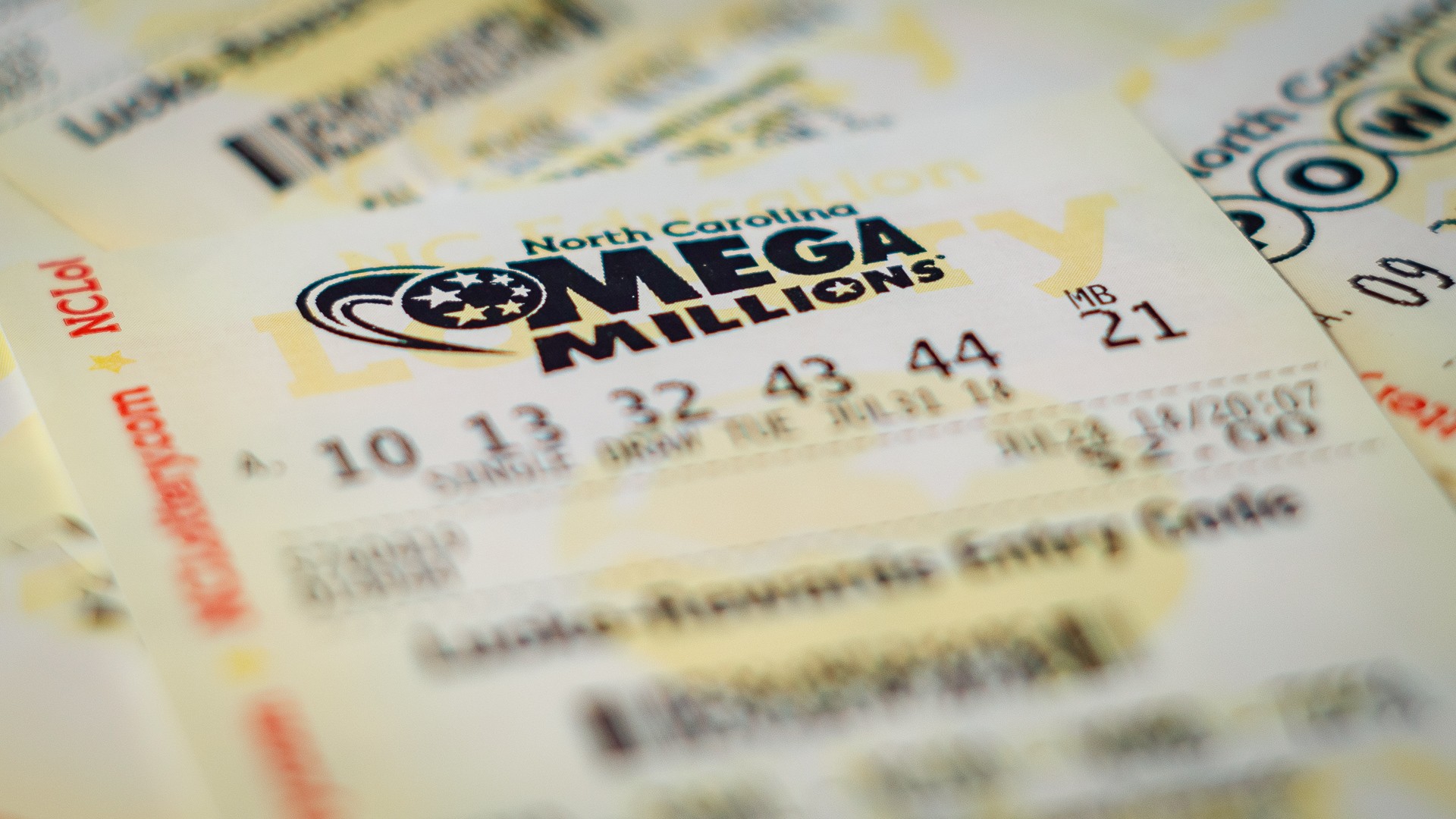
Take Mega Millions. The big one.
Your odds? One in 302 million.
Scared yet? Good.
Now look at a state-only lottery. Like California Super Lotto. Better odds there, supposedly. One in 42 million.
Paper says it’s better. Reality says it’s still nothing.
42 million is still close enough to zero that the distinction doesn’t matter when you’re standing in line at 7-Eleven.
Put this in perspective. The odds of getting struck by lightning are one in 1.2 million. You are statistically more likely to become a lightning rod than to hit the Mega Millions jackpot.
The Equalizer Fallacy
Players love a statistic that feels fair. They’ll tell you your ticket has the same chance of winning as the next guy’s.
Mathematically true.
It also hides the bigger truth.
If the chance is 0.0000003%, and everyone has the same chance, what does that actually mean? It means everyone shares a near-total certainty of losing.
Same odds. Same outcome. Broke.
Shark Attacks Are More Likely
We need perspective. Big picture stuff.
Here is how likely other events are compared to winning the jackpot:
- Getting hurt in the bathroom happens 30,00 times more often. Yes. According to the CDC. Tripping on a toilet brush beats the odds.
- Getting attacked by a shark in the US is 1 in 11.5 million. Still way better than Mega Millions.
- Having a net worth over $1 million? Roughly 1 in 15 Americans already did that through work. Not luck. Work.
People fear sharks. They worry about lightning strikes. They sleep with curtains closed. But they hand over dollars to the state because they think the numbers are “close.”
They aren’t close. They’re light-years away.
Buying More Tickets Just Hurts More
So how do you win?
Buy more tickets.
It’s the only mathematical way to nudge the needle. If you buy two, your odds go from 1 in 3.02 billion to 2 in 3.02 billions.
See the problem?
The “winning” probability is still practically zero.
You are now just throwing money into a black hole twice as fast.
Spend $10 instead of $2 on Mega Millions? Your odds improve slightly. Your wallet shrinks significantly.
You’re increasing the capital risk to chase a ghost. The chance of wiping your savings account clean is exponentially higher than the chance of the lights changing on your ticket.
It’s a losing strategy. Disguised as a math trick.
The Real Jackpot is the Stock Market
Want to play with the house odds and actually win?
Stop playing the lottery.
Start investing in the S&P 500.
It feels risky to the lottery buyer. It feels scary. But the data says otherwise. The S&P 500 has never lost money over a 20-year period. Ever.
Annual returns exceed 10%.
That means your money doubles every seven years. Roughly.
Run the numbers.
Put $15 a day into the S&P. That’s $450 a month.
Leave it alone. Do nothing. Just wait.
After 30 years? Your expected nest egg is over $1 million.
Compare that to the lottery route.
You’d spend $162,002 on tickets in those 30 years. You’d likely win nothing. You’d have zero assets. And you’d have bought a bunch of paper with dreams printed on it.
Nothing wrong with a ticket for fun. Entertainment has its price.
But using it as financial planning?
That’s just bad math.
Play the odds that actually pay off.