



The technology landscape is shifting rapidly, marked by significant changes in how major platforms handle user data, security breaches in education, and the evolving regulatory environment for artificial intelligence. Below is a breakdown of the most critical developments shaping the week.
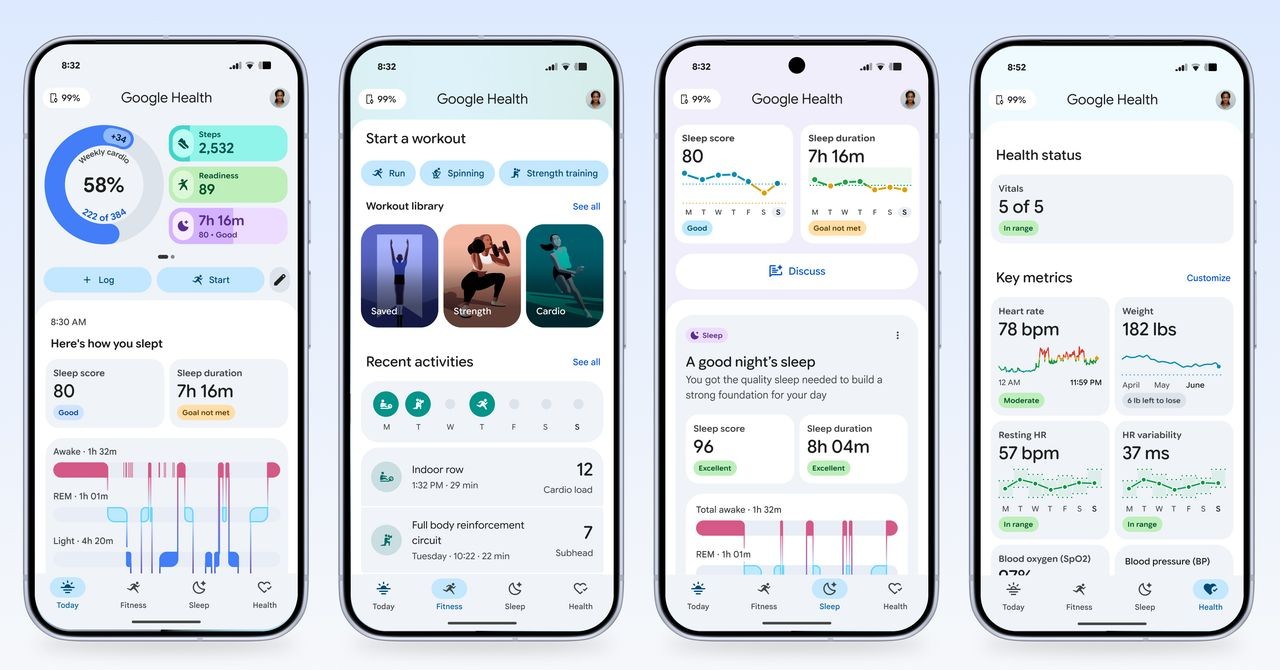
The Fitbit App Becomes ‘Google Health’
Google is consolidating its health ecosystem by rebranding the Fitbit app to Google Health. This move signals a broader strategy to integrate fitness tracking with general health data management.
- What’s changing: The Fitbit app will carry the new name, serving as the central hub for health and fitness metrics.
- What’s disappearing: Google Fit, the company’s standalone fitness app, will be officially sunset by the end of the year.
- Why it matters: This consolidation aims to create a unified user experience, allowing users to manage health data from various sources in one place rather than navigating multiple fragmented apps.
Canvas Hack Paralyzes Schools Nationwide
A significant cyberattack has disrupted education across the United States. Hackers identifying themselves as ShinyHunters breached Instructure, the company behind the popular learning management system, Canvas.
- The Impact: Instructure was forced to shut down access to the Canvas platform, paralyzing thousands of schools on Thursday.
- The Threat: This incident highlights the growing vulnerability of education technology infrastructure to ransomware and data theft, raising urgent questions about data security for students and educators.
Microsoft’s Early Skepticism of OpenAI Revealed
New evidence from the trial between Elon Musk and Sam Altman has shed light on Microsoft’s internal dynamics regarding its investment in OpenAI.
- The Revelation: Internal communications suggest that Microsoft executives were skeptical of OpenAI’s direction in 2018.
- The Strategic Worry: Despite their doubts, Microsoft leaders were deeply concerned about the possibility of OpenAI partnering with rival Amazon. This fear of competition likely drove the initial investment and subsequent partnership, illustrating how strategic positioning often outweighs internal skepticism in big tech.
Chrome’s Embedded AI: Privacy Concerns and User Control
Google’s decision to embed a 4-GB AI model (Gemini ) directly into the Chrome browser has sparked privacy debates among users.
- The Reaction: Many users were caught off guard by the size of the model and its implications for local data processing.
- User Agency: While the integration aims to enhance AI capabilities within the browser, users concerned about privacy can disable or uninstall the feature. However, experts suggest that doing so may limit access to advanced AI-driven functionalities within Chrome.
Policy and Society: AI Regulation and Public Health
Beyond tech products, broader societal and political trends are emerging:
- AI Regulation: Reports indicate the Trump administration is considering an executive order to establish federal oversight for new AI models. This pivot suggests a growing recognition of the need for regulatory frameworks to manage AI risks.
- Hantavirus Context: While a hantavirus outbreak aboard an Atlantic cruise ship has raised alarms, health experts emphasize that the virus is not easily transmitted through casual contact. This distinction is crucial for preventing unnecessary panic while maintaining appropriate hygiene standards.
- DOGE and Defense Tech: A young engineer formerly associated with the Department of Government Efficiency (DOGE) is now leading a defense tech startup called Blitz Industries. This transition highlights the fluid movement of talent between government-focused initiatives and private defense sectors.
Practical Tech Tips: Lighting and Diabetes Detection
- Home Office Lighting: For those struggling with poor lighting in mixed-use home offices, simple adjustments can significantly improve video call quality without requiring major renovations.
- Diabetes Detection: Current tools for detecting diabetes, such as blood glucose tests, may not be sufficient for early detection in all populations. Newer tools are in development to address these gaps, aiming for more inclusive and accurate diagnostic methods.
In summary: The week’s developments underscore a trend toward consolidation in health tech, heightened security concerns in education, and a complex interplay between skepticism and strategy in AI partnerships. As technology becomes more embedded in daily life, user control and data security remain paramount.