




The latest wave of consumer technology and automotive news reveals a landscape defined by rapid innovation, regulatory friction, and practical consumer guidance. From BYD’s aggressive push into premium electric vehicles to growing concerns over autonomous driving safety, these stories highlight the complex balance between technological ambition and real-world reliability.
The EV Market: Speed, Safety, and Competition
The electric vehicle sector is experiencing intense competition, characterized by breakthroughs in charging technology and significant recalls. BYD’s Denza Z9 GT has emerged as a standout, capable of charging its battery in just nine minutes—a feat that underscores the rapid advancement of fast-charging infrastructure. However, the premium pricing strategy for this model raises questions about market accessibility and consumer value in a crowded segment.
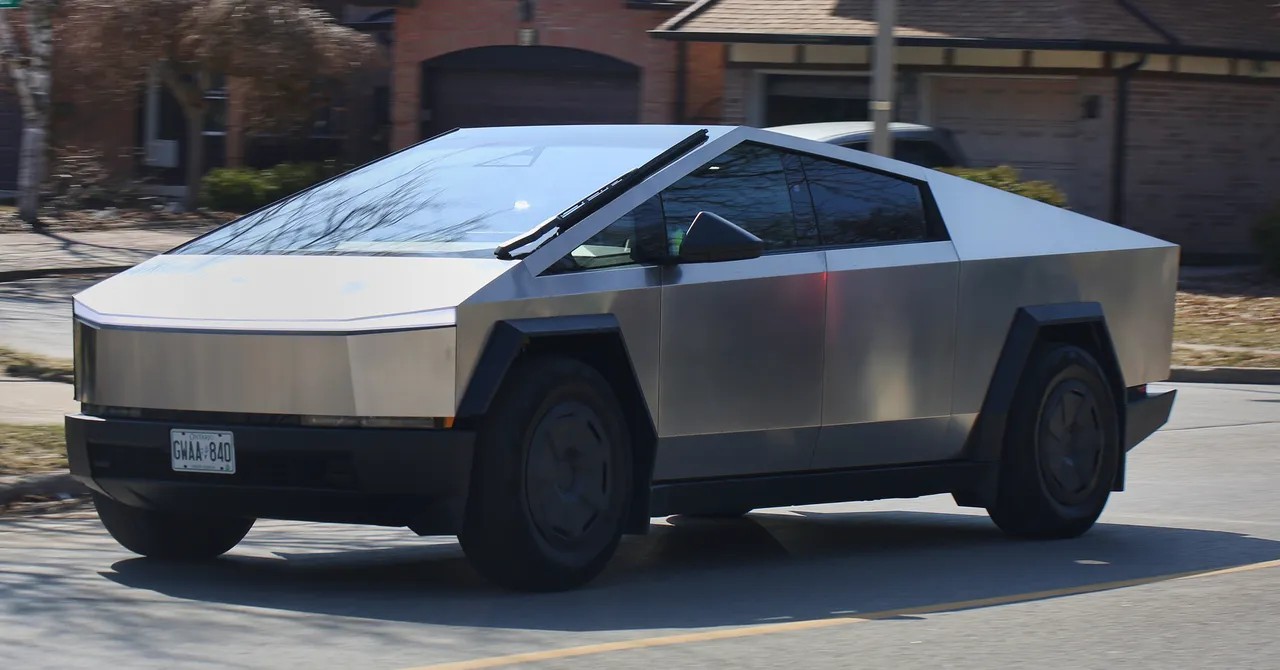
Conversely, safety concerns continue to plague major manufacturers. Tesla has issued a recall for Cybertrucks due to the risk of wheels detaching, highlighting the engineering challenges inherent in radical vehicle designs. Meanwhile, Hyundai is entering the fray with the Ioniq 3, an urban EV boasting 300 miles of range and a hatchback aesthetic. Its success will depend on whether it can outpace established competitors like BYD and secure a foothold in the US market.
The race for EV dominance is no longer just about range; it is increasingly defined by charging speed, build quality, and competitive pricing.
Autonomous Driving: Growing Pains for Waymo
While hardware advances, software and deployment strategies face scrutiny. Waymo, a leader in autonomous ride-hailing, is facing criticism from emergency first responders who report that the vehicles’ performance is deteriorating. Police officials have alleged that the technology was scaled too quickly, deploying hundreds of units before they were fully ready for complex real-world scenarios. This suggests a critical tension between corporate growth targets and public safety standards, raising questions about regulatory oversight in the autonomous vehicle industry.
Consumer Tech and Home: Practical Solutions
Beyond the automotive sector, consumers are seeking reliable tools for home maintenance and lifestyle enhancement. For new homeowners, mastering essential power tools is crucial for DIY repairs and renovations, reducing reliance on professional services and saving costs. Similarly, robotic pool cleaners are becoming indispensable for maintaining water quality with minimal effort, with brands like Beatbot offering competitive deals as summer approaches.
In the kitchen, indoor composters are gaining traction as households seek odor-free, convenient ways to manage food waste responsibly. These devices represent a shift toward sustainable urban living, allowing residents to handle organic disposal without the hassle of traditional composting.
Luxury and Niche Markets: Watches and E-Bikes
The luxury watch industry continues to push boundaries with innovative materials and ambitious projects. TAG Heuer has introduced new Formula 1 watches powered by polylight, a solar-driven technology that eliminates the need for manual winding. Meanwhile, Bremont is taking horology to extraterrestrial heights, attaching its Supernova Chronograph to a rover destined for the Moon’s surface later this year. These moves emphasize brand prestige and technical prowess over pure functionality.
In the cycling world, a growing issue is the lack of repairability for electric bikes. Many shops are hesitant to service e-bikes from dubious manufacturers due to safety risks and lack of certification. This trend highlights the need for standardized, third-party certified components to ensure consumer safety and product longevity.
Conclusion
From the high-stakes world of autonomous driving and electric vehicles to practical home solutions and luxury innovations, this roundup illustrates a market driven by rapid change. Consumers are increasingly tasked with navigating complex trade-offs between cutting-edge technology, safety, and long-term value.