




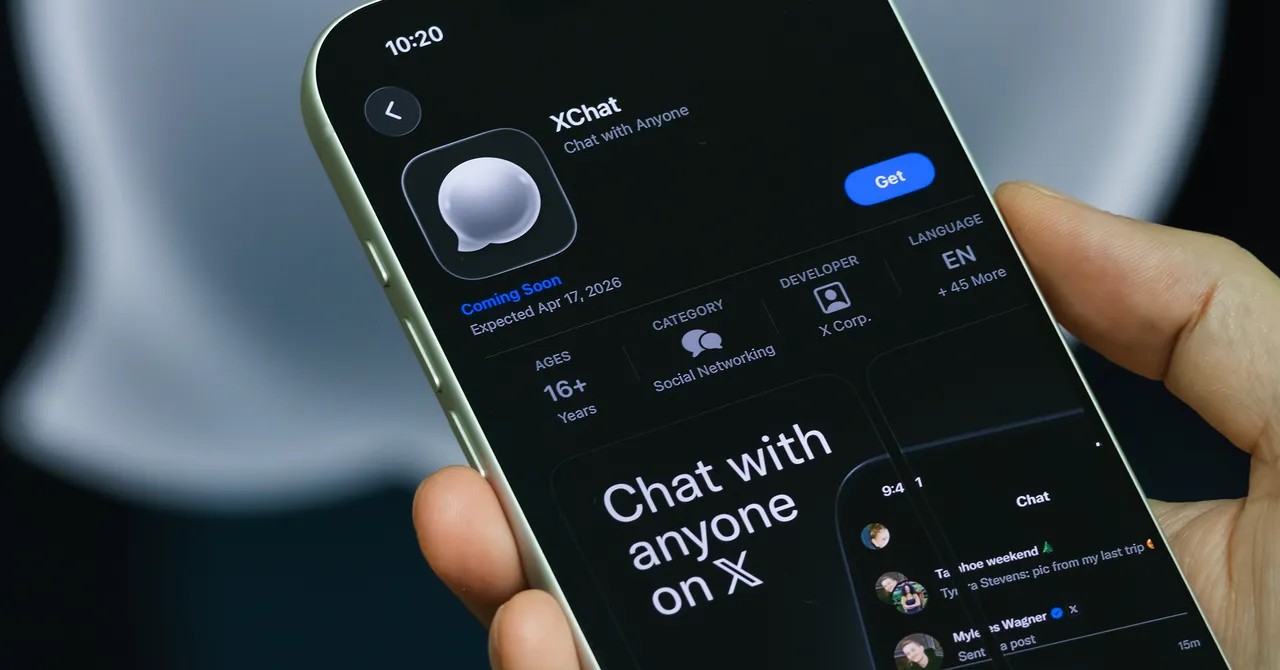
Elon Musk has officially launched XChat, a standalone messaging application designed for users of the X social media platform. While Musk has positioned the app as a superior, highly secure alternative to industry leaders like Signal, WhatsApp, and Telegram, early feedback from security experts and initial user experiences suggest a much more complicated reality.
The Security Debate: Claims vs. Reality
Upon launch, Musk took to social media to criticize established messaging giants, claiming that XChat is the “only secure, encrypted messaging app” on the market. However, cybersecurity professionals are urging caution.
The primary concerns raised by experts include:
– Centralized Key Storage: Unlike Signal, which stores cryptographic keys on the user’s device, XChat reportedly stores these keys on X’s own servers. This architectural choice is a significant “red flag” for privacy advocates, as it potentially creates a central point of vulnerability.
– Data Linking: To use XChat, users must link an existing X account. Privacy experts, including Maria Villegas Bravo of the Electronic Privacy Information Center, warn that connecting these data points allows for more intensive user tracking.
– Lack of Independent Auditing: Experts from the Electronic Frontier Foundation (EFF) have noted that until XChat undergoes a thorough, third-party security audit, its claims of “total privacy” remain unproven.
A Haphazard Launch
The rollout of XChat has been characterized by technical glitches and scheduling confusion. The app’s release date on the Apple App Store shifted multiple times throughout April, and the launch was inconsistent across different geographic regions, such as the US and the UK.
Furthermore, the pre-launch period saw a surge in “scam apps” —unrelated applications with similar names—climbing the download charts, which may have confused potential users.
User Experience: An “Insular” Ecosystem
Beyond the technical security concerns, XChat faces a massive hurdle: utility. For most users, a messaging app is only as good as its contact list. Because XChat is tied strictly to the X ecosystem, users can only message people who already have an account on the platform.
In practice, the app feels less like a revolutionary new communication tool and more like a niche extension of a social media site. Key observations from early testing include:
– Limited Feature Set: Features like “block screenshots” are not enabled by default and must be manually toggled for every new conversation.
– Confusing Privacy Documentation: While the app’s landing page claims “No tracking,” the fine print indicates that data such as contacts, identifiers, and usage patterns are still linked to the user.
– Integration Over Independence: Much like Facebook’s Messenger, XChat is deeply intertwined with its parent platform. Navigating the app often leads users back to the main X app or the general X Help Center, rather than providing a seamless, independent experience.
The Verdict: Where Does XChat Fit?
The comparison Musk draws between XChat and Signal may be fundamentally flawed. Signal and WhatsApp are built as primary communication tools for the general public, whereas XChat appears to be a secondary feature for those already deeply embedded in the X social media network.
“If you want good security, use Signal. If you want to reach everyone, use WhatsApp. If your whole life is based around X, I guess this is better than nothing.” — Cooper Quintin, Senior Staff Technologist at the EFF
Conclusion
XChat enters a crowded market not as a direct competitor to privacy-first giants, but as a specialized tool for the X community. Until it proves its security through independent audits and expands its utility beyond the X user base, it remains a secondary option for most consumers.