




Minimalism isn’t just a design trend for Google. It’s their survival strategy.
This year, they slashed the herd. No more confusing tiers. Just one speaker. Two displays. That’s it. The old Nest Audio? Gone. The Nest Mini? Deleted. In June 2026, they dropped the Google Home Speaker. Yes. That exact name. From 2016? Yes. That too.
But don’t blink.
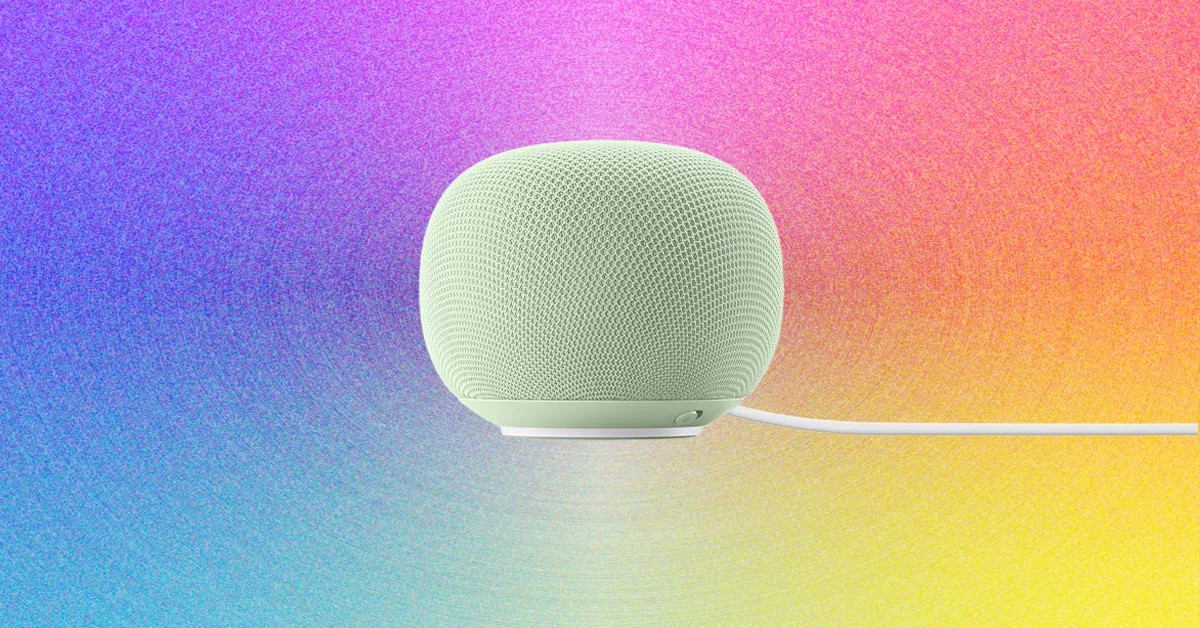
It looks like an Apple HomePod mini had a baby with a rainbow marshmallow. Small, tall, surprisingly loud. It’s the only game in town if you want fresh Google audio hardware. And it comes wrapped in a new software shell called Google Gemini for Home.
Wait. Is it worth it?
Probably. Here’s the breakdown.
The Only Game in Town: Google Home Speaker (2025 Model)
If you buy a Google speaker in 2026 you’re buying this. There is no other choice.
The name is retro but the tech isn’t. It’s got a single 58-mm driver. You’d think one tiny speaker would lack oomph. You’d be wrong. The bass hits hard enough to surprise you, especially for its size. It replaced two older products by simply being better at being one product.
And the voice? Gemini sounds almost unnerving. It flows. It breathes. It answers questions with the kind of detailed, paragraph-heavy explanations that make you question if you’re talking to a human or a very patient librarian. Ask it about Vegemite expiration dates, and you get a dissertation on shelf stability and mold risks. It’s thorough. Maybe too thorough.
There’s a mode called Gemini Live. It’s a subscription feature, though your new speaker comes with six months free on the standard Google Home plan. Say “Hey Google, let’s chat” and the AI stops answering questions. It starts having a conversation. I tried it. It held up. My kids’ development. TV shows. Mundane stuff. It worked. I just didn’t miss it after testing stopped.
The hardware interface is… tactile. Touch controls for volume. But here’s the catch. No lights to show you where you are until you tap. Tap right to go up. Left to go down. You need the power cord plugged in as your compass because there’s no orientation marker on the top. It’s annoying. Then it becomes muscle memory.
Tap the top again? Pauses music. Simple enough.
The Display That Refused to Die: Nest Hub Max
Google rarely updates displays. It shows.
The Nest Hub Max is from 2019. Nine years ago in tech terms, that’s a prehistoric era. Yet? It still works. It’s actually great.
Why? Photos.
Turn your smart speaker into a digital frame. Upload 15GB to Google Photos. That’s the whole account limit mind you, so check your Drive first. Once done? Your photos appear. No separate uploading. No hoops. It shares them instantly. I love that part.
The screen is 10 inches. Big enough for recipes while you chop onions. It streams video. It video calls. The camera is 6.5 megapixels with a wide angle lens that catches the whole living room.
The audio? Meh.
Two 10-watt tweeners and a 30-watter. It lacks the deep bass thump of the new Home Speaker. But for news? Background podcasts? It’s fine. It doesn’t need to be an audiophile device when it’s holding your memories.
“Minimalism in design is just laziness with good PR. Google calls it a streamlined lineup. I call it not wanting to build inventory for three different boxes.”
What is Google Gemini for Home, Actually?
Until this year, your Google speaker talked to Google Assistant. It was robotic. Brief. Useful.
Now? Google Gemini for Home.
It’s the same engine behind those AI summaries at the top of Search results, but built for the house. It’s free. Yes. Unlike Amazon’s Alexa+ which demands money from day one, Google lets you use Gemini for basic tasks for zero dollars.
The diction is different. More natural. More voices to pick from. But there’s a wall. A digital toll booth.
Want the good stuff? Want Gemini Live without the six-month trial? Want your security cameras to save video history instead of deleting it after three days? You pay.
There are two plans:
- Standard ($10/month, $100/year) : Gets you 30 days of video history for events like faces or packages. Includes Gemini Live. Adds an AI tool that helps you build smart routines automatically.
- Advanced ($20/month, $200/year) : The full meal deal. 60 days event history. 10 days of continuous 24/7 recording. Descriptive notifications so you don’t have to click every alert. Daily summaries. Gemini Live is still included here too, but honestly, you have it in the cheap tier already.
Most people won’t need the advanced tier unless they’re paranoid or run a daycare center out of their living room. The standard plan is where the value sits. If you own a Nest camera? The math might work out. If not? Stick with free.
Does My Old Speaker Still Work?
Good news. You probably don’t need to throw anything away.
Google rolled out Gemini to almost everything. Bad news? Not everything gets Gemini Live. Even if you subscribe, the older hardware chokes on the continuous chat mode. It can answer questions, sure. It won’t hold court.
Here’s who’s invited to the party:
- Google Home (2015/2016) : Gets Gemini. No Live.
- Google Home Mini : Gets Gemini. No Live.
- Google Home Max : Gets Gemini. No Live.
- Nest Mini : Gets Gemini. No Live.
- Nest Audio : Gets Gemini AND Gemini Live.
- Nest Hub (2018) : Gets Gemini AND Gemini Live.
- Nest Hub Max (2019) : Gets Gemini AND Gemini Live.
- Nest Hub 2nd Gen : Gets Gemini AND Gemini Live.
- Google Pixel Tablet : Neither. Surprise? No surprise.
And the big one. The 2026 Google Home Speaker. It gets it all. The sound, the looks, the free six-month trial for the fancy AI features.
It’s a small list. A tiny lineup. Maybe too small?
Maybe not. Maybe less noise means we finally pay attention to the things that are there.
I’m waiting for a new display. It might not come. The Nest Hub Max isn’t broken. Why fix it?
We’ll see. The light on top blinks green when I wake up. I ask Gemini the weather. It tells me to take an umbrella. Not because of data alone, but because it noticed my pattern from last Tuesday.
It’s smart. A little intrusive. But smart.
What else do you really need?