



A decade ago, buying a gaming laptop was often a compromise. You were forced to choose between a machine that was thick, loud, and impractical, or one that lacked the raw power of a desktop PC. In 2026, that trade-off has largely vanished.
Today, gaming laptops have evolved into sophisticated machines that rival desktop performance while maintaining sleek, portable designs. Whether you are a student looking for a portable powerhouse or a hardcore enthusiast seeking a mobile workstation, the current market offers a diverse range of specialized hardware.
💎 Premium Design: The “MacBook” Aesthetic
The era of bulky, neon-lit “gamer” laptops is fading. The modern trend favors minimalism, high-quality materials, and subtle branding.
- The Gold Standard: Razer Blade Series
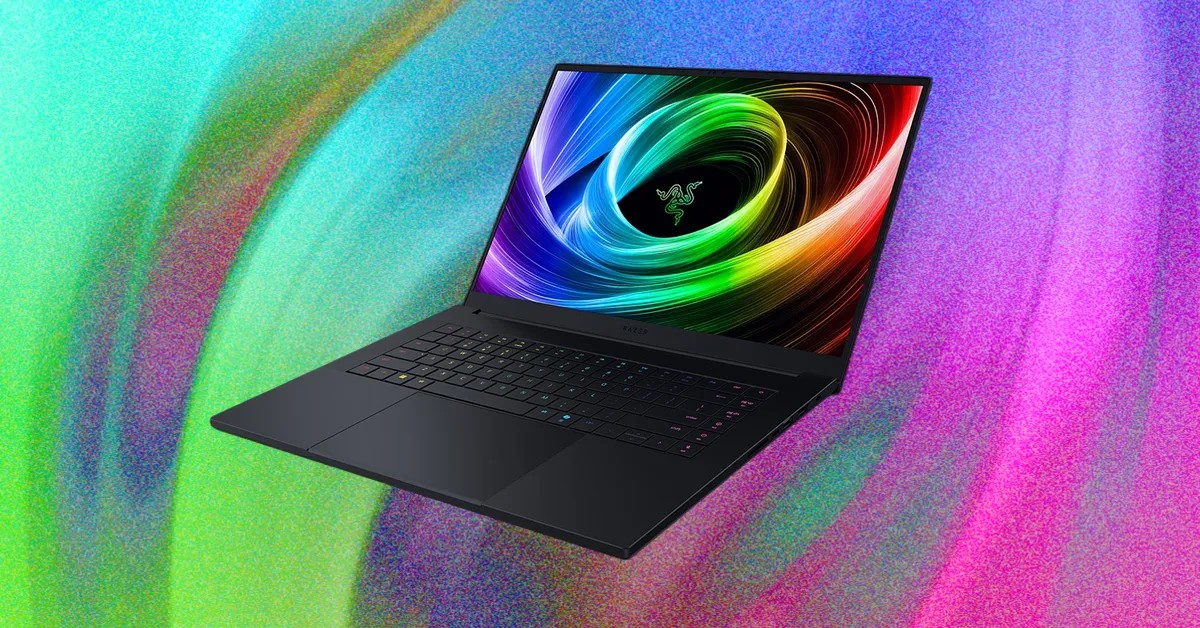
The Razer Blade 16 remains the benchmark for premium gaming. With its machined aluminum chassis and thin bezels, it offers a sophisticated look that fits in a boardroom as easily as a gaming den. Despite its slim profile, it can house the powerhouse RTX 5090 GPU. For those needing portability, the Blade 14 offers a more compact, travel-friendly alternative with impressive performance from the RTX 5060/5070 series. - The High-End Rivals: Asus ROG Zephyrus
Once seen as budget alternatives, the Asus ROG Zephyrus G14 and G16 have matured into premium contenders. They rival Razer in build quality and feature stunning high-resolution OLED displays, making them excellent choices for users who want elite performance without the Razer price tag. - The Visual Powerhouse: Lenovo Legion 7i Gen 10
If your priority is visual immersion, the Legion 7i stands out. Its glossy OLED display can reach over 1,000 nits of brightness, delivering exceptional HDR performance that makes modern games feel incredibly lifelike.
💰 Best Value: Performance on a Budget
While “cheap” and “gaming” don’t often go together due to the high cost of specialized components, there are clear winners for those watching their spending.
- The Best Entry Point: Lenovo LOQ 15
For roughly $1,000, the Lenovo LOQ 15 is the most reliable recommendation. It strips away unnecessary “fluff” to focus on essential performance, often providing better value for an RTX 5060 configuration than more expensive competitors. - The Ultra-Budget Option: Acer Nitro V 16
If your budget is even tighter, the Acer Nitro V 16 (featuring an RTX 5050) is a viable choice. However, be aware of its limitations: the screen quality is lower, and the power supply can struggle to keep up during intense “Performance mode” sessions.
⚠️ Pro Tip: Avoid older models like the RTX 3050 or 4050 if possible. Because GPU generations move quickly, these older cards will lose relevance much faster and may require replacement sooner than newer hardware.
🚀 Experimental & Specialized Form Factors
The market is currently seeing a surge in “non-traditional” gaming hardware that breaks the standard clamshell mold.
2-in-1s and Tablets
- Asus ROG Flow Z13: A true “Surface Pro for gamers,” this 2-in-1 tablet keeps the heat away from your hands by placing the components behind the screen, making it one of the most compact high-performance devices available.
- Asus ROG Zephyrus Duo: An upcoming dual-screen powerhouse that pushes the boundaries of how much screen real estate a laptop can offer.
Content Creation & Hybrid Use
- Lenovo Yoga Pro 9i & Asus ProArt P16: These are designed for creators but feature discrete GPUs that handle gaming beautifully.
- Dell XPS 14: While not a dedicated gaming rig, its integration of Intel X7 graphics allows it to run AAA titles like Cyberpunk 2077 at medium settings—a feat previously impossible for non-gaming laptops. It is the ideal choice for users who prioritize battery life and professional aesthetics.
📊 Summary of Top Recommendations
| Category | Model | Best For… |
|---|---|---|
| Ultra-Premium | Razer Blade 16 | Luxury build and top-tier power |
| Best Value | Lenovo LOQ 15 | Most bang for your buck near $1,000 |
| Extreme Power | MSI Titan 18 HX | Desktop replacement (huge & heavy) |
| Portability | Asus ROG Flow Z13 | Tablet-style gaming |
| Hybrid/Work | Dell XPS 14 | Professional use with light gaming |
🛠️ Buying Guide: What to Look For
When navigating the technical specifications, focus on these three pillars to ensure longevity:
- RAM: 16GB is the new minimum. If you plan on playing the latest AAA titles, aim for 32GB to avoid bottlenecks.
- CPU: Look for the latest generations (e.g., Intel Core Ultra 200HX or AMD Ryzen 9000 series) to ensure your processor doesn’t limit your graphics card.
- GPU: Always prioritize a discrete GPU (like the Nvidia RTX 50-series) over integrated graphics for a true gaming experience.
Conclusion
The gaming laptop market in 2026 is no longer a compromise of performance for portability. By choosing a device that aligns with your specific balance of power, budget, and mobility, you can find a machine that serves as a legitimate alternative to a desktop PC.