



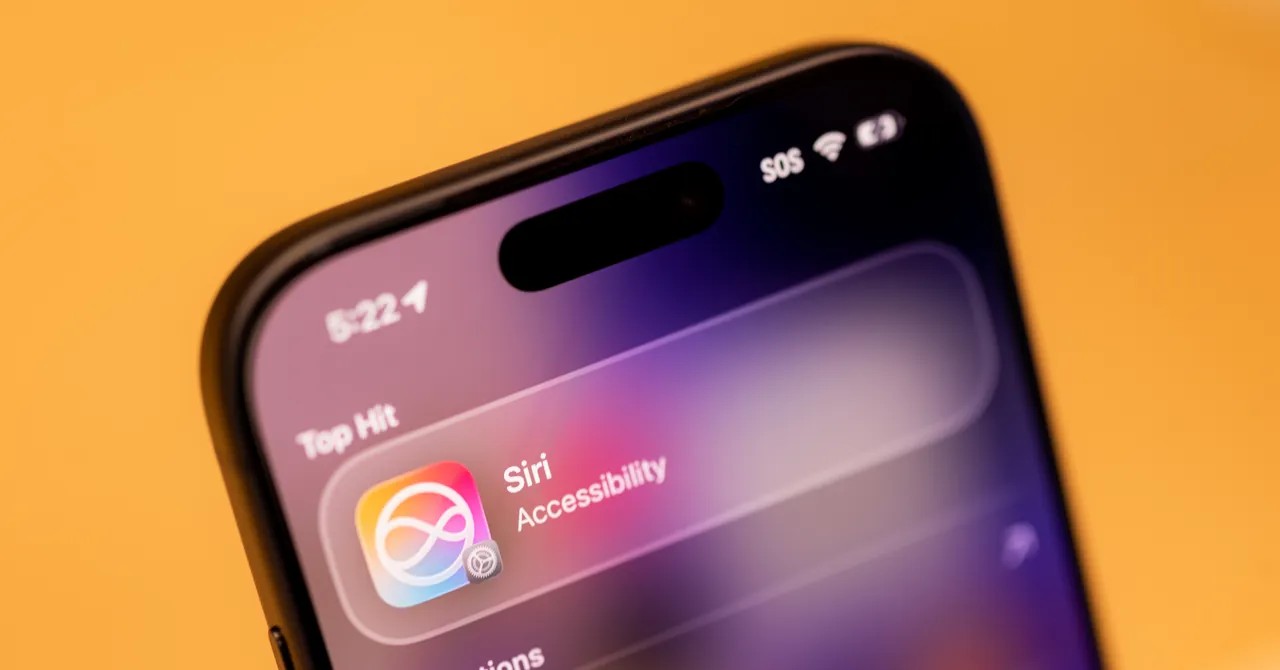
Apple has agreed to pay $250 million to resolve a class-action lawsuit alleging that the company misled consumers by advertising advanced AI features for Siri that were not yet available. This settlement, one of the largest in the tech giant’s history, addresses claims that customers purchased iPhone 15 and 16 models based on promises of an “Enhanced Siri” overhaul that failed to materialize at launch.
The agreement comes at a critical juncture for Apple, just ahead of its June developer conference, where the company is expected to unveil its first significant updates to the digital assistant. While the settlement does not constitute an admission of guilt, it underscores the intense pressure Apple faces to deliver on its “Apple Intelligence” branding amidst growing skepticism about the pace of its AI development.
The Core of the Dispute
The lawsuit, filed in federal court in California, argues that Apple engaged in deceptive advertising. Plaintiffs contend that between June 10, 2024, and March 29, 2025, the company saturated the market with promotions highlighting Siri’s new AI capabilities. These features were originally announced at the 2024 Worldwide Developers Conference (WWDC) but were not fully functional when the corresponding iPhone models hit store shelves.
According to court documents, the Better Business Bureau’s National Advertising Division previously found that Apple’s claim that Apple Intelligence was “available now” was misleading. In reality, the updated Siri features were not ready at launch. It was not until March 2025 that Apple publicly acknowledged to consumers that these enhanced features would be delayed indefinitely.
“The Settlement also reflects that Apple anticipates delivering additional Siri Apple Intelligence features in future software updates at no additional cost.”
What Consumers Get
The proposed settlement establishes a $250 million common fund for eligible US customers. To qualify, claimants must have purchased an iPhone 15 or iPhone 16 within the specified window.
- Base Compensation: Successful claimants will receive a presumptive payment of $25 per device.
- Potential Increase: Depending on the specific details of the claim, this amount can increase to as much as $95 per device.
- Future Features: The settlement acknowledges that Apple plans to roll out the promised Siri improvements in future software updates free of charge.
The final approval of the settlement rests with a federal judge. Until then, the terms remain subject to legal scrutiny.
A Pattern of Legal Challenges for Siri
This $250 million payout marks the second major financial hit for Apple related to its voice assistant in recent years. In May of last year, the company agreed to pay $95 million to settle a separate class-action lawsuit alleging that Siri inadvertently recorded and transmitted private conversations without user consent.
These consecutive lawsuits highlight the risks associated with marketing cutting-edge technology that is still in development. For Apple, the Siri issue is particularly sensitive because the assistant has long been criticized for lagging behind competitors in natural language processing and contextual awareness.
The Race to Catch Up
Apple has publicly acknowledged that its AI ambitions are facing hurdles. In a statement to Daring Fireball in March 2025, spokesperson Jacqueline Roy admitted that developing a more personalized Siri—one capable of understanding personal context and taking actions across apps—would take “longer than we thought.”
The company confirmed that these features are anticipated to roll out “in the coming year.” This delay prompted Apple to pull high-profile advertisements, including one starring actor Bella Ramsey, which showcased a version of Siri capable of answering complex, context-heavy questions like, “What’s the name of the guy I had a meeting with a couple of months ago at Cafe Grenel?”
Marni Goldberg, an Apple spokesperson, told The New York Times that the company resolved the matter to “stay focused on doing what we do best, delivering the most innovative products and services to our users.” She emphasized that Apple has already introduced “dozens of features across many languages” as part of the Apple Intelligence suite, even if the Siri-specific upgrades remain pending.
Why This Matters
This settlement is more than just a legal formality; it is a signal of the growing gap between AI marketing and AI reality. As tech companies race to integrate generative AI into their ecosystems, consumers are increasingly sensitive to unfulfilled promises. Apple’s decision to settle for a record sum suggests a strategic choice to avoid prolonged litigation that could distract from its upcoming product launches.
However, the case raises broader questions about accountability in the tech industry. When companies sell hardware based on software features that are not yet ready, where does the line between “roadmap” and “misrepresentation” lie? For now, Apple has paid the price for its optimism, but the real test will be whether the Siri updates arriving in the coming year can justify the hype—and the $250 million tab.