




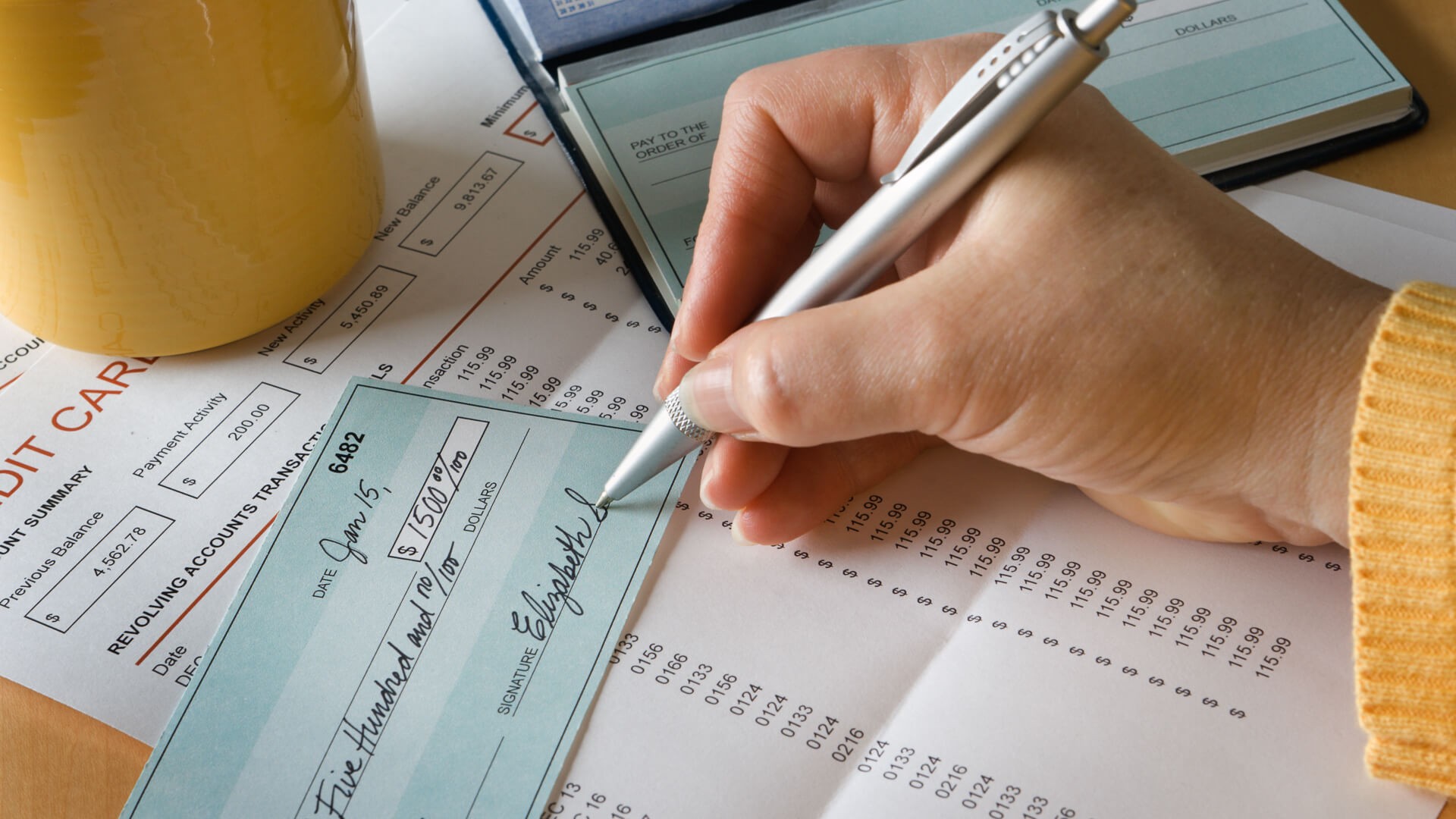
A bounced check is more than just a failed transaction; it is a financial hiccup that can trigger a domino effect of fees, damaged reputations, and administrative headaches. Whether you are the person writing the check or the one trying to deposit it, understanding the mechanics of a “returned item” is essential for maintaining healthy banking habits.
What Exactly Is a Bounced Check?
In simple terms, a bounced check is a paper instrument that a bank refuses to honor. While most people associate this with having an empty bank account, it is not the only reason a payment might fail.
It is important to distinguish between two common banking scenarios:
* NSF (Non-Sufficient Funds): The bank rejects the check because there isn’t enough money to cover it. This often results in a “returned item fee.”
* Overdraft: The bank decides to pay the check anyway, even though you don’t have the funds. This pushes your account into a negative balance and typically triggers an “overdraft fee.”
Why Do Checks Fail?
While insufficient funds are the primary culprit, several other factors can cause a bank to reject a check:
- Account Issues: The account may be closed, or a “stop payment” order may have been placed on that specific check.
- Timing Errors: A postdated check (one written for a future date) or a stale check (typically one older than six months) may be declined.
- Administrative Errors: Mismatched signatures, incorrect amounts, or errors in the payee’s name can lead to a rejection.
- Endorsement Problems: If the back of the check is not signed correctly according to bank requirements, it cannot be processed.
The Hidden Costs: Fees and Consequences
A single bounced check can become expensive very quickly. You aren’t just dealing with the original amount owed; you are facing a potential “fee stack.”
1. Financial Penalties
- Bank Fees: Institutions may charge NSF or returned-item fees. According to the FDIC, overdraft fees can average around $35 per transaction.
- Merchant Fees: The person or business you were trying to pay may also charge you a penalty fee for the failed payment.
2. Impact on Your Banking Reputation
While a single bounced check rarely appears on a standard credit report, it can damage your banking history. Agencies like ChexSystems track your relationship with financial institutions. A pattern of bounced checks or unpaid overdrafts can make it significantly harder—or more expensive—to open new checking accounts in the future.
3. The Risk of Collections
If an unpaid debt resulting from a bounced check is ignored, it may be sent to a collection agency. Once a debt enters collections, it can negatively impact your credit score.
How to Handle a Bounced Check
If you wrote the check:
1. Act Immediately: Deposit enough funds to cover the original amount and any pending fees.
2. Communicate: Contact the recipient right away. Explain the error and offer a reliable alternative payment method (like a debit card or money order) to rebuild trust.
3. Document Everything: Keep records of when you replenished your account and when you repaid the recipient to protect yourself against future disputes.
If you received the check:
1. Verify the Status: Confirm with your bank that the item was indeed returned.
2. Re-evaluate the Payer: Contact the person who wrote the check to resolve the balance.
3. Watch for Fees: Be aware that some banks may charge you a fee for depositing a returned item.
Proactive Prevention Strategies
The best way to manage bounced checks is to ensure they never happen in the first place. Consider these habits:
- Maintain a “Buffer”: Keep a small amount of extra cash in your checking account to absorb unexpected timing issues between deposits and withdrawals.
- Set Low-Balance Alerts: Use your bank’s mobile app to notify you when your balance hits a certain threshold.
- Track Pending Transactions: Remember that “available balance” is different from “actual balance.” Pending debit card holds can eat into your funds before you realize it.
- Use Modern Alternatives: To eliminate the risk of “stale” or “insufficient” checks, consider using ACH transfers, payment apps, or money orders, which offer more immediate certainty of funds.
Summary: A bounced check is a manageable error if addressed immediately, but left unchecked, it can lead to compounding fees and long-term difficulty accessing banking services.
Conclusion: Preventing bounced checks requires active monitoring of your account and maintaining a cash cushion. By prioritizing digital payments and low-balance alerts, you can avoid the costly cycle of NSF fees and protect your banking reputation.