



The escalating conflict involving Iran has moved beyond regional military strikes, triggering a domino effect that threatens the fundamental pillars of global trade and stability. From the potential disruption of vital waterways to the fragility of nuclear safety and the rising costs of consumer goods, the implications of this crisis are far-reaching and deeply interconnected.
The Strait of Hormuz: A Chokepoint Under Pressure
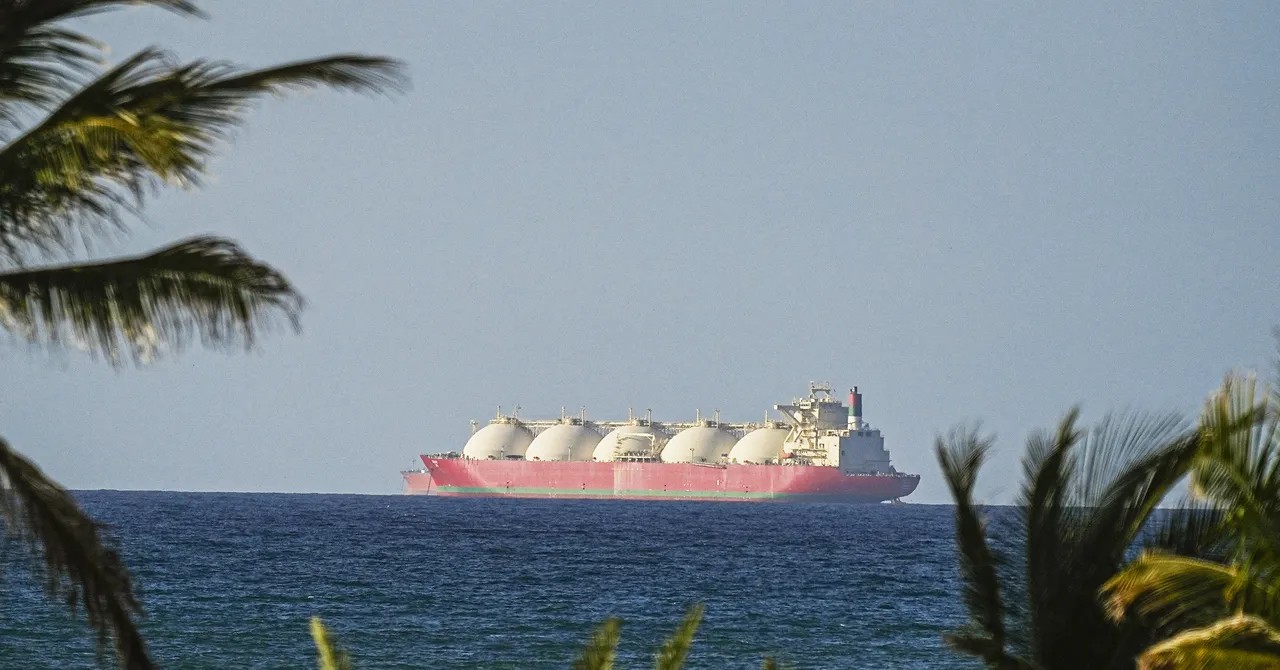
The Strait of Hormuz serves as one of the world’s most critical maritime chokepoints. As conflict intensifies, shipping through this waterway has reached a near standstill, creating a massive bottleneck for global energy markets.
- Shipping Paralysis: The halt in movement is not just a logistical delay; it is a systemic disruption. Even if the Strait were to reopen immediately, experts warn that global shipping networks will take months to recover from the backlog and redirected routes.
- The Human Cost: A breakdown in international maritime protocols has left crews stranded. Vessels are increasingly being abandoned, exposing a “broken system” that fails to protect the people responsible for moving the world’s goods.
- Supply Chain Chaos: Logistics leaders, including Flexport CEO Ryan Petersen, have warned that stranded cargo is a direct driver of global inflation.
Energy Markets and the Inflationary Spiral
The war is acting as a massive catalyst for price volatility, particularly in the energy sector. With oil prices already seeing significant surges, the economic impact is beginning to migrate from industrial sectors to everyday consumers.
The Airline Industry as an Economic Indicator
The aviation sector is often the first to feel the impact of energy crises. Airlines are already implementing “belt-tightening” measures in response to doubling oil prices.
* Travel Costs: Rising jet fuel prices are directly impacting ticket costs, threatening to disrupt summer travel plans globally.
* The “Canary in the Coal Mine”: Analysts view the airline industry’s reaction as a precursor to broader economic shifts; if airlines struggle to manage fuel costs, other consumer-facing industries will likely follow.
Critical Infrastructure and Environmental Risks
Beyond the movement of goods, the conflict poses severe risks to the physical infrastructure that sustains life in the Gulf region.
Nuclear and Water Security
The targeting of nuclear facilities introduces a risk profile that extends far beyond the immediate blast zone.
* Nuclear Safety: The primary concern is not the strike itself, but the potential failure of critical safety systems. A failure in these systems could lead to environmental catastrophes that transcend national borders.
* Desalination Vulnerability: Much of the Gulf relies on desalination for fresh water. While these systems have layers of redundancy, they require continuous, uninterrupted operation to remain viable. A prolonged disruption could threaten the water security of millions.
The Digital and Technological Battlefield
As physical warfare intensifies, the “invisible” infrastructure of the modern world is also under attack.
- Satellite Warfare: The conflict is being fought in orbit as well. Satellite data—essential for navigation and intelligence—is being delayed, spoofed, or manipulated. This lack of reliable data creates a fog of war that makes de-escalation more difficult.
- GPS Vulnerabilities: The crisis highlights existing weaknesses in global positioning systems. Reports indicate that the U.S. military’s next-generation GPS control software has faced decade-long delays, leaving a critical piece of technological infrastructure in a state of uncertainty.
- The Power Grid Strain: Simultaneously, the global race for AI development is placing unprecedented pressure on energy grids, particularly in Europe, as data centers demand massive amounts of power, forcing utility operators to find increasingly complex ways to manage load.
The crisis in Iran is not merely a regional conflict; it is a systemic shock hitting the energy, maritime, and digital infrastructures that underpin the modern global economy.
Conclusion
The convergence of energy volatility, maritime disruption, and technological instability suggests that the ripple effects of this conflict will be felt long after the immediate military actions cease. The world is facing a period of prolonged economic adjustment as global systems struggle to adapt to a high-risk environment.