



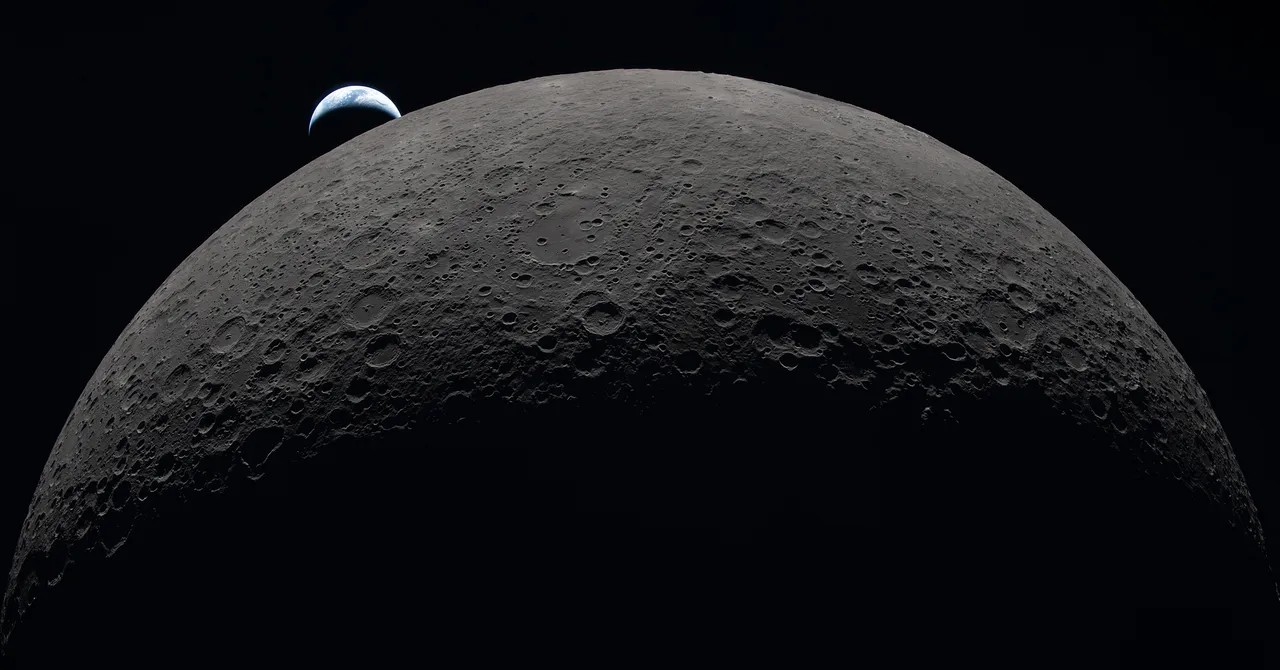
The upcoming Artemis II mission represents a pivotal moment in human spaceflight, pushing the boundaries of distance, speed, and biological endurance. While the mission is not designed for a lunar landing, it serves as a high-stakes dress rehearsal for the next era of deep-space exploration.
Breaking Records and Pushing Boundaries
The Artemis II crew is set to embark on a trajectory that will take them approximately 10,300 kilometers beyond the Moon. This distance will shatter all previous records for human travel away from Earth. This isn’t just a feat of navigation; it is a critical test of how human life and complex machinery hold up in the deep lunar environment.
The mission’s significance is underscored by the diversity of its crew. For the first time in history, the lunar journey will include:
– The first woman to travel to the lunar environment.
– The first Black person to head toward the Moon.
– The first non-American astronaut to participate in these deep-space maneuvers.
The Engineering Challenges of Deep Space
Space is a hostile environment, and Artemis II is designed to test our resilience against its many variables.
1. Environmental Hazards
The Moon is constantly bombarded by space debris. During the mission, astronauts have already observed the effects of this reality, witnessing six meteorite impacts on the lunar surface. These impacts are powerful enough to generate visible light, reminding us that the lunar surface is a dynamic, high-energy environment.
2. Technical Glitches and Human Realities
Despite the advanced nature of the mission, the crew has faced very “human” technical hurdles. From testing critical life-support systems to the more mundane—yet vital—task of repairing the spacecraft’s toilet, the mission highlights the unpredictable nature of long-duration flight. Even digital infrastructure is not immune; reports indicate that mission commanders have faced standard software issues, such as Microsoft Outlook failures, proving that even in deep space, basic connectivity remains a challenge.
3. The High-Stakes Reentry
Perhaps the most critical phase of the mission is the return to Earth. The crew will hit the atmosphere at 32 times the speed of sound. This phase is historically where space programs succeed or fail; a single error during reentry can result in the total loss of a mission. The success of Artemis II’s splashdown is the ultimate litmus test for the safety of future lunar landing missions.
Beyond the Crew: The Broader Context of Space and Tech
The Artemis program is part of a larger push to turn the Moon from a distant object into a functional outpost. NASA is already looking toward long-term sustainability, including plans to deploy nuclear reactors on the Moon to provide consistent power. These missions aim to solve fundamental mysteries about the Moon’s composition and history, transforming it from a “barren rock” into a scientific frontier.
However, the complexities of these missions are mirrored by struggles in terrestrial technology. The difficulty of managing complex systems is evident in the $8 billion GPS software crisis within the US Military, where next-generation control systems remain non-functional a decade after their intended completion. This serves as a reminder that whether in orbit or on the ground, the integration of sophisticated software and hardware remains one of humanity’s greatest engineering hurdles.
Conclusion
Artemis II is more than a flyby; it is a rigorous stress test of the hardware, software, and human capacity required for permanent lunar presence. The mission’s success will determine whether humanity is truly ready to move beyond Earth’s orbit and inhabit the solar system.