




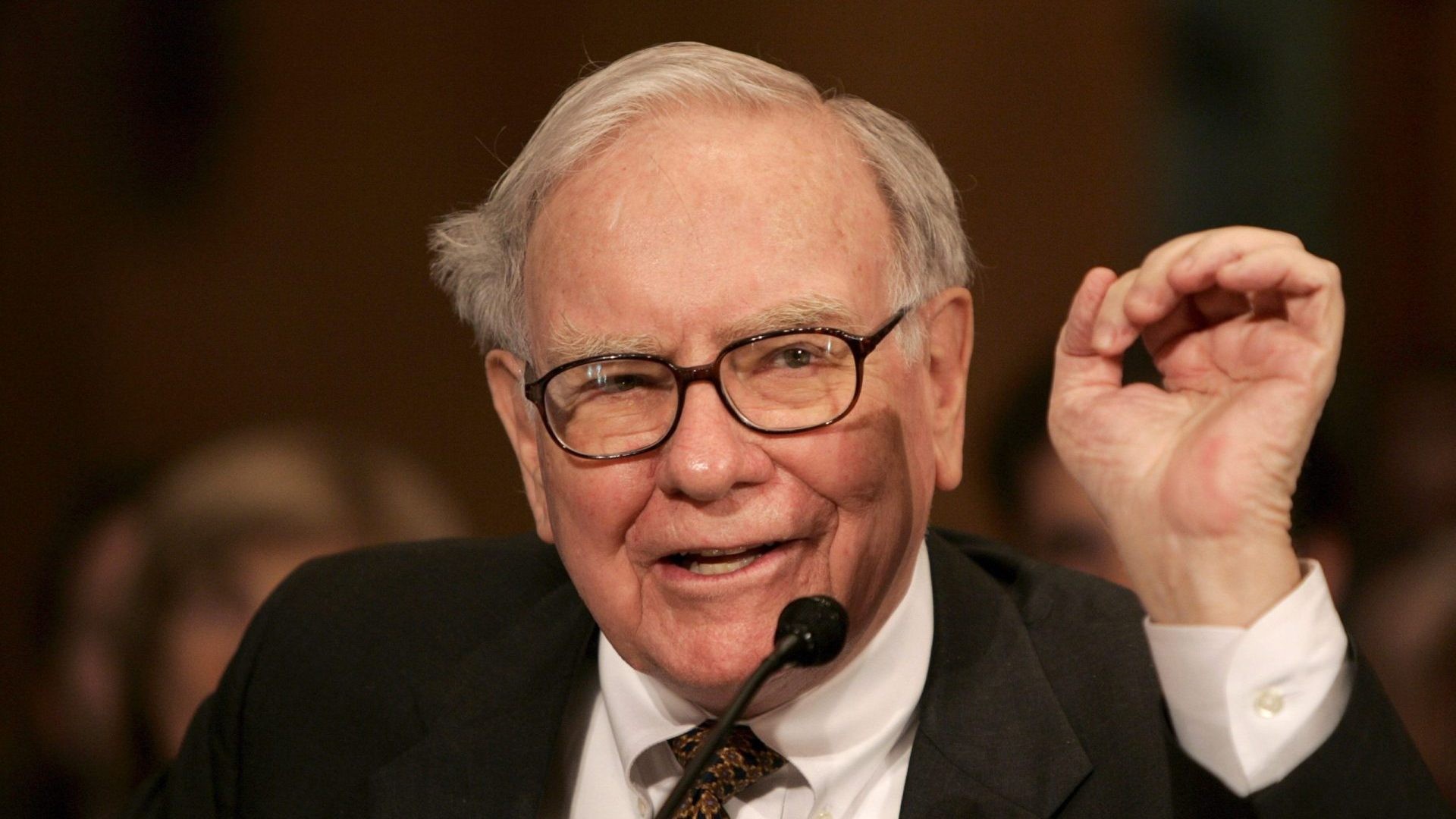
Warren Buffett, often called the “Oracle of Omaha,” has built a financial empire worth billions by following a philosophy known as value investing. Rather than chasing market hype, Buffett focuses on buying assets that are priced lower than their actual worth and holding them for the long haul.
While his scale of wealth is extraordinary, the principles he uses are remarkably accessible. By analyzing the strategies of successful entrepreneurs like Bryan Clayton (CEO of GreenPal) and Steve Davis (CEO of Total Wealth Academy), we can distill Buffett’s wisdom into six actionable rules for anyone looking to build wealth.
1. Diversify Your Income Streams
Relying on a single paycheck is a significant financial risk. If that one source of income disappears due to layoffs, economic shifts, or company restructuring, your entire livelihood is compromised.
“Never depend on a sole source of income; always invest to create a second.” — Warren Buffett
As Steve Davis noted, relying on a single employer leaves you at the mercy of their decisions. Building a “side hustle” or a secondary income stream provides a safety net that protects you from volatility.
2. Prioritize Cash-Flowing Assets
Not all investments are created equal. While stocks and precious metals can grow in value, they do not inherently “pay” you while you hold them. Buffett’s strategy emphasizes income-producing assets —things that generate regular, predictable cash flow.
Common examples include:
– Real Estate: Rental properties that provide monthly income.
– Businesses: Ownership stakes in companies that distribute profits.
The goal is to move away from purely speculative assets and toward investments that actively contribute to your liquid wealth.
3. Commit to Continuous Learning
Buffett famously advises investing in what you know, but he also stresses the importance of expanding that knowledge. To succeed in investing, you cannot remain stagnant; you must become an expert in your chosen field.
Success often comes to those who treat education as a lifelong pursuit. Whether it is mastering real estate laws or understanding market cycles, knowledge is the foundation of informed decision-making.
4. Invest in Your Own Human Capital
Perhaps the most resilient asset you possess is yourself. Unlike physical property or currency, your skills and abilities cannot be lost to inflation or stolen by others.
Buffett suggests that the best investment is any endeavor that develops your professional abilities. By becoming “exceptionally good” at a specific skill, you increase your earning potential in a way that is entirely tax-free and permanent.
5. Adopt a Long-Term Perspective on Money
Wealth building requires a mental shift in how you perceive value. Instead of looking at the immediate cost of an item, successful investors look at opportunity cost.
Bryan Clayton highlights a powerful mindset shift: viewing $100 not just as a hundred dollars, but as the future value that $100 could become through compounded growth. When you view money through the lens of what it could become in ten years, you are less likely to spend it on fleeting, short-term gratifications.
6. Practice Strategic Frugality
Wealth is not just about how much you earn, but how much you keep. Despite his massive net worth, Buffett is famously frugal, maintaining a modest lifestyle and making disciplined consumer choices.
Frugality in this context isn’t about deprivation; it is about efficiency. By minimizing unnecessary expenses, you free up more capital to be put into the “engine” of your investments. The more money you keep, the more power you have to let compounding work in your favor.
Conclusion
Building wealth is less about luck and more about discipline. By diversifying income, focusing on cash flow, and relentlessly investing in your own knowledge, you can transition from working for money to making your money work for you.