



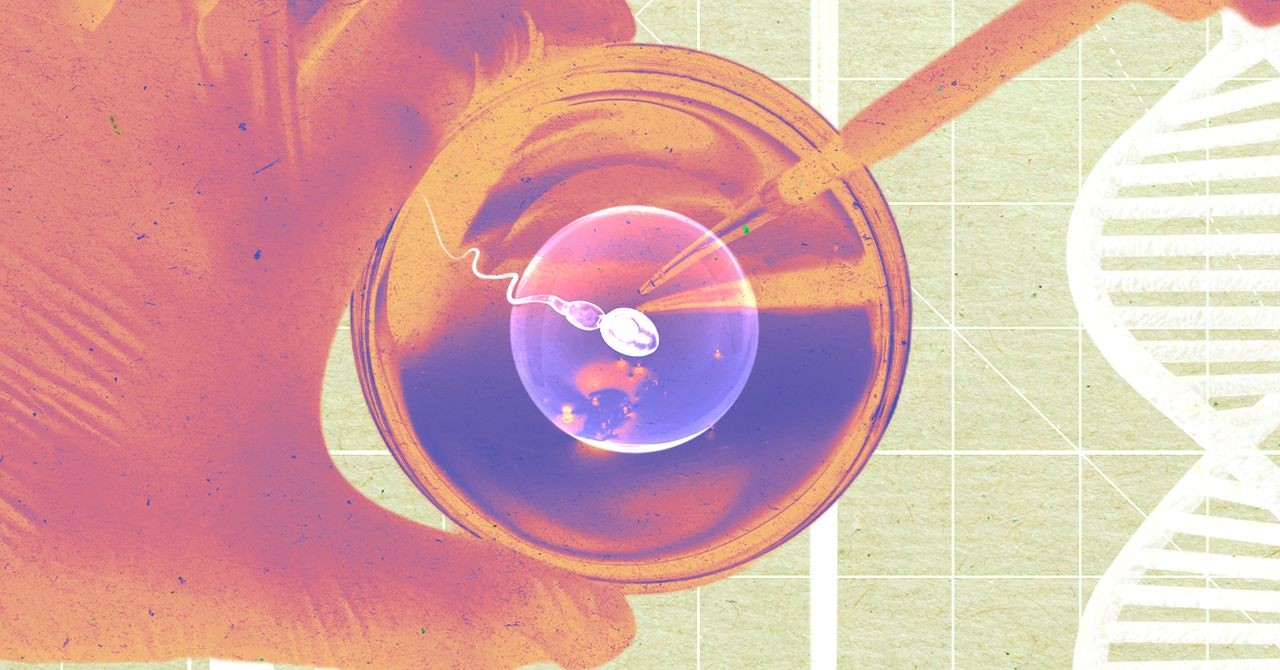
A Utah-based startup, Paterna Biosciences, has announced a significant milestone in reproductive biotechnology: the successful creation of functional human sperm in a laboratory setting. Most importantly, the company claims these lab-grown sperm were used to develop visibly healthy embryos, marking a potential turning point for men facing severe infertility.
While these findings have not yet undergone peer review or independent verification, the implications for reproductive medicine are profound.
The Science of In Vitro Spermatogenesis
The process, known as in vitro spermatogenesis, involves a complex biological journey. In a natural setting, sperm-forming stem cells undergo a rigorous maturation process within the testicles, involving meiosis to reduce chromosomes to 23 and the development of physical structures like tails for motility.
Paterna’s approach differs from previous attempts by focusing on the “instructions” required for this transformation:
- Stem Cell Isolation: Instead of trying to culture entire testicular tubules, the team isolates specific sperm-making stem cells.
- Computational Modeling: Using computational biology, researchers identified the precise molecular signals (growth factors) needed to guide these cells through each stage of development.
- Precision Cocktails: By testing various combinations of molecules, they developed a specific “cocktail” that mimics the healthy microenvironment of the human body, coaxing the stem cells into mature, swimming sperm.
“We’ve figured out the instructions that are needed to teach these stem cells to become mature, normal sperm,” says Alexander Pastuszak, CEO of Paterna and a board-certified urologist.
Addressing the “Zero Sperm” Challenge
To understand why this matters, one must look at the current landscape of male infertility. While many issues involve low sperm count or motility, roughly 10% to 15% of infertile men suffer from a complete absence of sperm in their ejaculate.
For these men, traditional options are limited:
1. Surgical Retrieval: Surgeons can attempt to find sperm in testicular tissue under general anesthesia, but this is invasive, time-consuming, and often fails.
2. Standard IVF: This is ineffective if no viable sperm can be found or retrieved.
Paterna’s technology aims to bypass these hurdles. Rather than an invasive four-hour surgery, the company proposes a simple testicular tissue biopsy performed in a doctor’s office. This tissue is then sent to the lab, where the stem cells are nurtured into thousands of viable sperm.
Looking Ahead: Safety, Ethics, and Access
The company is moving toward a comprehensive study to compare lab-grown sperm against naturally occurring sperm. This study will evaluate fertilization rates and, crucially, check for genetic abnormalities or mutations that might result from the artificial process. If successful, clinical trials to initiate pregnancies could begin as early as next year.
Beyond infertility, this technology holds potential for:
* Cancer Survivors: Boys undergoing chemotherapy before puberty may be able to use this method to produce sperm from preserved tissue, a more viable alternative to experimental transplants.
* Future Gametogenesis: While Paterna focuses on sperm, broader research into in vitro gametogenesis (using skin or blood cells) could eventually allow same-sex couples to have biological children.
The Hurdles Ahead
Despite the scientific excitement, two major challenges remain: validation and cost.
First, the medical community must confirm that lab-grown sperm are genetically stable and safe for long-term human development. Second, there is the issue of accessibility. With fertility treatments often excluded from insurance coverage, the projected cost of $5,000 to $12,000 per procedure may remain a significant barrier for many families.
Conclusion: If validated, Paterna’s ability to manufacture sperm from stem cells could transform reproductive medicine, offering a biological lifeline to men who previously had no path to fatherhood.