




A luxury cruise ship bound for Spain’s Canary Islands has become the center of a rare and deadly health crisis after an outbreak of hantavirus left three passengers dead. While the incident has triggered international concern and contact tracing efforts across multiple countries, health officials emphasize that the immediate risk to the general public remains low. Unlike highly contagious respiratory viruses such as influenza or SARS-CoV-2, this specific strain of hantavirus spreads primarily through close, prolonged contact rather than casual exposure.
The Andes Virus: A Different Kind of Threat
The outbreak occurred aboard the MV Hondius, where World Health Organization (WHO) Director-General Tedros Adhanom Ghebreyesus confirmed eight cases of hantavirus, including three fatalities. The strain identified is known as the Andes virus, which is endemic to Argentina—the ship’s point of departure.
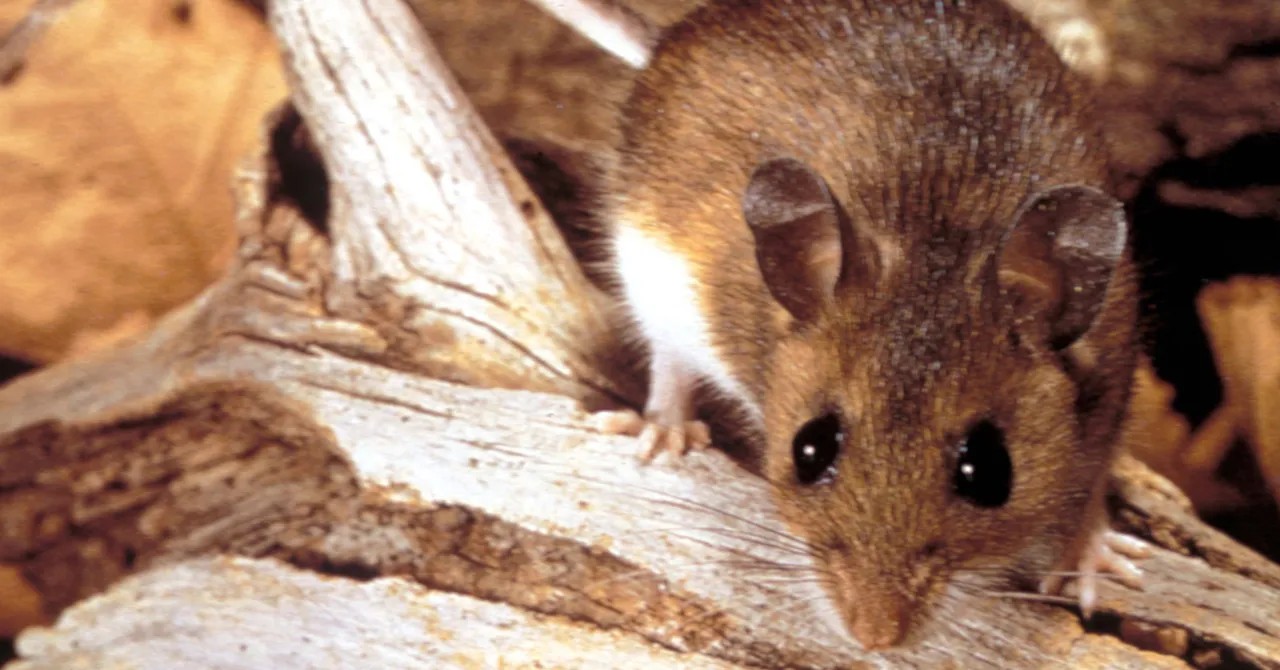
What makes this outbreak distinct is the transmission method. Most hantaviruses are transmitted to humans through inhalation of aerosolized rodent urine, droppings, or saliva. However, the Andes virus is one of the few strains capable of human-to-human transmission.
“This is not Covid, this is not influenza. It spreads very, very differently,” said Maria Van Kerkhove, WHO’s director of epidemic and pandemic preparedness and prevention.
Despite its ability to spread between people, experts caution against panic. Steven Bradfute, an immunologist at the University of New Mexico, notes that the virus does not spread efficiently through casual contact. Transmission typically requires intimate proximity, such as sharing a bed or food, or direct exposure to bodily fluids of a visibly sick individual.
Global Response and Contact Tracing
Health authorities worldwide are actively monitoring the situation. On April 24, approximately two weeks after the first death, 29 passengers disembarked at St. Helena, a remote island in the South Atlantic. This has triggered a coordinated response:
- Switzerland: One Swiss passenger who disembarked early tested positive and is receiving treatment. His wife, who traveled with him, is self-isolating as a precaution. Swiss health officials state there is currently no danger to the general public.
- United Kingdom: Two individuals are reportedly self-isolating after returning home.
- United States: Six American citizens disembarked on St. Helena. The Centers for Disease Control and Prevention (CDC) is closely monitoring the situation but has not indicated a widespread threat.
The ease of contact tracing is aided by the virus’s symptom profile. Unlike some viruses that spread asymptomatically, the Andes virus typically presents with clear early signs: fever, muscle aches, fatigue, and dizziness. These symptoms can progress to severe respiratory distress, including coughing and shortness of breath. Because patients are usually visibly ill before transmitting the virus, it is easier for health officials to identify and isolate high-risk contacts.
Understanding the Severity and Origins
Hantaviruses are found globally, but they manifest differently depending on the region. “Old World” strains (Africa, Asia, Europe) typically cause kidney disease, while “New World” strains (the Americas) cause respiratory illness. The Andes virus falls into the latter category and carries a high fatality rate of approximately 35%.
The mechanism of death is often respiratory failure. As Scott Weaver, a hantavirus researcher at the University of Texas Medical Branch, explains:
“The lungs fill with fluid because the blood vessels start leaking, and once the lungs start filling with fluid, you can’t breathe because there’s not efficient exchange of the air.”
Previous outbreaks of the Andes virus have been rare but significant. A notable cluster occurred in Patagonian Argentina between late 2018 and early 2019, originating from a birthday party. That incident resulted in 34 cases and 11 deaths, with most transmissions occurring through close contact with infected individuals.
Investigating the Source
Health investigators are working to determine how the virus entered the cruise ship environment. Argentine authorities suspect that a Dutch couple, among the early cases, may have contracted the virus during a bird-watching outing in Ushuaia, Argentina, before boarding. In response, Argentina’s health ministry has launched an initiative to trap and test rodents in the city for the Andes variant.
Experts stress that this outbreak is a result of unique circumstances. The MV Hondius docked in a region where the Andes virus is endemic, a route not commonly taken by major cruise lines. Consequently, the likelihood of encountering this virus on a typical cruise itinerary remains extremely low.
Conclusion
While the hantavirus outbreak on the MV Hondius is a serious health event with a high fatality rate, its limited transmission capability and clear symptom profile contain the risk. Global health agencies are managing the situation through rigorous contact tracing and isolation protocols, ensuring that the threat does not escalate into a broader pandemic.