




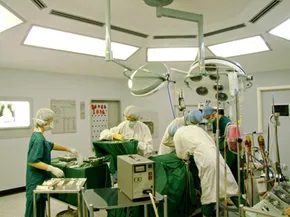
You can plan your life down to the minute. You can check the weather three times before leaving the house. You can buckle your seatbelt before the car even starts. And yet, you end up in an emergency room anyway. It happens. But the landscape of acute care has shifted dramatically in recent decades.
Hospitals are no longer the mandatory overnight stays they used to be. Thanks to advances in anesthesia, minimally invasive techniques, and better post-op monitoring, a growing number of treatments are now completed in hours, not days. You go in. You get fixed. You go home.
These are outpatient procedures, sometimes called ambulatory or same-day surgeries. They aren’t just a convenience. They represent a fundamental shift in how healthcare is delivered, and more importantly, how it’s paid for.
Why Choose Ambulatory Care?
The appeal isn’t just about avoiding a hospital gown and bad coffee. There are hard financial and physiological benefits to being discharged the same day.
The Cost Factor
Let’s talk about money. An inpatient stay triggers a cascade of charges. You pay for the room. You pay for the nursing shifts. You pay for meals. You pay for the extra supplies—wound dressings, linens, the TV remote you didn’t actually watch.
Remove the overnight stay, and those costs evaporate.
Outpatient procedures are significantly cheaper than their inpatient counterparts. You’re paying for the procedure and the immediate recovery time. You’re not paying for a bed that sits empty for 24 hours while you sleep. This distinction matters. It lowers your out-of-pocket expenses. It lowers insurance premiums over time. It keeps healthcare systems from becoming bankrupt trying to fund idle hospital beds.
Convenience and Access
Inpatient slots are scarce. They are the most expensive real estate in medicine. Hospitals prioritize them for the sickest patients.
Ambulatory centers are different. They are designed for efficiency. Because the procedures are shorter, they can be scheduled more frequently. You can often get an appointment weeks, sometimes days, before an inpatient surgery would be available. These services are spread across a wider geographic footprint too. You aren’t stuck going to the main campus. You might have a procedure done at a doctor’s office. Or a specialized clinic. Or a hospital’s outpatient wing.
The logistics are simpler. The decision tree is shorter.
Recovery Happens at Home
There is a growing body of evidence suggesting that recovering in your own bed is better for your body than recovering in a hospital room.
Hospitals are loud. They are sterile. They are full of other sick people. Your circadian rhythm gets wrecked by the night nurses. You don’t get the same quality sleep.
At home, you control the environment. You eat your own food. You sleep when you’re tired. Studies indicate that patients return to baseline health faster when surrounded by their own comfort items. Less stress. Less infection risk. Less disruption to your daily life. A faster return to wellness isn’t just a nice-to-have. It’s a clinical outcome.
The Scope of Same-Day Surgery
When people hear “surgery,” they think open-heart. Or knee replacement. Or something requiring a six-week rehab.
That’s not what we’re talking about here.
**Outpatient procedures
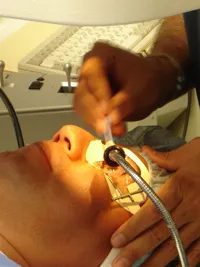
The word “outpatient” is a misnomer if you think it describes a specific type of treatment. It only defines the duration. You go in. You leave the same day. No overnight stay. Because of that simple logistical constraint, every medical specialty has figured out how to operate within that window.
But the system isn’t uniform. It breaks down into four distinct buckets based on where the patient sits in the treatment timeline.
The four pillars of outpatient care
Preventative care is the first layer. It’s not about fixing what’s broken; it’s about keeping things from breaking. This includes childbirth education, nutrition consultations, and counseling for chronic conditions. It’s maintenance.
Diagnostic procedures come next. If you need to know what’s wrong, you get an MRI, an X-ray, blood work, or sleep studies. You’re not being treated yet. You’re being mapped.
Treatment procedures are where the volume lives. This is the most utilized category. It ranges from the mundane—getting a cast for a broken arm—to complex interventions like cataract removal, hip replacements, rhinoplasty, and laser vision correction. Acupuncture and chiropractic care sit here too. The barrier to entry is lower, but the scope is vast.
Then there’s rehabilitation. This bridges the gap between the procedure and full recovery. It addresses both the physical and psychological fallout. Physical therapy restores mobility. But it also deals with the frustration of limitation. This bucket includes addiction therapy, anger management, and support for developmental disorders like autism. It’s holistic by necessity.
The shift toward same-day surgery
The data is moving fast. Hospitals now report that over 60 percent of all surgeries are performed on an outpatient basis. Experts projected this number would hit 75 percent by 2017. The trend hasn’t reversed; it’s accelerated.
Why? Technology.
Better anesthetics. Refined surgical instruments. These aren’t just incremental upgrades. They are structural changes to how medicine works.
Surgeons can now perform procedures that used to require days of postoperative observation in an inpatient ward. Patients go home the same day. The logic is cold but efficient:
- Less anesthetic means less sedation time.
- Less sedation means a shorter hospital stay.
- Minimized tissue damage means faster recovery.
When you shrink the trauma to the body, you shrink the time needed to heal. The hospital bed becomes a luxury, not a necessity.
This creates a trade-off. You save money on room and board. You avoid the risk of hospital-acquired infections. But you also bear the burden of recovery at home. There’s no nurse checking your vitals every four hours. You are responsible for your own monitoring.
The system is designed to pull you out of the facility as quickly as biologically possible. It works. But it requires a patient who is willing to manage the aftermath without institutional supervision.

The Reality of Outpatient Care
Insurance companies label more and more procedures as outpatient, but that classification is not a guarantee of safety or simplicity. Your doctor’s recommendation depends on specific variables, primarily your personal medical history and the invasiveness of the intended procedure. You cannot assume a procedure is low-risk just because you will go home the same day.
The trend is undeniable. Most modern surgeries require minimal post-operative care and boast low complication rates. This shift drives the move toward outpatient settings for efficiency and cost savings. Common examples now include breast implants, tummy tucks, pacemaker implantations, and tonsillectomies. These are not minor tweaks. They are significant interventions performed in ambulatory surgical centers rather than hospital wards.
Why the Shift Matters for You
Understanding how outpatient surgery works in the context of your insurance coverage is essential. While the facility is not a hospital, the stakes for your specific health profile remain high. If your medical history includes complications with anesthesia or bleeding, the “low risk” label of the procedure itself may not apply to you.
The distinction between inpatient and outpatient benefits often hinges on these exact factors. Insurance plans are designed to cover less intensive care with lower co-pays, pushing patients toward outpatient options where clinically appropriate. However, the definition of “appropriate” can vary based on the surgeon’s assessment of your anatomy and history.
Navigating the System
This evolution in surgical care reflects broader changes in healthcare economics and patient outcomes. As procedures become less invasive and recovery times shorten, the boundary between hospital care and outpatient service blurs. This requires patients to be more active in their care decisions.
You need to verify which specific procedures fall under your plan’s outpatient benefits. This involves looking beyond the general category and understanding the specific coding and medical necessity criteria your insurer uses. Resources like the Outpatient Surgery Magazine and guides from institutions like Cornell University’s Iris Cantor Women’s Health Center offer deeper insights into these classifications.
The landscape is changing rapidly. What was considered major surgery five years ago may now be a same-day procedure. This does not mean it is trivial. It means the setting is different, and the pre-operative preparation must be equally rigorous.
For those looking to understand the mechanics behind these services, resources such as How Inpatient & Outpatient Benefits Work provide clearer frameworks for navigating insurance policies. Similarly, How Liposuction Works offers a case study in how aesthetic procedures fit into the broader outpatient model, highlighting the intersection of cosmetic choice and medical classification.
The key takeaway is not that outpatient care is always better or cheaper for everyone. It is that it is more common. And with that commonness comes a need for precise understanding of your own health data and your insurance contract. The convenience of going home is real. The complexity of managing the transition from surgery to recovery is also real.
Where do you draw the line between convenience and safety? The answer lies in the details of your medical record and the specific guidelines your provider follows. There is no universal rule, only a set of variables that change with every patient.
If you are considering a procedure, look past the label. Look at the invasiveness. Look at your history. And check the links on the next page for deeper context on how these services are structured and funded.