



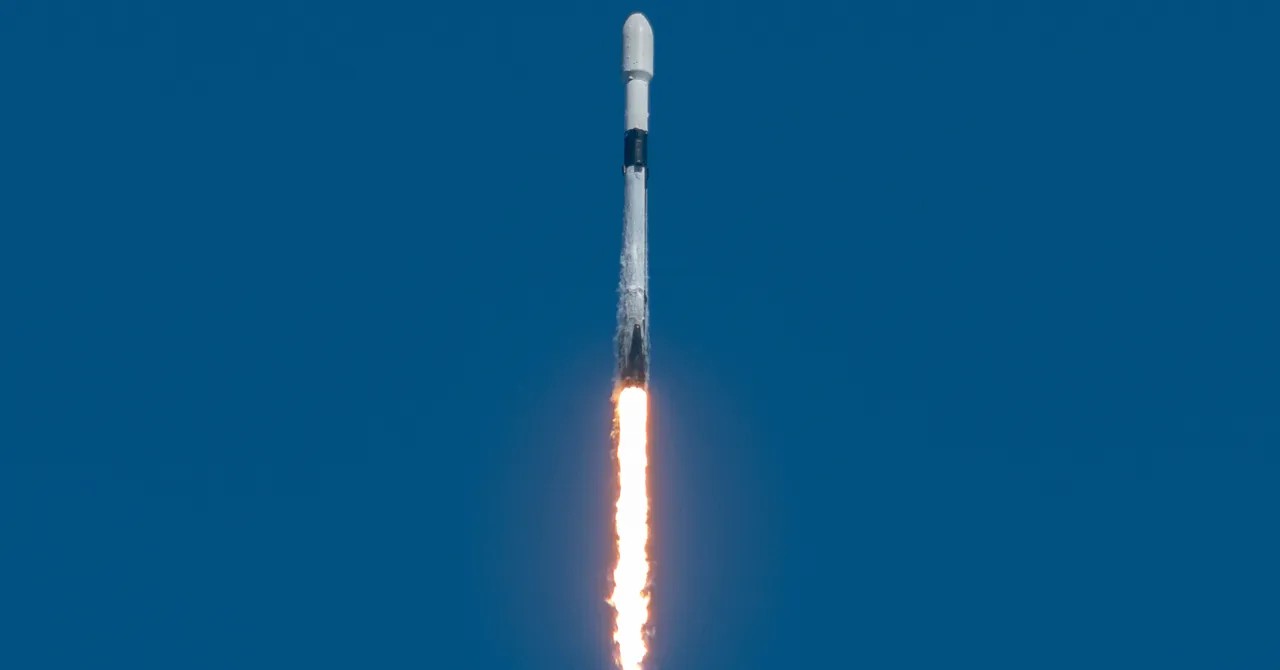
The upper stage of a SpaceX Falcon 9 rocket is going to hit the moon. It’s been drifting for 18 months, dead in the water, with no fuel to brake or return to Earth. Now it’s coming down fast.
Expected to strike around 6:34 a.m. UTC on Wednesday, this impact creates a debris cloud visible from Earth. The spectacle isn’t just fireworks. It’s a warning. A 4-metric ton metal object slamming into lunar regolith at 5,400 mph (7 times the speed of sound) generates a force comparable to 3 metric tons of TNT. That’s a crater up to 27 meters wide and 5 meters deep near Einstein Crater on the moon’s near side.
Why does this matter now? Because we’re about to clutter the moon with junk. And soon, people.
Tracking the Falcon 9 Trajectory
Bill Gray, who created the Project Pluto tracking software, first calculated the rocket’s doomed path. He also co-authored a preprint study detailing the collision physics. The study notes the crash offers a rare chance to test detection pipelines. Scientists want to measure flash properties to locate impacts seismically.
Who can see it? Viewers in the Americas have the best vantage point. Don’t look up with your naked eye. You won’t see the rocket. You might spot the debris plume if you have a good telescope. The event lasts only a few minutes.
This isn’t the first accidental lunar crash. In March 2022 a Chinese Long March 3C booster struck the moon, leaving a 29-meter crater. We are seeing a pattern here. Multiple nations plan uncrewed missions. The traffic is getting busier.
Why Moon Base Safety Is the Real Issue
The impact raises a stark question: How do we protect astronauts from space junk?
NASA’s Artemis program aims to launch facilities to build a sustainable presence on the lunar surface within the next decade. But building a research center is one thing. Protecting it from hypervelocity impacts is another. Benjamin Fernando, a researcher at Los Alarms National Laboratory, points out that these incidents will happen more often.
“As we have more astronauts on the lunar surface and more lunar infrastructure habitats, we need to understand how much risk these impact events actually pose,” Fernando told ABC News.
The hazards are two-fold. Direct hits from debris can blind sensors or damage structures. Indirect risks involve clouds of ejected material. That debris can linger in lunar orbit, interfering with spacecraft functions. Natural meteorite strikes add to the danger. The moon has no atmosphere to slow projectiles. Nothing gets slowed down until it hits something solid.
What This Means for Lunar Exploration
China and the US are both pushing to establish bases in the coming decades. The infrastructure required for these outposts will be fragile. A rock moving at 5,400 mph doesn’t care about your engineering specs.
Researchers argue that events like this Falcon 9 crash are ideal for studying hazard mitigation. We have time—perhaps a decade or more—before the first major habitats arrive. That window allows scientists to analyze debris patterns. It lets them plan defenses against the growing clutter around Earth and the moon.
If we don’t track the junk, we might soon be dodging it in person. The rocket crashes on Wednesday. The debris stays for a long time. The conversation about lunar safety is just starting.