



Luxury sedans look expensive in the showroom. The tag usually hurts more at the repair shop. You might snag a deal on the purchase price. Then comes the maintenance. The bills. Over five years, those initial savings vanish into thin air.
A recent analysis by Bumper pulls back the curtain on this reality. It tracks average ownership costs across major automakers. The data covers five years of routine upkeep and repairs. The gap between reliable commuters and premium badges is staggering.
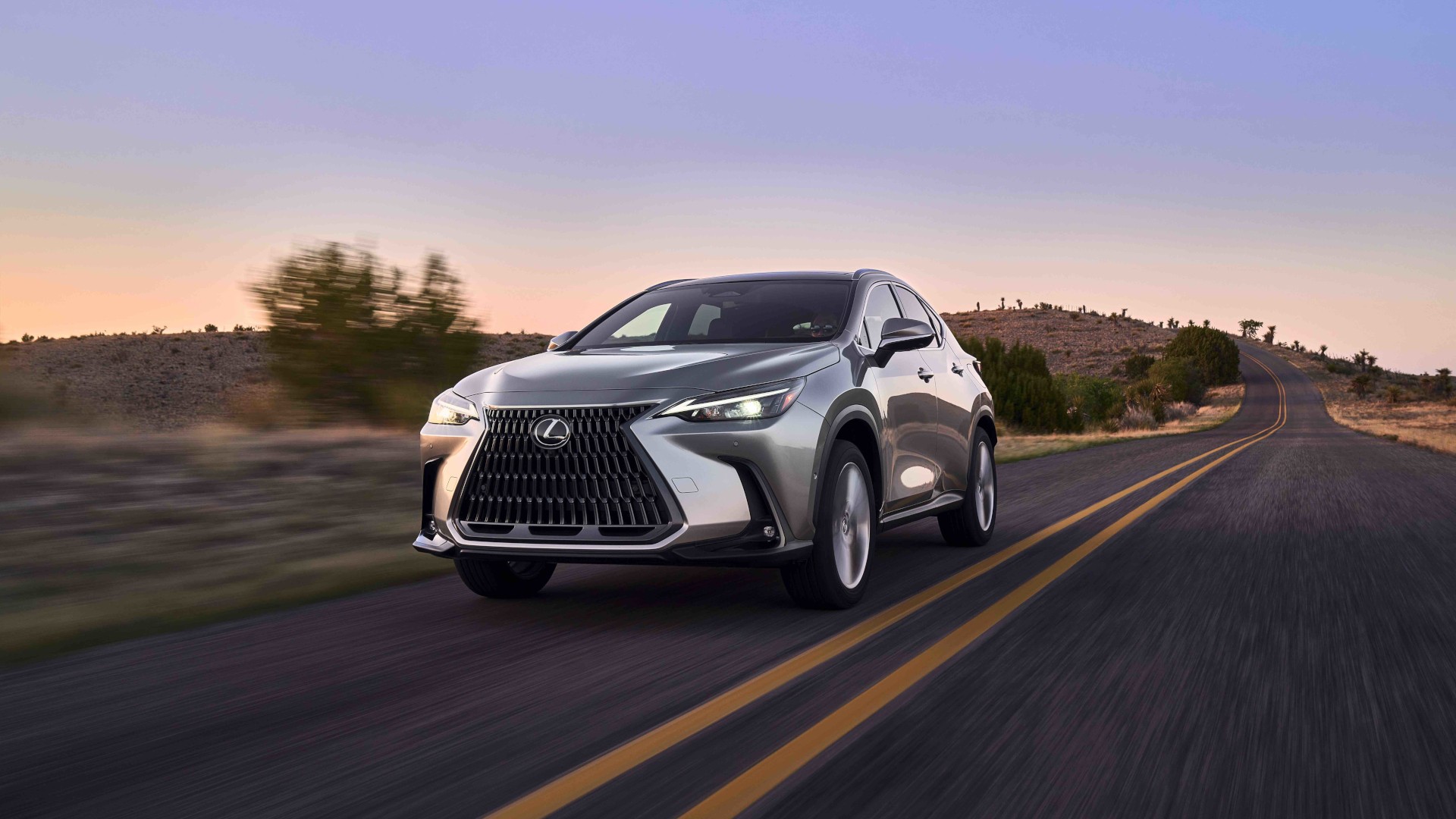
Lexus owners pay nearly double what Honda or Nissan drivers do.
That is a massive difference. It changes how you view that leather interior. You aren’t just paying for style. You are funding a specific kind of financial bleed.
How Much Do Luxury Brands Really Cost?
People love the prestige. The badge. The smooth ride. But which cars cost the most to maintain over a long haul? The Bumper data provides a clear answer for the top tier. Lexus sits at the top of this specific pain index.
It isn’t just one outlier. Several brands cluster here. High build quality often means specialized parts. Specialized parts mean higher labor rates. The math is brutal if you ignore the total cost of ownership. You buy the car once. You fix it constantly.
This matters for your budget. It shifts the value proposition of premium vehicles. Are the features worth the ongoing hit to your wallet? The numbers suggest you should look twice. Or three times. Before you sign the paperwork.
Where Do the Most Reliable Brands Rank?
Flip the coin. Look at the bottom of the cost list. Honda and Nissan lead the charge for affordability. Their five-year costs are remarkably low compared to the luxury sector. This isn’t about compromising on quality. It is about engineering for mass production and ease of repair.
These brands prioritize accessibility. Parts are everywhere. Mechanics know the platforms inside out. Competition among shops drives labor rates down. This ecosystem creates value that extends well beyond the dealership floor.
Which cars cost the least to keep running? These domestic and Asian mass-market leaders dominate the low-end charts. They offer a safety net against financial surprise.
Why Do Ownership Vary So Much?
It comes down to parts availability. Labor specialization. Design complexity. A vehicle with complex electronics or proprietary components creates dependency on the manufacturer. Dependency raises prices. Simple mechanical systems remain cheap to fix. Even when they break.
Bumper’s methodology aggregates this data across 11 major brands. The ranking strips away marketing fl