


The headlines are stacking up. It’s a lot.
Google is pushing hard into a weird, overlapping future where your laptop is an Android device, your glasses are smart enough to judge you, and your search bar is becoming a butler.
It feels chaotic. Good.
The Googlebook arrives (and it’s not a Chromebook)
Googlebook is the name. It’s Google’s new AI-powered laptop platform. Built on Android.
It won’t kill Chromebooks. Probably.
The idea is simple. An Android-centered OS that pretends to be desktop-grade. There’s the Magic Pointer for AI interactions. A promise that apps will work like they do on Windows or Mac. It sounds ambitious. It sounds slightly terrified.
Android 17 wants your attention (and your data)
Coming this summer.
Android 17 drops with a heavy dose of Gemini Intelligence. You can generate custom widgets now. You can ask Gemini to finish that half-abandoned hotel booking in Chrome.
It’s convenience. It’s surveillance. It’s probably both.
Why not just do the booking yourself?
Smart glasses with a hidden toll booth
Here’s the trap.
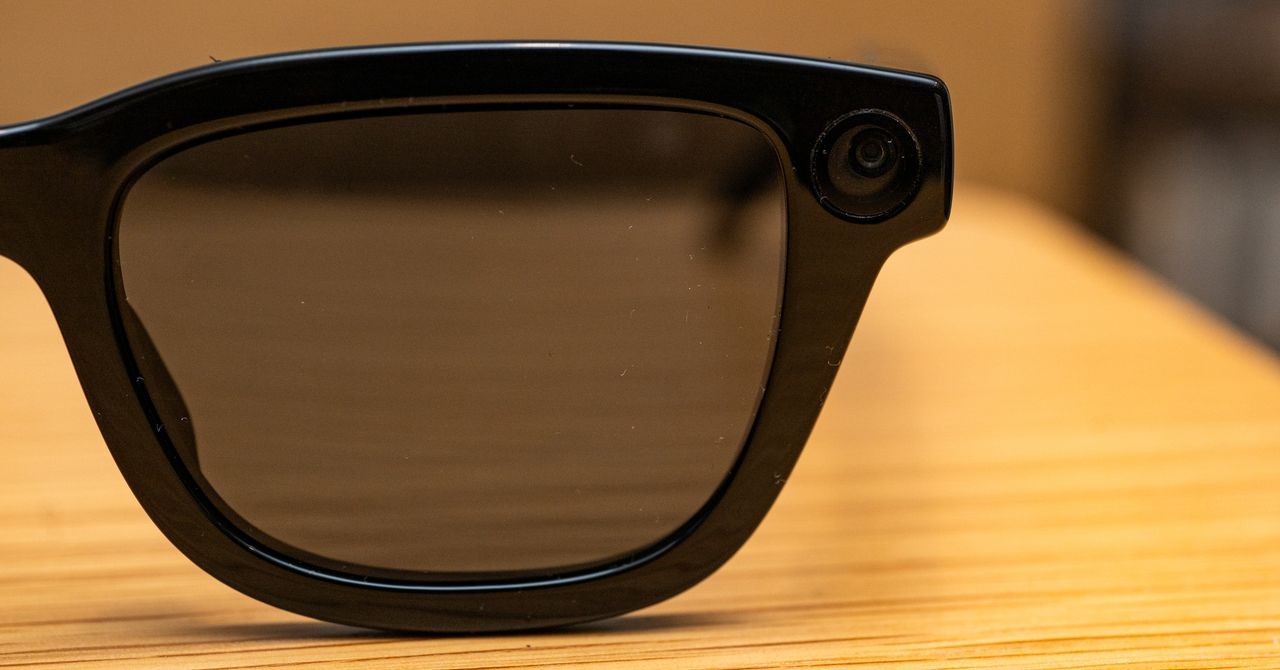
Ex-OnePlus engineers built L’Atitude 52 glasses. Funded by Kickstarter. They have AI features. Cool, right?
The AI subscription is free for one year. After that? No price list.
The company doesn’t know how much they’ll charge you to keep the glasses smart. You’re buying hardware tied to a service with an unknown price tag. That’s a brave business model. Or a reckless one.
Meanwhile, Google’s own Android XR glasses are coming this fall. We’ll see if they solve the subscription mystery.
Face ID that vanishes
Metalenz made the camera disappear.
Their Polar ID technology lets your face unlock your phone even if the lens is buried under the display. No more notches. No more punch-holes.
The tech is solid. The result? A cleaner screen. A slightly more invasive feeling, knowing your face is always being scanned.
Stop unlocking your phone
We do it compulsively.
Unlock the screen for the weather. See a notification. Scroll for an hour.
Use the Always-On Display.
Set your lock screen to show what you need at a glance. Calendar. Battery. The next meeting. Don’t enter the OS. Stay at the perimeter. It helps. A little.
The ecosystem trap
You’re probably choosing between Alexa, Siri, and Google Home.
Stop thinking. Look at what’s plugged in.
The winner is usually the thing you already own. The switch isn’t worth the friction. You want your lights to turn on when you walk in. Not when you reconfigure your life around a new hub.
Focus is expensive (in terms of time)
Three timer apps will help.
They do the same thing. Count down. Block distractions.
Distractions are easy. Focus requires effort. Pick one. Stick with it. The rest is noise.
Zoom calls look better (and more expensive)
I tested them. All the big webcams.
From budget bins to professional tiers. The difference isn’t always night and day. But the best ones make you look like a bushy-tailed professional instead of a tired ghost in the background of a blurry square.
Worth it if your job is your face on a screen.
Motorola raises the price on flipping phones
Bad news for fold fans.
The new Motorola Razr lineup commands higher prices. Three models. All cost more.
Upgrades? Minimal.
Price hikes? Maximum.
It’s a trend. You’ll pay more for a form factor that’s already settled. Maybe that’s okay. If you really want the flip, you pay for it. If you don’t? You buy last year’s phone. It still folds.
The world is changing.
The tools are getting smarter.
The costs are rising.
We just keep adapting. Or we don’t.
Who’s ready?